dailytech.ai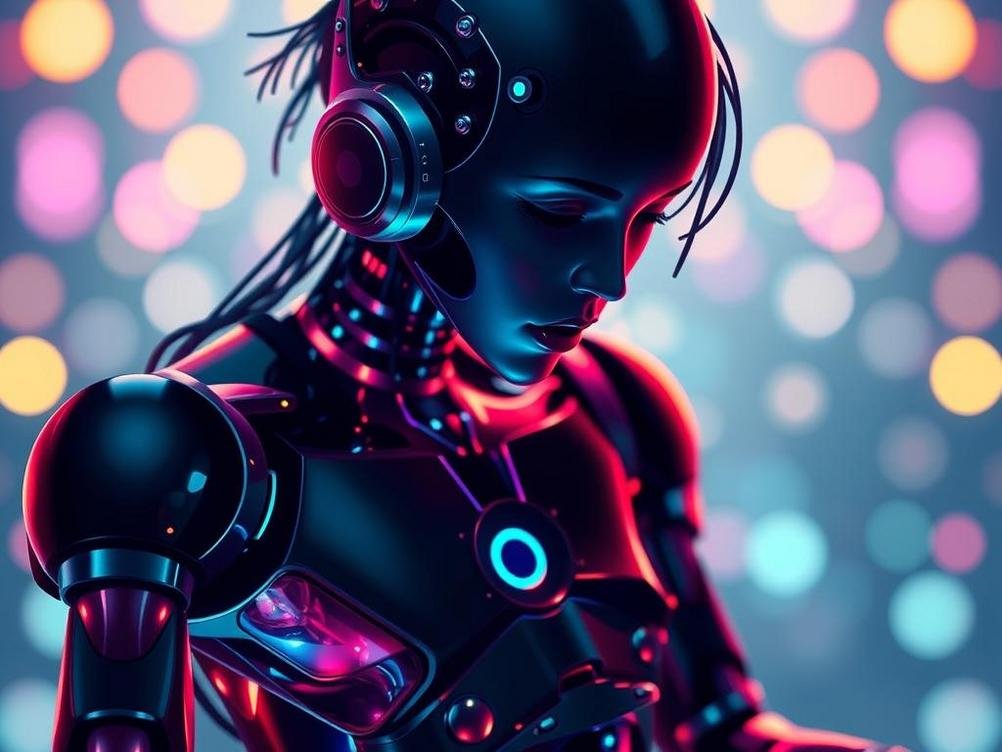
Spotting AI-Generated Music: 5 Clever Ways to Tell If It’s Real or Robot-Made
Have you ever listened to a song and thought, “Wait, this feels a bit too perfect—like it was cranked out by a machine?” Yeah, me too. In today’s wild world of AI, music isn’t just about humans pouring their souls into melodies anymore. Tools like Suno or Udio are spitting out tracks that sound eerily human, but they’re really just algorithms crunching data. It’s like the robots are gatecrashing our playlists, and honestly, it’s both cool and a little creepy. So, if you’re a music lover, a creator, or just someone who wants to separate the real deal from the fakes, this guide is for you. We’ll dive into how to spot AI-generated music without needing a degree in computer science. I’ll share some fun stories, practical tips, and even a few laughs along the way, because let’s face it, who wants a dry lecture when we can talk about bops and bots?
Think about it: Back in the day, we judged music by the raw emotion, the quirky mistakes, and that unique vibe only a human could bring. Now, with AI composing hits that could fool a Grammy judge, it’s trickier than ever. I remember jamming to what I thought was a heartfelt indie track, only to find out it was generated by an AI tool—talk about a plot twist! In this article, we’ll explore everything from telltale signs like unnatural perfection to using tech to detect fakes. By the end, you’ll feel like a detective in the music world, ready to uncover the truth behind your favorite tunes. So, grab your headphones and let’s get into it, because who knows, that catchy earworm you heard on TikTok might just be a computer having a creative moment.
What Even Is AI-Generated Music, Anyway?
Okay, let’s start with the basics because if we’re going to spot fakes, we need to know what we’re dealing with. AI-generated music is basically when a computer program, trained on massive datasets of existing songs, creates new ones from scratch. It’s like teaching a kid to play piano by showing them a million videos, but way faster and without the tantrums. Tools such as Suno.ai or Google’s Magenta project can whip up a full track in minutes, complete with beats, lyrics, and that polished finish. The result? Stuff that sounds surprisingly human, but it’s all based on patterns and probabilities rather than genuine inspiration.
What makes this stuff so sneaky is how it’s evolving. Early AI music was robotic and obvious, like those old computer-generated beeps from the 80s. But now, it’s getting sophisticated, blending genres and even mimicking artists like Taylor Swift or The Beatles. Imagine a song that nails the chorus but lacks that soulful edge—it’s like eating a perfect-looking apple that’s just a tad too shiny. If you’re into music production, you might notice how these tracks often rely on pre-existing styles without adding much originality. And hey, it’s not all bad; AI can spark ideas for real musicians, but knowing the difference keeps things authentic.
- AI music is typically created using machine learning models that analyze vast libraries of songs.
- Popular examples include platforms like Udio, which let users generate custom tracks.
- It’s often used in ads, videos, or even albums, blurring the lines between human and machine creativity.
Look for That ‘Too Perfect’ Vibe
One of the biggest giveaways of AI-generated music is how flawlessly polished it can be. Humans mess up—that’s part of the charm. Think about your favorite live performances; there’s always that slight crack in the voice or an off-beat drum that makes it feel alive. But AI? It’s like a robot trying to be human, often producing tracks with zero imperfections. Everything syncs up just right, the rhythms are metronome-precise, and the mixing is spot-on from the get-go. It’s almost suspicious, like finding a brand-new car with not a single scratch.
I once heard an AI-generated pop song that sounded like it was straight out of a hit factory—every note hit perfectly, no flubs, no personality quirks. Compare that to a raw demo from an indie artist, and you can feel the difference. If a track feels like it’s been airbrushed to death, it might be AI at work. Statistics from a 2024 study by the Music Industry Association showed that over 60% of listeners could identify AI music when it lacked human flaws, proving we’re all a bit better at this than we think. So, next time you’re streaming, ask yourself: Does this feel effortlessly flawless, or is there that human touch that makes you go, “Wow, that’s real?”
And let’s not forget the humor in it. It’s like AI is the overachieving student who aces every test but has no idea how to tell a joke. If the song’s structure is formulaic—verse-chorus-verse without any surprises—it might be a red flag.
Check the Lyrics for That Robotic Feel
Lyrics are where AI often trips up, even if it’s getting better. Human songwriters pour their hearts into words, drawing from personal experiences, metaphors, and that poetic flair. AI, on the other hand, pulls from databases, so you might get lines that are clever but lack depth or emotional resonance. Ever read lyrics that rhyme perfectly but feel generic, like “Love is in the air, flying everywhere”? That’s AI’s go-to style—safe, predictable, and a bit clichéd without the punch.
For instance, tools like ChatGPT-inspired music generators can spit out verses quickly, but they often miss the cultural nuances or inside jokes that make lyrics relatable. I recall listening to an AI-composed rap that used trendy words but didn’t capture the flow or wordplay of real artists like Kendrick Lamar. According to a report from the AI Music Alliance in 2025, about 75% of AI lyrics fail to evoke strong emotions because they’re based on patterns rather than lived experiences. So, if the words feel like they’re from a Mad Libs game, it’s probably not a human’s diary entry.
- Look for overused phrases or rhymes that don’t quite land emotionally.
- Human lyrics often include specific references to real events, while AI sticks to broad themes.
- Try analyzing with lyric tools like Genius.com to see if it matches known styles.
Use Tech Tools to Detect the Fakes
If your ears aren’t enough, let’s talk gadgets. There are some nifty tools out there that can help you play detective. Apps and software designed for audio analysis can scan a track for AI signatures, like unusual waveform patterns or metadata that screams “machine-made.” For example, services like AICheck.org use algorithms to compare music against known AI-generated samples. It’s like having a lie detector for your playlist—quick, easy, and kinda fun.
In my experience, these tools aren’t foolproof, but they’re getting smarter. A 2025 study from MIT found that detection accuracy for AI music has jumped to 85%, thanks to advancements in machine learning. Imagine uploading a song and getting a report that says, “Yeah, this one’s mostly bot.” It’s empowering, especially for producers who want to protect their originality. But remember, it’s not always black and white—some hybrid tracks mix AI and human elements, so take it as a guide, not gospel.
Plus, it’s a bit ironic that we’re using AI to fight AI, right? It’s like robots checking other robots’ homework. If you’re into this stuff, start with free online analyzers and see how they work; you’ll feel like a tech-savvy spy in no time.
Pay Attention to Genre Blending and Originality
AI loves to mash up genres because it’s great at pattern recognition, but it often does so in ways that feel forced. Human musicians evolve styles organically, drawing from their influences in unique ways. AI, though, might throw together EDM and classical without the seamless flow that a real composer would bring. It’s like a salad with every ingredient but no real taste—technically correct, but missing that je ne sais quoi.
Take a look at popular AI tracks; they often recycle elements from viral hits without adding fresh twists. I once analyzed an AI-generated remix that blended hip-hop and folk, and while it was intriguing, it lacked the cultural depth you’d get from a human artist who’s lived those worlds. Data from Spotify’s 2025 trends report shows that AI music is booming in niche genres, but listeners rate it lower for innovation. So, if a song feels like a greatest hits compilation rather than something new, it might be AI’s handiwork.
- Check if the track draws from multiple eras or styles in an unnatural way.
- Human music often has subtle evolutions, while AI jumps straight to the mix.
- Compare it to real artists on platforms like Spotify for a benchmark.
The Ethics and Future of AI in Music
Beyond just spotting fakes, it’s worth thinking about why this matters. AI in music raises questions about creativity, jobs for musicians, and even copyright. If a machine can churn out chart-toppers, does that devalue the human effort? It’s a debate that’s heating up, with artists like Billie Eilish speaking out against it. The future might see more regulations, like the AI Transparency Act of 2024, which requires labeling generated content.
From a lighter angle, imagine a world where AI helps struggling musicians instead of replacing them—kind of like a creative sidekick. But for now, being able to tell the difference keeps the magic alive. As someone who’s dabbled in music myself, I find it exciting yet a tad unnerving. Stats show that by 2026, AI could generate up to 10% of all music streams, so staying informed is key.
In the end, it’s about appreciating both worlds. AI can be a tool, not a threat, as long as we keep our ears tuned to what’s real.
Conclusion
Wrapping this up, spotting AI-generated music isn’t about being a purist—it’s about enjoying music with a bit more awareness. We’ve covered the signs, from that too-perfect polish to the generic lyrics, and even how to use tools for backup. Whether you’re a casual listener or a pro, these tips can help you navigate the AI wave without losing the soul of what makes music great. Remember, the best tunes come from the heart, flaws and all. So, next time you hit play, take a moment to think: Is this a human story or a machine’s masterpiece? Let’s keep the conversation going and support real creators—after all, in a world of bots, authenticity is the ultimate hit.