dailytech.ai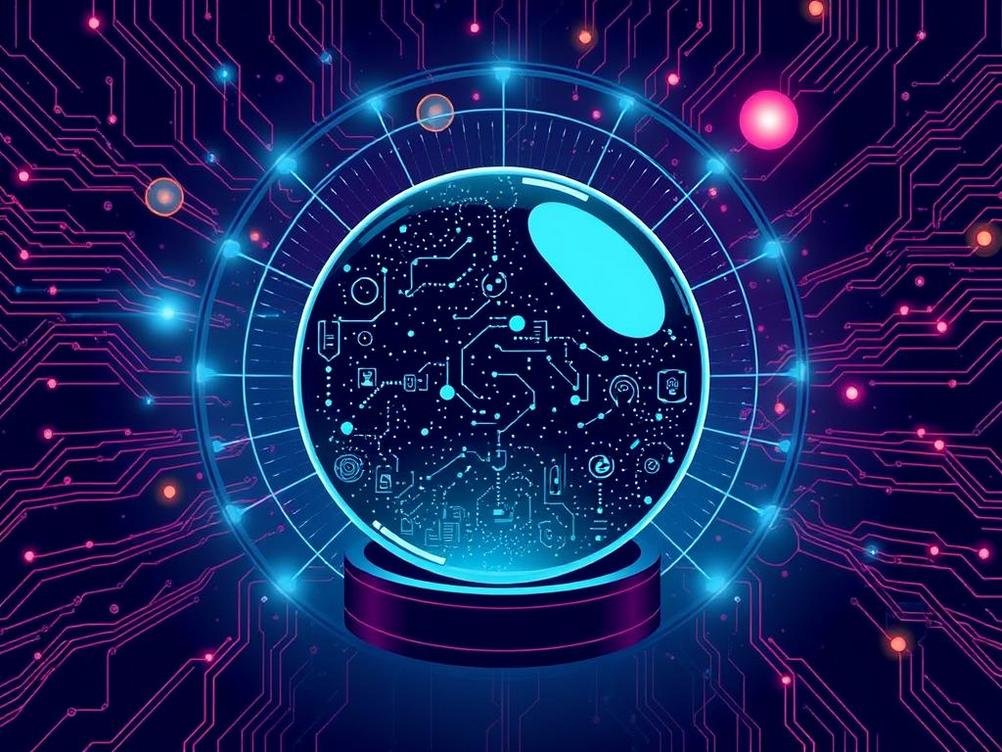
Stanford’s AI Crystal Ball: Bold Predictions for 2026 and What It Means for You
Have you ever stopped to think about how fast AI is hurtling forward? I mean, just a few years ago, we were all wowed by smart assistants like Siri or Alexa, and now we’re talking about machines that could practically run our lives. Picture this: it’s 2025, and I’m sitting here writing about what Stanford’s top AI minds are saying will happen in 2026. It’s like peering into a crystal ball, but instead of a mystical orb, it’s backed by data, research, and a whole lot of brainpower from one of the world’s leading universities. These experts aren’t just throwing darts at a board; they’re dissecting trends, crunching numbers, and imagining a future where AI isn’t just a tool but a game-changer in every corner of our world. From healthcare breakthroughs to everyday tech upgrades, their predictions are both exciting and a little scary—like that time you tried a new app and it knew way too much about your coffee habits. In this article, we’ll dive into what these pros are forecasting, why it matters to you and me, and how we can prepare for a world that’s about to get a lot smarter. Trust me, if you’re into tech, innovation, or just curious about what’s next, buckle up because 2026 sounds wild.
The AI Revolution in Daily Life: How We’ll All Be Living Smarter
You know, it’s funny how AI has snuck into our routines without us even noticing. Stanford’s experts predict that by 2026, it’ll be everywhere—from your fridge suggesting recipes based on what’s inside to your car driving itself while you catch up on podcasts. Imagine waking up to an AI assistant that not only brews your coffee but also plans your day around traffic patterns and your energy levels. That’s not sci-fi; it’s their take on the near future. They point to rapid advancements in machine learning, like the ones we’ve seen with tools from Google or OpenAI, which could make our homes, offices, and even cities feel like they’re alive and thinking for us.
But let’s break this down a bit. One key prediction is that AI will become super personalized, almost like having a digital twin. For instance, if you’re into fitness, your smartwatch might not just track steps but predict when you’re about to get sick and suggest tweaks to your routine. According to a report from Stanford’s AI lab (hai.stanford.edu), we’re looking at a 30% increase in AI adoption in smart devices by 2026. That’s huge! To make it relatable, think of it like your favorite barista who knows your order before you say a word—except now it’s a machine that’s always one step ahead. Here’s a quick list of how this might play out:
- Your home security system could learn your habits and alert you to unusual patterns, saving you from potential headaches.
- AI-powered apps might handle your shopping, finding the best deals without you lifting a finger.
- Even social interactions could get a boost, with AI suggesting friends or events based on your interests—though, let’s hope it doesn’t turn us into hermits glued to screens.
Of course, it’s not all sunshine and rainbows. There are risks, like privacy slips, but if we play our cards right, this could make life way more efficient and fun. Who wouldn’t want that?
Breakthroughs in AI Tech: What’s Cooking in the Labs
Okay, let’s geek out for a minute. Stanford’s AI whizzes are buzzing about some serious tech leaps by 2026, and it’s enough to make your head spin. They’re talking quantum computing integration with AI, which could solve problems in seconds that take today’s computers years. It’s like upgrading from a bicycle to a spaceship overnight. For example, they predict AI will crack complex issues in climate modeling or drug discovery, potentially leading to new vaccines faster than ever. I’ve read reports suggesting that by then, AI models could be processing data at speeds we can’t even fathom right now.
One cool angle is how this ties into real-world stuff. Take self-driving cars; experts from Stanford think we’ll see them become standard, cutting accidents by up to 90% according to some studies (nhtsa.gov). That’s not just hype—it’s based on current trials and scaling projections. And it’s not only about cars; AI in robotics could mean robots helping with household chores or even assisting in surgeries. Imagine a robot surgeon that’s steadier than the best human doc—wild, right? To keep it light, let’s list a few potential breakthroughs:
- Enhanced natural language processing, making chatbots indistinguishable from real conversations.
- AI-driven energy solutions that optimize renewable sources, like solar panels that adjust in real-time to weather changes.
- Advanced VR experiences where AI creates personalized worlds, blending education and entertainment seamlessly.
These predictions aren’t set in stone, but they’re grounded in ongoing research. It’s exciting to think about, even if it means I might have to learn new skills just to keep up.
Ethical Dilemmas: When AI Gets Too Smart
Alright, let’s get real for a second—AI’s rise isn’t all fun and games. Stanford experts are raising red flags about ethics, warning that by 2026, we could face some tricky situations if we’re not careful. Things like bias in AI algorithms could worsen, affecting everything from job hiring to loan approvals. It’s like that friend who always picks favorites; only this time, it’s a machine making decisions that impact lives. They suggest we’ll need stricter regulations to ensure AI doesn’t discriminate, drawing from past mishaps with facial recognition tech.
Here’s where it gets personal: What if AI starts influencing elections or social media in ways we can’t detect? Studies from Stanford indicate that misinformation could spread even faster, with AI-generated content blurring the lines between fact and fiction. To tackle this, they’re advocating for global standards, kind of like international treaties for AI. And for a bit of humor, imagine AI trying to run for office—would it promise to fix everything and then glitch out? Anyway, key ethical points include:
- Ensuring transparency so we know when AI is making calls behind the scenes.
- Protecting data privacy to prevent big tech from knowing your deepest secrets.
- Promoting diversity in AI development so it’s not just a boys’ club of ideas.
At the end of the day, it’s about balancing innovation with responsibility, or as I like to say, not letting the robots take over before we’ve had our coffee.
AI’s Impact on Health and Education: Changing the Game for Good
Now, let’s talk about where AI could really shine—health and education. Stanford’s predictions for 2026 paint a picture of AI as a superhero in these fields. In healthcare, we’re looking at AI diagnostics that spot diseases early, like cancer, using tools similar to those from IBM’s Watson. It’s mind-blowing; think of it as a doctor that’s always on call and never tired. Experts estimate this could save thousands of lives by making healthcare more accessible, especially in remote areas.
In education, AI tutors could personalize learning, adapting to each student’s style faster than a human teacher. For instance, if you’re struggling with math, it might break it down with fun analogies or games. A Stanford study (ed.stanford.ai) suggests this could boost graduation rates by 20%. But it’s not perfect; we might lose the human touch in classrooms. Here’s how it might unfold:
- AI apps providing real-time feedback on essays or assignments.
- Virtual reality simulations for medical training, making it safer and more effective.
- Adaptive learning platforms that track progress and suggest improvements, like a personal coach in your pocket.
It’s a double-edged sword, but if we harness it right, AI could make learning and healing more equitable for everyone.
The Job Market Flip: Will AI Steal Your Seat?
Here’s a topic that keeps me up at night: jobs. Stanford’s AI experts predict that by 2026, automation will reshape the workforce, potentially displacing millions but also creating new opportunities. It’s like a game of musical chairs, but with AI pulling the strings. They forecast that roles in manufacturing and data entry could dwindle, while fields like AI ethics and development boom. A report from the World Economic Forum echoes this, estimating up to 85 million jobs could shift by then.
So, what’s the silver lining? With the right training, people can pivot to AI-augmented jobs, like programmers who work alongside intelligent systems. Think of it as teaming up with a super-smart colleague who handles the boring stuff. To prepare, consider skills in coding or digital literacy. Quick tips include:
- Learning platforms like Coursera (coursera.org) for AI courses.
- Networking with tech communities to stay ahead of trends.
- Exploring freelance gigs that blend human creativity with AI tools.
It’s scary, but also a chance to reinvent ourselves—after all, humans are pretty adaptable creatures.
Fun and Out-there Predictions: AI’s Wild Side
Let’s end on a lighter note because not all of Stanford’s predictions are serious. They throw in some quirky ones, like AI composing hit songs or creating viral memes that actually make sense. Imagine an AI DJ that knows your music taste better than you do, or robots competing in the Olympics—okay, maybe that’s a stretch, but who knows? By 2026, we might see AI in entertainment taking center stage, with personalized movies or games that evolve as you play.
What’s really amusing is the idea of AI humor; could it tell jokes that land? Probably not as well as a stand-up comic, but it’s fun to ponder. For example, tools like DALL-E from OpenAI (openai.com/dall-e) are already generating art, and experts think this will explode. Here are a few silly predictions:
- AI-generated stand-up routines that go viral on TikTok.
- Virtual pets that learn your emotions and react accordingly—finally, a dog that doesn’t chew your shoes!
- AI influencers on social media, promoting products with eerily perfect timing.
It’s all about embracing the weirdness while keeping it in check.
Conclusion: Embracing the AI Future with Open Eyes
As we wrap this up, it’s clear that Stanford’s predictions for 2026 paint a vibrant, complex picture of AI’s role in our world. From revolutionizing daily life to sparking ethical debates, it’s a reminder that we’re on the cusp of something massive. We’ve explored how AI could make things easier, fairer, and even funnier, but also how it might challenge us in ways we haven’t fully prepared for. The key takeaway? Stay curious, keep learning, and don’t let the tech outpace your understanding.
In the end, it’s not about fearing the machines; it’s about partnering with them. So, as we head into 2026, let’s approach it with a mix of excitement and caution—who knows, maybe I’ll be writing about AI’s next big thing, sipping coffee made by my smart kitchen. What are your thoughts on all this? Dive in, get involved, and let’s shape this future together. After all, in a world of AI, the human touch might just be what makes it all worthwhile.