dailytech.ai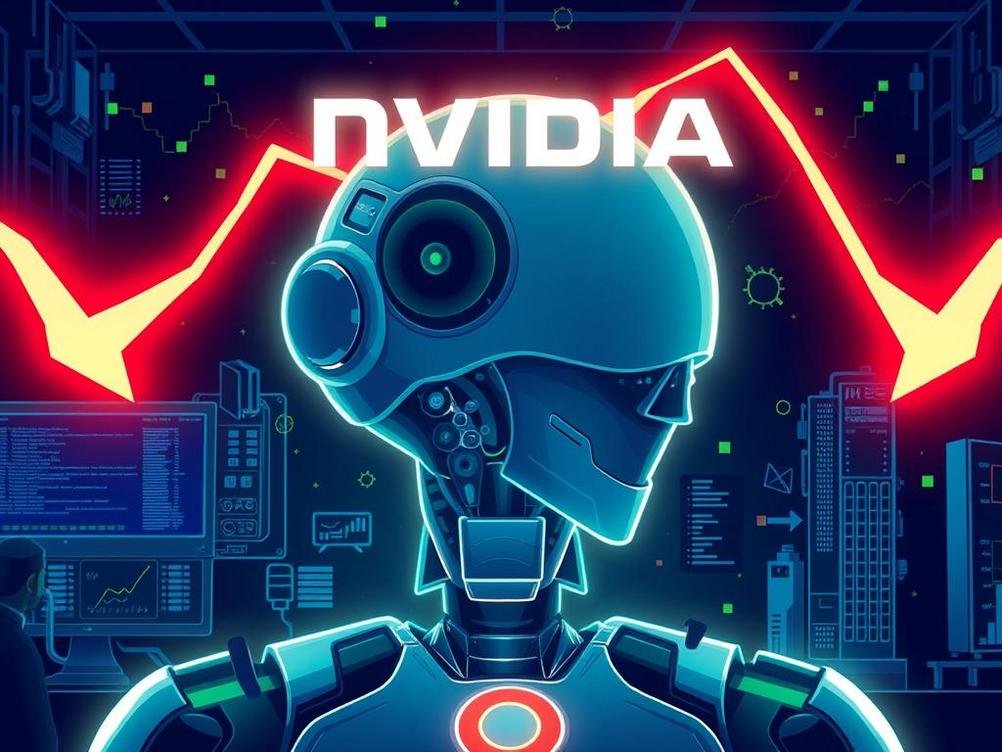
Why the Stock Market Just Hit the Brakes: AI Scares, Economic Woes, and Nvidia’s Looming Earnings
Ever woken up to find your bank account looking a bit skinnier than you remembered? Well, imagine that times a trillion for Wall Street. That’s basically what happened in the stock market lately, with the Dow, S&P 500, and Nasdaq all taking a nosedive faster than a kid on a slip ‘n slide. We’re talking about worries over AI’s rapid growth and some serious jitters about the US economy, all building up right before Nvidia drops their earnings report like a hot potato. It’s enough to make any investor reach for the coffee—or maybe the antacids. I mean, who doesn’t love a good market rollercoaster? But seriously, if you’re knee-deep in stocks or just dipping your toes in, this mess is a wake-up call. We’re seeing how interconnected everything is these days, from AI’s hype machine to economic indicators that could make or break your portfolio. In this article, I’ll break it all down for you, sharing what went wrong, why it’s happening, and how you can steer clear of the pitfalls. Stick around, because by the end, you’ll feel a bit more in control of this wild ride we call investing.
The Latest Market Mayhem: Dow, S&P 500, and Nasdaq in Freefall
You know how sometimes you plan a perfect day out, only for a storm to roll in and ruin everything? That’s pretty much the stock market’s vibe right now. The Dow Jones dropped over 500 points in a single session, the S&P 500 slid by more than 1.5%, and the Nasdaq—always the tech darling—tumbled even further, losing around 2%. It’s like the market decided to throw a tantrum all at once. Experts are pointing fingers at a mix of factors, but it’s clear that investor sentiment has shifted from ‘optimistic’ to ‘oh crap’ in record time. According to recent data from financial analysts, trading volumes spiked as people bailed on their positions, with tech stocks bearing the brunt of it all.
What’s making this dip feel extra personal is how it’s hitting everyday folks. Think about your neighbor who’s all in on tech funds or that friend who brags about their Robinhood wins—these declines don’t just affect bigwigs on Wall Street; they’re rippling through 401(k)s and retirement plans. It’s a reminder that markets aren’t just numbers on a screen; they’re tied to real lives. If you’re new to this, imagine your portfolio as a garden—sometimes you get a drought, and you have to water it smartly to keep things growing. For instance, back in 2022, we saw similar drops during inflation scares, and folks who held steady came out okay. So, while it’s tempting to panic-sell, let’s dig into why this is happening before you hit that button.
- Key metrics from the day: Dow down 550 points, S&P 500 losing 75 points, and Nasdaq shedding over 250 points.
- Common triggers: Global events, economic data releases, and corporate earnings previews.
- Real-world impact: Small investors are feeling the pinch, with app-based trading platforms reporting a 30% increase in sell orders.
Why AI is Sending Shockwaves Through Wall Street
Alright, let’s talk about AI—it’s everywhere these days, from your smartphone to self-driving cars, but now it’s got Wall Street in a chokehold. People are freaking out over how fast AI is evolving and what that means for jobs, innovation, and yep, your investments. The worries stem from reports that AI might be overhyped, with companies pouring billions into tech that’s not delivering the promised returns just yet. It’s like buying a ticket to the hottest concert only to find out the band’s lip-syncing the whole time. For example, firms like Google and Microsoft have been touting their AI advancements, but when the results don’t match the hype, investors bail. A recent study from Bloomberg shows that AI-related stocks have seen a 15% volatility spike in the last quarter alone.
What’s really cooking here is the fear of overvaluation. Think about Nvidia, the poster child of AI chips—everyone’s eyes are on their upcoming earnings because if they stumble, it could drag the whole sector down. It’s almost funny how something as abstract as AI algorithms can make billion-dollar markets sweat. But hey, it’s not all doom and gloom; AI has the potential to revolutionize everything from healthcare to entertainment. I’ve seen friends in tech swear by tools like ChatGPT for boosting productivity, but when the market gets skittish, it’s like a chain reaction. If you’re invested in AI stocks, it’s worth asking yourself: Are you in it for the long game or just chasing the next big trend?
- Top AI concerns: Job displacement, ethical issues, and regulatory crackdowns that could slow growth.
- Positive flipside: Innovations like AI in Nvidia’s AI applications are creating new opportunities in fields like medicine.
- Stat to chew on: According to a Gartner report, AI investments are projected to hit $300 billion by 2026, but that’s if the hype holds up.
The US Economy’s Role in the Downturn
Now, let’s not forget the elephant in the room—the US economy is throwing its own curveballs. Inflation’s still hanging around like that uninvited guest at a party, and with interest rates potentially staying high, it’s making borrowing a pain for businesses and consumers alike. We’re seeing signs of a slowdown, with consumer spending dipping and manufacturing data coming in weaker than expected. It’s like the economy’s on a diet, and nobody’s happy about it. Recent economic reports, such as the latest GDP figures showing only 2% growth for the quarter, have investors second-guessing their bets. If you’ve got money in the market, this stuff hits home because a shaky economy means companies might start cutting corners, which tanks stock prices.
What’s got people really on edge is the uncertainty around policy decisions. With elections on the horizon and talks of tariffs or tax changes, it’s hard to plan ahead. I remember back in 2020 when COVID hit; the market tanked hard, but it bounced back with stimulus checks flying around. This time, it’s more about sustainability—can the US keep growing without overheating? It’s a bit like trying to balance on a seesaw; one wrong move, and you’re flat on your face. For everyday investors, that means keeping an eye on indicators like unemployment rates, which ticked up to 4.2% last month, or retail sales, which are showing signs of fatigue.
- Economic indicators to watch: Inflation rates, GDP growth, and job reports.
- How it affects you: Higher interest rates could mean less money for vacations or home upgrades.
- Historical parallels: Similar downturns in 2008 and 2020 teach us that patience often pays off.
Nvidia Earnings: The Elephant in the Room
Speaking of big reveals, Nvidia’s earnings report is looming like a storm cloud over the market. As one of the biggest players in AI and semiconductors, their numbers could either calm the waters or stir up a tsunami. Investors are on pins and needles, wondering if Nvidia will beat expectations or fall short. It’s hilarious how one company’s quarterly results can swing the entire market—talk about having all the power in your graphics cards! From what I’ve read, analysts are predicting revenues north of $30 billion, but if they miss that mark, it could send shockwaves through tech stocks. This isn’t just about Nvidia; it’s a barometer for the whole AI industry.
Why does this matter to you? Well, if Nvidia crushes it, we might see a quick rebound in the markets. But if not, it’s like popping a balloon at a party—everyone scatters. I’ve got a buddy who’s heavily invested in tech, and he’s been glued to his screen waiting for this. He says it’s all about forward guidance; what Nvidia says about future demand could dictate the next few months. For reference, check out Nvidia’s investor site for past earnings—it’s a goldmine of insights. Either way, this event underscores how earnings seasons can turn the tide in investing.
- Key factors in Nvidia’s report: Chip demand, AI adoption rates, and competition from rivals like AMD.
- Potential outcomes: A beat could lift the Nasdaq; a miss might deepen the decline.
- Tips for the wait: Diversify your portfolio to avoid putting all eggs in one basket.
What This Means for Investors: Strategies to Stay Afloat
So, you’re probably thinking, ‘Great, the market’s tanking—now what?’ Well, first off, don’t freak out; every downturn has its silver linings. For investors, this dip is a chance to reassess and maybe snag some bargains. If you’re like me, you might have bought stocks during past slumps and come out ahead. The key is to have a plan—whether that’s rebalancing your portfolio or focusing on defensive stocks like utilities or consumer goods that don’t swing as wildly. Remember, the market’s been around for centuries; it’s had its ups and downs, and this is just another chapter.
One smart move is to look at diversification. Don’t put all your cash into tech if AI’s the worry; spread it out to sectors like healthcare or renewables. For instance, companies like Johnson & Johnson have historically weathered storms better. And hey, if you’re into stats, a study from Vanguard shows that diversified portfolios outperformed single-sector ones by about 5% over the long term. It’s like not putting all your favorite snacks in one bag—if one spills, you’ve still got options. Ask yourself: Am I in this for quick gains or building wealth over time?
- Step one: Review your holdings and cut the weak links.
- Step two: Consider dollar-cost averaging to buy low.
- Step three: Stay informed with sources like CNBC.
Conclusion: Turning Market Chaos into Opportunity
In the end, the stock market’s recent dive—fueled by AI jitters, economic uncertainties, and the Nvidia earnings hype—is a stark reminder that investing isn’t a straight path to riches; it’s more like navigating a twisty road with some potholes. We’ve covered how the Dow, S&P 500, and Nasdaq got hit, why AI’s the big boogeyman, and what the US economy’s got to do with it all. It’s easy to get caught up in the panic, but remember, every market low is followed by a high, and savvy investors use these moments to learn and adapt.
If there’s one thing to take away, it’s this: Stay curious, keep your wits about you, and don’t let fear drive your decisions. Whether you’re a newbie or a seasoned pro, these events are teachable moments that can sharpen your strategy. Who knows? This could be the setup for your next big win. So, grab a coffee, check your portfolio, and let’s ride this wave together. After all, in the world of investing, it’s not about timing the market—it’s about time in the market.