dailytech.ai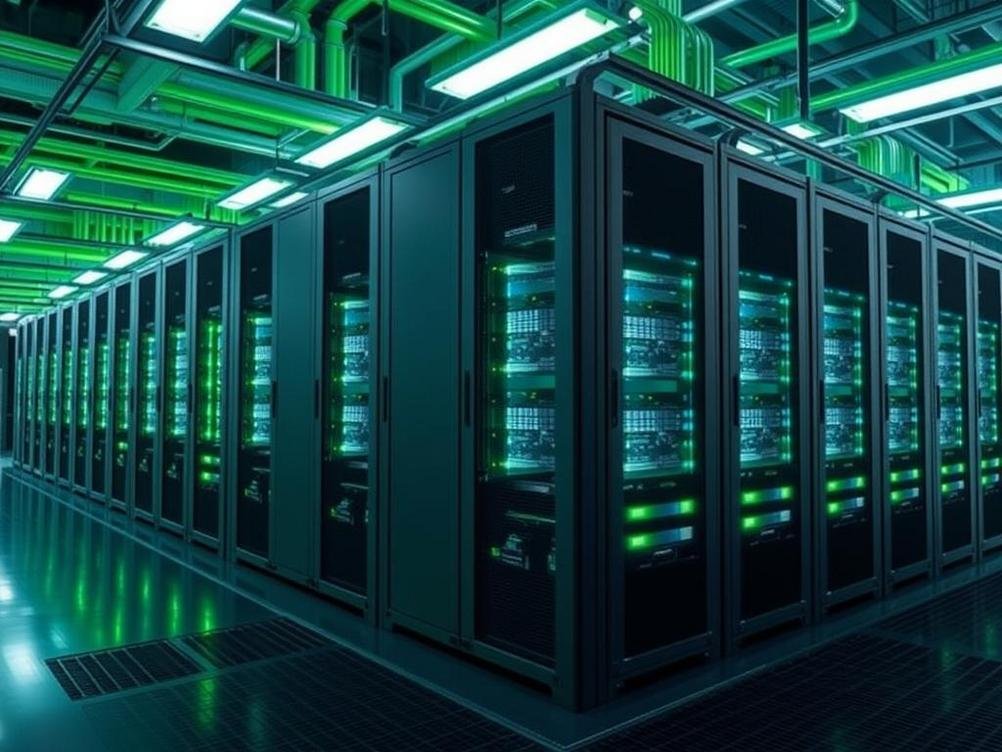
Supermicro’s AI Factory Clusters: Simplifying Massive-Scale AI with NVIDIA’s Latest Tech
Ever get that overwhelming feeling when you’re trying to set up a big AI project, like you’re juggling chainsaws while balancing on a unicycle? Yeah, me too. That’s why Supermicro’s latest announcement feels like a breath of fresh air. They just dropped news about their new AI Factory Cluster solutions, built smack on top of NVIDIA’s Enterprise Reference Architectures and the shiny new NVIDIA Blackwell AI Infrastructure. It’s all about making AI deployment easier, faster, and way less headache-inducing for businesses looking to scale up. Imagine going from zero to AI hero without the usual tech nightmares – no more endless debugging sessions or compatibility woes.
We’re talking about systems that can handle the massive demands of modern AI, like training those enormous language models or running real-time analytics on heaps of data. Supermicro, known for their rock-solid server tech, is teaming up with NVIDIA to create pre-optimized clusters that plug right in and play nice. It’s like having a personal AI chef who handles all the prep work so you can focus on the fun stuff, like innovating and making money. According to industry reports, AI adoption has skyrocketed, with companies spending over $200 billion on AI infrastructure in 2025 alone – and tools like this could cut deployment times by up to 50%. So, if you’re in the AI game, whether you’re a startup or a big enterprise, this could be the game-changer you’ve been waiting for. Let’s dive deeper into what makes this announcement such a big deal and how it might just transform the way we handle AI at scale.
What Exactly Are These AI Factory Clusters?
You know how building a custom AI setup used to feel like assembling IKEA furniture without the instructions? Supermicro’s new AI Factory Clusters are basically pre-built, ready-to-go systems that take all that guesswork out. They’re designed as turnkey solutions, meaning you get everything from the hardware to the software optimized for NVIDIA’s tech. At the heart of it, these clusters use NVIDIA’s Enterprise Reference Architectures, which are like blueprints for high-performance computing, and the Blackwell AI Infrastructure, NVIDIA’s latest beast that boosts efficiency with faster GPUs and better energy management.
Think about it: These clusters can scale from a few servers to hundreds, handling workloads that demand serious horsepower. For example, if you’re running a generative AI model like those in ChatGPT or image generators, this setup lets you process data quicker without the system crashing under pressure. Supermicro isn’t just slapping parts together; they’re fine-tuning for things like liquid cooling and modular designs, which keep things running cool and efficient – literally saving you on electricity bills. I mean, who wouldn’t want that? In a world where data centers guzzle power like it’s going out of style, this could be a real win.
One cool thing is how flexible these clusters are. You can mix and match components based on your needs, almost like customizing your own AI sandbox. If you’re into healthcare AI, for instance, you could tweak it for processing medical imaging faster. It’s not just about power; it’s about making AI accessible, so even teams without a PhD in computer science can get started.
How NVIDIA’s Tech Powers This Whole Setup
NVIDIA has been the rockstar of AI hardware for years, and their Enterprise Reference Architectures are like the secret sauce that makes everything tick. These architectures provide a standardized way to build AI systems, ensuring that everything from chips to software works seamlessly. With Supermicro’s clusters leaning on this, it’s like NVIDIA is handing over the keys to a sports car – you just need to drive it. The NVIDIA Blackwell AI Infrastructure takes it up a notch by introducing next-gen GPUs that are faster, more efficient, and packed with features for handling complex AI tasks, such as accelerated training and inference.
Let me paint a picture: Picture you’re training a massive AI model for, say, predictive analytics in finance. Without this tech, you’d be waiting hours or even days for results. But with Blackwell, processing speeds can skyrocket, potentially cutting training times by 30-40% based on NVIDIA’s benchmarks. That’s huge when you’re dealing with real-time data. Supermicro integrates all this into their clusters, so it’s not just about the hardware; it’s a full ecosystem. For instance, if you check out NVIDIA’s official site (nvidia.com/blackwell), you’ll see how it’s revolutionizing AI workflows.
And here’s a fun bit – it’s all about scalability. You start small and expand as needed, without rebuilding from scratch. It’s like upgrading your phone; you don’t toss the whole thing, just swap in better parts. This partnership means businesses can avoid the common pitfalls of AI deployment, like incompatible systems or overheating issues, making the whole process feel less like a tech gamble and more like a sure bet.
The Perks of Simplifying AI Deployment at Scale
Alright, let’s get real – deploying AI at a large scale used to be a nightmare, full of roadblocks like integration headaches and cost overruns. But Supermicro’s solutions aim to strip that away, turning complex setups into something straightforward. With these clusters, you’re looking at reduced setup times, lower operational costs, and easier management. It’s like going from manually tuning a car engine to hopping into an electric vehicle with autopilot. Suddenly, scaling AI isn’t just possible; it’s efficient and affordable.
- Faster time-to-market: Get your AI projects live quicker, which could mean beating competitors to the punch.
- Cost savings: Optimized energy use and pre-configured systems cut down on waste – think saving thousands in electricity and maintenance.
- Enhanced reliability: Built-in redundancies mean less downtime, which is gold for industries like e-commerce or autonomous driving.
For example, a retail company using this could analyze customer data in real-time to personalize shopping experiences, all without the usual backend chaos. And with AI projected to add $15.7 trillion to the global economy by 2030, according to McKinsey, tools like this are basically accelerators for that growth.
Real-World Applications and Success Stories
Okay, theory is great, but how does this play out in the wild? Let’s talk applications. In research labs, these clusters could speed up drug discovery, like simulating molecular interactions for new medicines – something that’s taken years before could now happen in months. Or in the entertainment industry, studios might use them to render high-fidelity CGI faster, making blockbuster movies without the delays.
Take a metaphor: It’s like upgrading from a flip phone to a smartphone; suddenly, you’re not just making calls, you’re running apps and streaming videos. Real-world insights show companies like those in autonomous vehicles are already seeing benefits from similar NVIDIA-based setups, with deployment times dropping from weeks to days. If you’re curious, sites like NVIDIA’s case studies (nvidia.com/industries) highlight how this tech is transforming sectors from gaming to manufacturing.
Of course, it’s not all smooth sailing for everyone. A small business might need to weigh the initial investment, but the long-term gains – like improved efficiency and innovation – often outweigh the costs. Humor me here: Imagine your AI setup as a band; with Supermicro and NVIDIA, you’re getting a full orchestra instead of a garage rock group.
Potential Hiccups and Things to Keep in Mind
Nothing’s perfect, right? Even with these shiny new clusters, there might be a few bumps. For starters, integrating them into existing systems could still require some tweaks, especially if your setup is outdated. It’s like trying to plug in a new gadget to an old house – sometimes the wiring just doesn’t match. Plus, with AI evolving so fast, keeping up with updates might feel like chasing a moving target.
- Cost considerations: These solutions aren’t cheap, so budget accordingly – but think of it as an investment, not an expense.
- Skill gaps: You might need trained staff to manage them, though Supermicro offers resources to help bridge that.
- Environmental impact: While more efficient, AI tech still uses a ton of power, so pairing this with green energy sources is smart.
Data from industry analysts suggests that about 20% of AI projects fail due to poor infrastructure, so getting this right could be a lifesaver. But hey, with the support from Supermicro and NVIDIA, it’s easier to navigate these waters than ever before.
Looking Ahead: The Future of AI Infrastructure
As we wrap up, it’s exciting to think about what’s next. With announcements like this, AI infrastructure is heading towards even more automation and user-friendly designs. We’re probably not far off from AI systems that self-optimize, making deployments as easy as updating an app. Supermicro and NVIDIA are paving the way, and it could lead to breakthroughs in fields we haven’t even imagined yet.
For instance, in education, this could mean personalized learning at scale, or in marketing, hyper-targeted campaigns that adapt in real-time. If trends continue, by 2026, we might see AI clusters that are twice as efficient as today’s models. It’s a wild ride, and staying informed will keep you ahead of the curve.
Conclusion
All in all, Supermicro’s new AI Factory Clusters, powered by NVIDIA’s tech, are a solid step forward in making AI accessible and scalable for everyone. We’ve covered how they simplify deployment, the tech behind them, and the real-world wins, but the real magic is in how they open doors to innovation without the usual hassles. Whether you’re a tech enthusiast or a business leader, this could be your ticket to harnessing AI’s full potential. So, what’s stopping you? Dive in, experiment, and let’s see what amazing things we can build together in this AI-driven world.