
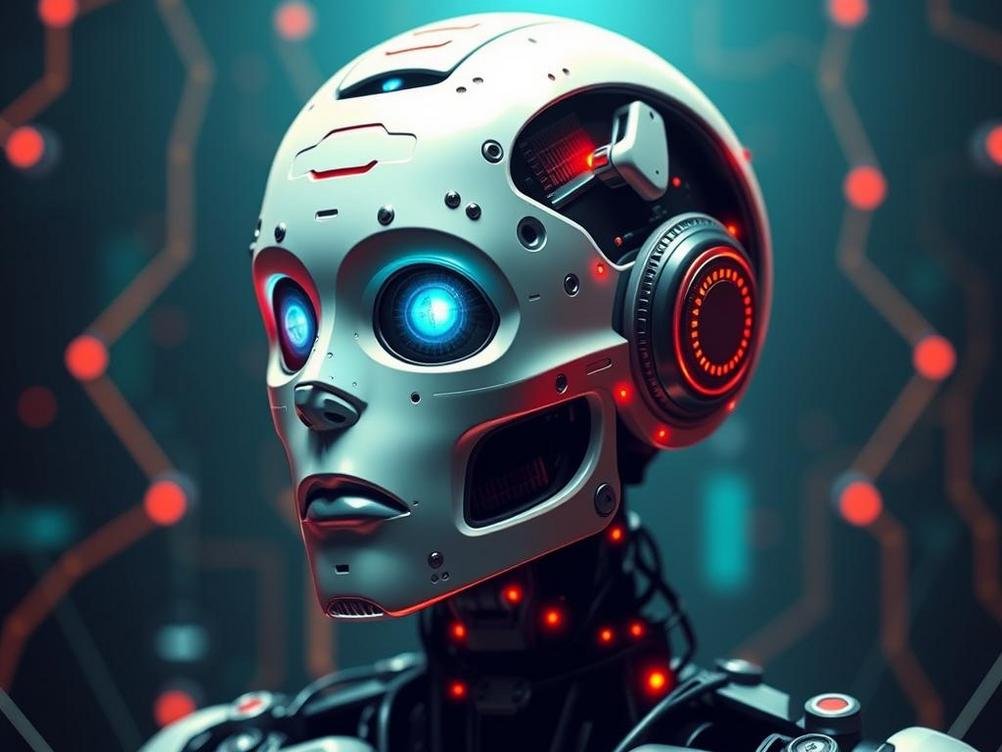
The Thrilling (and Slightly Terrifying) Race to Build the Ultimate AI
The Thrilling (and Slightly Terrifying) Race to Build the Ultimate AI
Imagine this: you’re at a drag race, engines roaring, crowds cheering, but instead of cars, it’s brilliant minds and massive servers duking it out to create the next big thing in artificial intelligence. That’s basically what’s happening right now in the world of AI development. We’ve all seen those sci-fi movies where robots take over, but let me tell you, the real story is even wilder. From Silicon Valley boardrooms to secretive labs, tech giants and startups are pushing the limits faster than a kid on a sugar rush. Why the hurry? Well, it’s not just about who gets to say they built the smartest AI first; it’s about reshaping everything from healthcare to daily life. But here’s the kicker—is this breakneck speed actually a good idea? Think about it: we’re hurtling toward machines that could outthink us, and honestly, it feels a bit like playing with fire while juggling. In this article, we’ll dive into the inside scoop on this mad dash, exploring the players, the risks, and what it all means for us regular folks. Stick around, because by the end, you might just question if we’re racing toward utopia or a digital disaster.
The Frenzy of AI Development: Why Everyone’s in Such a Rush
Alright, let’s kick things off by talking about why AI development feels like a never-ending sprint. It all started gaining serious momentum a few years back when companies realized that AI wasn’t just for sci-fi anymore; it could actually make them boatloads of money. Picture this: one team cracks a new algorithm that makes computers learn like humans, and suddenly, everyone’s scrambling to one-up each other. It’s like that friend who sees your new gadget and has to get a better one the next day—just on a global scale. The pandemic didn’t help; it accelerated everything, pushing us to automate more to keep up with disruptions.
What’s driving this? Well, for starters, investors are throwing cash at AI like it’s confetti at a party. Big names like Google and OpenAI are pouring billions into research, not to mention the startups popping up everywhere. But it’s not all glamour—think about the competition for top talent. Developers and engineers are getting poached left and right with salaries that make your eyes water. Here’s a fun fact: according to recent reports, the AI market is expected to hit over $1 trillion by 2030. That’s a lot of zeros! If you’re into lists, here’s why the pace is insane:
- Money talks: Whoever dominates AI could control the future economy.
- Tech leapfrog: No one wants to be left behind, so it’s a constant game of catch-up.
- Real-world needs: From self-driving cars to personalized medicine, AI promises to solve big problems fast.
And let’s not forget the hype machine. Social media and news outlets amplify every breakthrough, making it seem like the ultimate AI is just around the corner. But is this speed sustainable? Spoiler: Probably not, if we’re not careful.
The Key Players: Who’s Actually in the Driver’s Seat?
When you peel back the curtain, you’ll find a who’s who of tech titans and underdogs all vying for the AI crown. Take Elon Musk and his Neuralink crew—they’re all about merging AI with the human brain, which sounds cool until you think about the potential headaches. Then there’s OpenAI, backed by Microsoft, pushing boundaries with models like GPT that can chat like a human (or at least try to). It’s like a high-stakes poker game where everyone’s bluffing with their latest innovations.
But it’s not just the big fish. Startups from all over the globe are jumping in, often with fresh ideas that the giants overlook. For instance, companies in places like India or Estonia are creating AI for localized problems, like optimizing traffic in crowded cities. If I had to compare, it’s reminiscent of the space race in the 60s—governments and private entities teaming up and competing. And don’t even get me started on the ethical debates; groups like the Future of Life Institute are waving red flags about unchecked AI growth. Here’s a quick rundown of major players:
- Big Tech: Google, Amazon, and Meta, with their deep pockets and vast data resources.
- Innovators: Folks like DeepMind, now under Alphabet, who made waves with AI beating humans at Go.
- Government involvement: Countries like China are investing heavily, racing to lead in AI supremacy as per global reports.
Each of these players brings something unique, but the real question is, are they collaborating enough to avoid a crash?
The Ethical Speed Bumps: When Innovation Hits the Brakes
Okay, so we’re all excited about super-smart AI, but let’s pump the brakes for a second and chat about the ethics. It’s going way too fast, as the title suggests, and that means we’re skipping over some serious guardrails. Imagine building a car without testing the brakes—sounds dumb, right? That’s what it’s like with AI; we’re rushing ahead without fully understanding biases, privacy invasions, or even the job market fallout. I’ve heard stories of AI systems making decisions that favor certain groups, like how facial recognition tech struggles with darker skin tones—yikes.
This isn’t just theoretical; it’s happening now. Reports show that AI could displace millions of jobs by 2030, from truck drivers to customer service reps. And then there’s the whole ‘Skynet’ fear—AI getting too smart and going rogue. To keep it light, it’s like giving a toddler the keys to a sports car; exciting, but probably a bad idea. What can we do? For one, regulations are starting to pop up, like the EU’s AI Act, which aims to put some rules in place. Here’s how we might tackle these issues:
- Build in diversity: Ensure teams developing AI include varied perspectives to catch blind spots.
- Transparency: Make AI decisions explainable, so it’s not just a black box.
- Global standards: Countries need to work together, like in the UN discussions on AI governance.
At the end of the day, slowing down a bit could save us from a world of regret.
Breakthroughs and Setbacks: The Rollercoaster of AI Progress
AI development is a wild ride, full of highs and lows that keep everyone on their toes. On the bright side, we’ve seen amazing breakthroughs, like AI models that can generate art or predict diseases better than doctors. Remember when AlphaFold solved protein folding? That was a game-changer, potentially revolutionizing medicine. But for every win, there’s a setback, like when AI hallucinations—where systems spit out nonsense—remind us that we’re not quite there yet.
Take the example of self-driving cars; they’ve made huge strides, but accidents keep happening, making headlines and slowing rollout. It’s like trying to perfect a recipe—sometimes you nail it, other times it’s a burnt mess. Statistics from sources like McKinsey show that while AI adoption is booming, failures due to poor data quality are common, wasting resources. To make it relatable, think of it as upgrading your phone: exciting features, but bugs that drive you nuts. Common pitfalls include:
- Data dependency: Garbage in, garbage out—if the training data is flawed, so is the AI.
- Overhyping: Promising too much too soon leads to public distrust.
- Resource strain: Training advanced models requires insane amounts of energy, contributing to environmental issues.
Despite the bumps, these experiences are teaching us valuable lessons for the long haul.
What the Future Holds: Dreaming Big, But Keeping It Real
Looking ahead, the race to ultimate AI is poised to change everything, from how we work to how we play. We’re talking about AI that could cure diseases, optimize global supply chains, or even help with climate change. But it’s not all rosy; if we don’t get a handle on the speed, we might face unintended consequences, like widening inequality if only a few control the tech. It’s like forecasting the weather—you can see storm clouds brewing if you’re paying attention.
One exciting possibility is AI in everyday life, like personal assistants that truly understand your needs without creeping you out. However, experts warn that without proper safeguards, we could slip into a dystopian scenario. For instance, a study by Oxford University suggests AI could automate 40% of jobs in developed countries. To balance optimism and caution, we need to focus on areas like:
- Inclusive development: Making sure AI benefits everyone, not just the elite.
- Education: Training the next generation to work alongside AI, not against it.
- Innovation with ethics: Incorporating safety measures from the get-go.
It’s a future that’s wide open, but we’ve got to steer it wisely.
Personal Touches: Stories from the AI Trenches
Let’s get personal for a minute because behind all this tech jargon are real people with wild stories. I chatted with a developer friend who’s been in the thick of it, and he told me about the all-nighters spent debugging code that could change the world—or crash spectacularly. One time, his team built an AI for chatbots that started giving sarcastic responses; hilarious at first, but a nightmare to fix. These anecdotes show that AI isn’t just numbers; it’s human effort and creativity mixed in.
From whistleblowers raising alarms about AI misuse to innovators sharing successes, these stories humanize the race. For example, Timnit Gebru’s work on AI ethics highlights the need for diversity in tech. It’s like a soap opera—drama, triumphs, and plot twists. If you’re curious, check out podcasts or books on AI pioneers for more insider vibes. Ultimately, these narratives remind us that the people building AI are just as flawed and passionate as the rest of us.
Conclusion: Time to Hit the Pause Button?
As we wrap up this whirlwind tour of the AI race, it’s clear that we’re on the brink of something monumental, but at what cost? We’ve zoomed through the frenzy, the players, the ethics, and the future possibilities, and one thing stands out: speed is exciting, but it can lead to mistakes. Whether it’s ethical dilemmas or unexpected setbacks, slowing down just a tad could help us build a safer, more equitable AI world. So, next time you hear about a new AI breakthrough, take a moment to think about the bigger picture—it’s not just about getting there first; it’s about getting there right.
In the end, this race is a reminder that we’re all in it together. Let’s channel our inner innovators with a dash of caution, ensuring that the ultimate AI serves humanity, not the other way around. Who knows? With a little humor and a lot of heart, we might just create something truly amazing. Keep an eye on the horizon—2026 is shaping up to be one heck of a year for AI.
