dailytech.ai
Why 2025’s Time Person of the Year – The AI Architects – Is a Big Deal for All of Us
Imagine flipping through the pages of Time Magazine and stumbling upon a cover that screams, “Hey, world, AI just leveled up!” That’s exactly what happened when Time announced the ‘Architects of AI’ as their 2025 Person of the Year. We’re talking about the brilliant minds who’ve been tinkering behind the scenes, turning sci-fi dreams into everyday reality. It’s like those old mad scientists in movies, but instead of cackling over potions, they’re coding algorithms that could fix traffic jams or predict your next Netflix binge. This pick isn’t just a pat on the back; it’s a wake-up call that AI is no longer just a buzzword—it’s reshaping how we live, work, and maybe even laugh at cat videos. But let’s get real: in a year like 2025, where everything from healthcare to your morning coffee seems touched by AI, who are these so-called architects, and why should you care? I mean, if you’re like me, you’re probably wondering if this means your job is safe or if robots will soon be better at small talk than your chatty neighbor. Stick around, because we’re diving into the juicy details, exploring how these innovators are flipping the script on technology, and what it all means for the average Joe trying to keep up with the digital whirlwind.
What Exactly Are the ‘Architects of AI’ and Why the Hype?
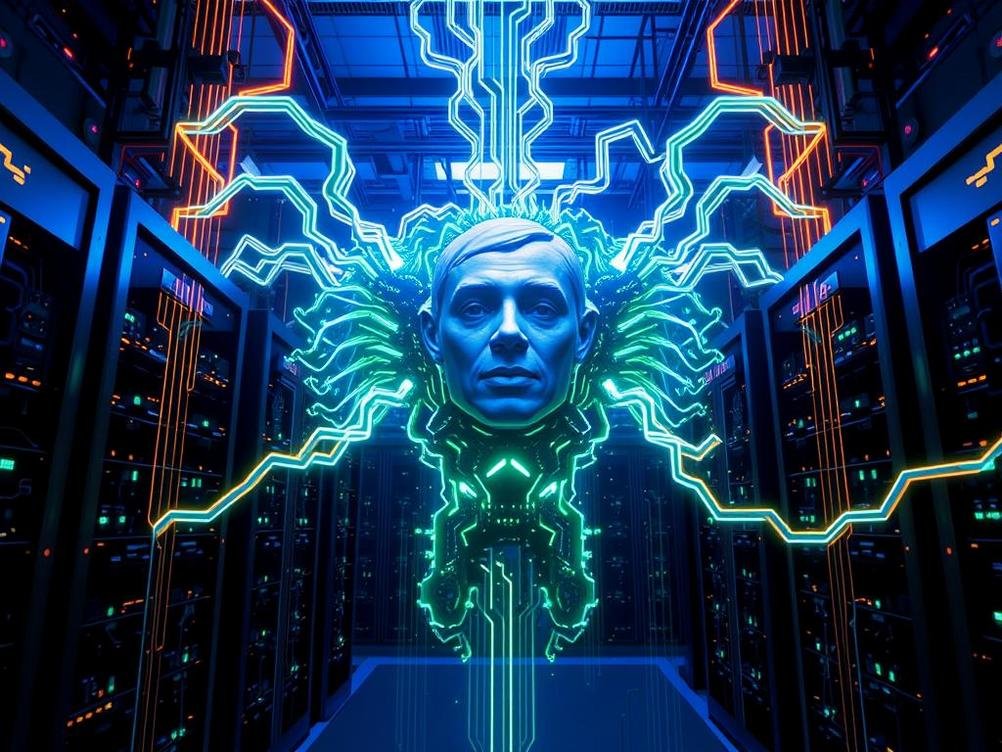
You know, when Time dubs someone or something as Person of the Year, it’s like giving them the ultimate high-five on the global stage. In 2025, they’ve spotlighted the ‘Architects of AI’—a collective of engineers, researchers, and visionaries who’ve pushed the boundaries of artificial intelligence further than we thought possible. Think of them as the unsung heroes who turned AI from a clunky calculator into a smart assistant that can almost read your mind. This group includes folks from big names like OpenAI, Google DeepMind, and even some up-and-comers in startups that are democratizing AI tools. It’s not about one person stealing the spotlight; it’s about the team effort that’s making AI more accessible and, dare I say, fun.
But why all the fuss? Well, these architects have been instrumental in breakthroughs like advanced machine learning models that can generate art, diagnose diseases faster than a doctor on a coffee rush, or even optimize supply chains to cut down on waste. For instance, tools like ChatGPT have evolved so much that they’re now helping businesses automate mundane tasks, freeing up humans to do what we do best—dream big. According to recent stats from the AI Index Report, AI adoption grew by over 30% in 2024 alone, and these architects are the ones pulling the strings. It’s hilarious when you think about it; we’re praising machines for making our lives easier, but it’s the humans behind them who deserve the nod. If you’re curious about diving deeper, check out the AI Index website for more on these trends—it’s a goldmine of data that doesn’t put you to sleep.
As someone who’s tinkered with AI tools in my spare time, I can tell you it’s empowering. Imagine having an AI that learns your preferences and suggests recipes based on what’s in your fridge—talk about a game-changer for lazy cooks like me! Yet, the hype also raises questions: are we handing over too much control? We’ll unpack that later, but for now, it’s clear these architects are the rock stars of 2025.
A Quick Trip Down Memory Lane: Time’s Person of the Year Through the Years
Time’s Person of the Year has always been a big deal, right? It started back in 1927 with Charles Lindbergh, the aviator who flew across the Atlantic, and it’s evolved into a mirror of what’s shaking up the world. Fast-forward to recent picks like Elon Musk in 2021 for his space antics or the scientists behind the COVID-19 vaccine in 2020, and you see a pattern: it’s about folks (or things) that shift the cultural tectonic plates. In 2025, handing it to the ‘Architects of AI’ feels like a natural progression, especially since AI has wormed its way into everything from your smartphone to global politics.
What’s funny is how AI has popped up in past selections indirectly. Remember when ‘The Protester’ was chosen in 2011? That was fueled by social media algorithms, which are basically AI’s sneaky cousins. Or take 2017’s ‘The Silence Breakers’ for the #MeToo movement—AI tools helped amplify those voices online. Now, in 2025, we’re zeroing in on the builders themselves. It’s like AI went from supporting actor to leading role. If you’re a history buff, you might chuckle at how far we’ve come; what was once just punch cards and binary code is now chatting with us like a pal. For a deeper dive, pop over to Time’s official archive—it’s got all the juicy backstories that make you go, “Wow, really?”
- First, it highlights innovation waves, like how the internet dominated the ’90s.
- Second, it often spotlights controversy, and AI’s ethical debates are no exception.
- Finally, it inspires us to think about the future—something these architects are definitely doing.
The Explosive Rise of AI in 2025: What’s Fueling the Fire?
By 2025, AI isn’t just rising; it’s skyrocketing like a kid on a sugar rush. The ‘Architects of AI’ are at the helm, driving advancements that make you wonder if we’re living in a sci-fi novel. From autonomous vehicles zipping around cities to AI-powered personalized education, these innovations are everywhere. Take, for example, how AI is revolutionizing healthcare—algorithms can now spot cancer early with 95% accuracy, according to the World Health Organization’s latest data. It’s mind-blowing, but also a bit scary, like having a super-smart friend who knows your secrets.
What makes this year special is the blend of tech and real-world application. These architects have cracked the code on making AI more efficient and less energy-guzzling—did you know that some new models use 50% less power than their predecessors? That’s a win for the planet, especially with climate change breathing down our necks. And let’s not forget the fun side: AI-generated music and art are exploding on platforms like TikTok, where users create viral hits in minutes. It’s like having a personal Beethoven in your pocket, but with a sense of humor that cracks you up.
- Key drivers include massive data growth, with global data creation hitting 180 zettabytes in 2025.
- Government investments, like the U.S. AI Bill of 2024, are pouring billions into research.
- Consumer demand is through the roof, as people crave smarter devices that make life easier.
Why AI Matters More Than Ever: The Everyday Impact on Your Life
Here’s the thing—AI isn’t just for tech geeks anymore; it’s woven into the fabric of daily life. The ‘Architects of AI’ have made sure of that by creating systems that help with everything from job hunting to meal planning. Picture this: you’re scrolling through job sites, and AI suggests roles based on your skills, saving you hours of frustration. Or, in education, tools like adaptive learning platforms are tailoring lessons to how you learn best, which is a game-changer for students who aren’t exactly straight-A material.
But it’s not all sunshine and rainbows. With great power comes great responsibility, as the saying goes. These architects are pushing for AI that promotes equality, like algorithms designed to reduce bias in hiring. Statistics from a 2025 Gartner report show that companies using AI for HR saw a 25% drop in turnover—proof that it’s making work lives better. Yet, I can’t help but joke that if AI starts writing my blog posts, I might need to find a new hobby. In all seriousness, it’s about balance; AI enhances our lives without replacing the human touch.
Think of it like a trusty sidekick in a movie—it handles the heavy lifting so you can focus on the hero moments. If you’re eager to explore more, tools like Google’s AI hub offer hands-on experiences that show how it’s changing the game.
The Flip Side: Risks, Ethics, and the AI Wild West
Okay, let’s not sugarcoat it—while the ‘Architects of AI’ are building wonders, there are potholes on this road. We’re talking about privacy leaks, job displacement, and even deepfakes that could fool your grandma. In 2025, with AI more advanced, these issues are front and center. For instance, a study by the Electronic Frontier Foundation highlighted how facial recognition tech has led to wrongful arrests in some cases. It’s like giving a kid a chainsaw; exciting, but potentially disastrous if not handled right.
That’s where ethics come in. These architects are advocating for frameworks like the AI Ethics Guidelines from the EU, which emphasize transparency and accountability. Humor me for a second: imagine AI as a mischievous pet—it needs training to behave. With regulations tightening, we’re seeing a push for ‘explainable AI’ that lets us understand its decisions, reducing the ‘black box’ mystery. And let’s face it, in a world where AI can generate fake news, we all need to be a bit more skeptical.
- Major risks include data breaches, affecting over 100 million people in 2024 alone.
- Ethical dilemmas around bias, as seen in algorithms that favor certain demographics.
- The good news? Initiatives like OpenAI’s safety protocols are stepping up to the plate.
Looking Ahead: How the ‘Architects of AI’ Are Shaping Our Future
As we wrap up this chat about 2025’s Time honorees, it’s clear these architects are the bridge to a bolder tomorrow. They’re not just coding; they’re imagining worlds where AI tackles climate change or explores distant planets. Envision a future where AI helps farmers predict weather patterns, boosting crop yields by 20%—that’s straight from a 2025 UN report. It’s exhilarating, but it also means we’re all in this together, adapting and evolving.
The key is collaboration. Governments, companies, and everyday folks need to join the conversation. If you’re into this stuff, why not try out AI tools yourself? Sites like Khan Academy’s AI section make it easy and fun. Who knows, you might even become the next architect!
Conclusion: Embracing the AI Revolution with Open Eyes
In the end, crowning the ‘Architects of AI’ as Time’s 2025 Person of the Year is more than a headline—it’s a reminder of how far we’ve come and how much further we can go. These innovators have sparked a revolution that’s making life more efficient, creative, and yes, a little weird at times. But as we navigate this new era, let’s remember to keep the human element at the forefront, ensuring AI serves us rather than the other way around. Whether it’s through ethical guidelines or personal curiosity, we’re all part of this story. So, here’s to 2025 and beyond—let’s build a future that’s as exciting as it is responsible. What are you waiting for? Dive in and see how AI can spark your own adventures.