 dailytech.ai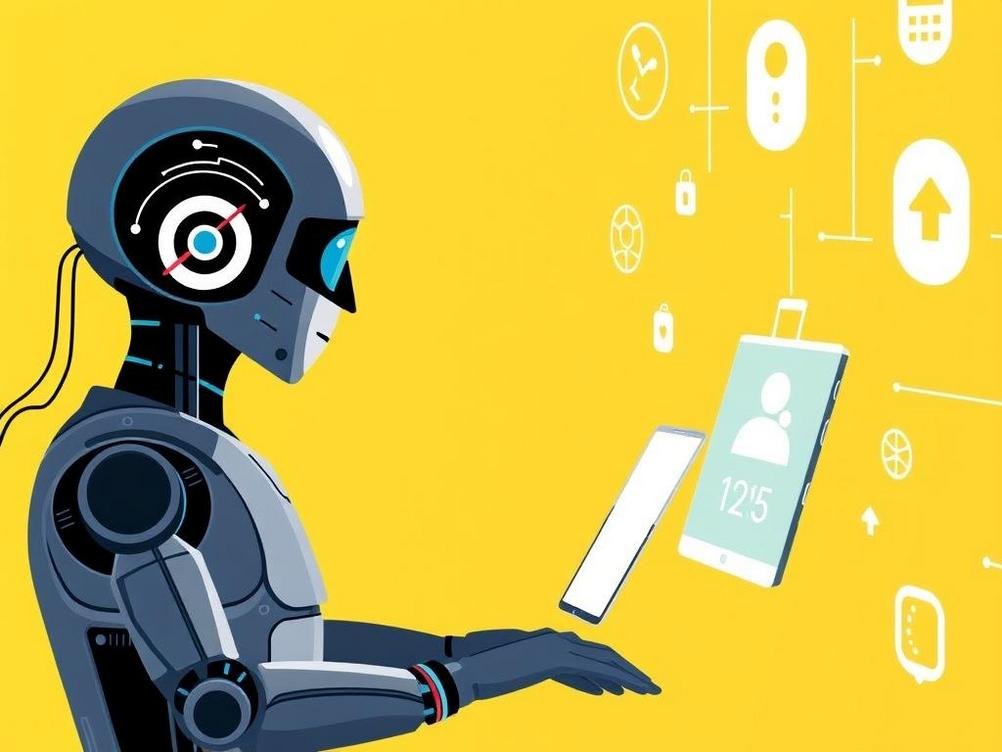
Top 8 AI Cybersecurity Companies Set to Dominate 2025
Hey there, fellow tech enthusiasts! Picture this: It’s 2025, and cybercriminals are getting sneakier than ever, like those villains in a spy thriller who always seem one step ahead. But don’t worry, because AI is stepping up as the ultimate sidekick in the fight against digital baddies. I’ve been diving deep into the world of cybersecurity, and let me tell you, the integration of artificial intelligence is a game-changer. It’s not just about firewalls and antivirus anymore; we’re talking smart systems that learn, adapt, and predict threats before they even knock on your digital door. In this post, I’m rounding up eight standout companies that are leveraging AI to keep our data safe. Whether you’re a business owner sweating over potential breaches or just a curious netizen, these firms are worth keeping an eye on. We’ll explore what makes them tick, their cool tech, and why they might just be the heroes we need in the coming year. Buckle up—it’s going to be an informative ride with a dash of humor, because who says talking about cyber threats can’t be fun? Let’s jump in and see how these innovators are shaping the future of online security.
Why AI is the New Sheriff in Cybersecurity Town
Alright, let’s kick things off by chatting about why AI has become such a big deal in cybersecurity. Remember the old days when security was all about reactive measures—like slapping a band-aid on a wound after it’s already bleeding? AI flips that script entirely. It uses machine learning to analyze patterns, spot anomalies, and even predict attacks based on data trends. It’s like having a psychic bodyguard who knows trouble’s coming before it arrives. According to a recent report from Gartner, AI-driven security spending is projected to hit $15 billion by 2025. That’s no small potatoes! These tools aren’t just fancy gimmicks; they’re essential in a world where threats evolve faster than you can say ‘phishing scam.’
But here’s the fun part—AI isn’t infallible, and that’s where the human touch comes in. Companies are blending AI with expert oversight to create hybrid systems that learn from past mistakes. Imagine your cybersecurity setup as a wise old owl mixed with a hyper-intelligent robot. It’s this combo that’s making waves, reducing false positives and speeding up response times. If you’ve ever dealt with a data breach (knock on wood you haven’t), you know how crucial quick action is. These AI companies are basically the cavalry charging in to save the day.
The Rising Stars: Up-and-Comers Making Waves
First up on our list are the fresh faces that are shaking things up. Take Darktrace, for instance. This UK-based company uses AI to mimic the human immune system—how cool is that? Their tech autonomously detects and responds to threats in real-time, without needing constant human input. Founded in 2013, they’ve grown like wildfire, partnering with big names and even going public. In 2025, expect them to expand into more cloud security solutions, especially with remote work still being a thing post-pandemic.
Then there’s Vectra AI, another gem focusing on network detection. Their platform uses behavioral analysis to spot sneaky intruders who might slip past traditional defenses. It’s like having a detective who’s always on the case, piecing together clues from user behavior and traffic patterns. Vectra’s been around since 2011, but their AI algorithms have gotten seriously sophisticated lately. Fun fact: They claim to reduce investigation time by up to 90%. If you’re running a large enterprise, this could be your new best friend against those elusive cyber ghosts.
Don’t forget about Exabeam. These guys specialize in user and entity behavior analytics (UEBA), using AI to baseline normal activity and flag the weird stuff. Picture your network as a bustling city, and Exabeam is the cop spotting pickpockets in the crowd. They’re great for spotting insider threats, which are sneakier than you’d think. With integrations into popular tools like Splunk, they’re poised for big growth in 2025.
Established Players Leveling Up with AI
Now, let’s talk about the big guns who’ve been in the game forever but are amping up their AI game. CrowdStrike is a heavyweight, known for their Falcon platform that uses AI to hunt threats proactively. Remember the SolarWinds hack a few years back? CrowdStrike was all over that, showcasing their prowess. In 2025, they’re investing heavily in AI for endpoint protection, making sure your laptops and servers are Fort Knox-level secure. Their cloud-native approach means no more clunky on-prem hardware—everything’s seamless and scalable.
Palo Alto Networks isn’t slouching either. Their Cortex XDR uses AI to correlate data from various sources, giving you a holistic view of threats. It’s like putting together a puzzle where the pieces are emails, logs, and network flows. They’ve been acquiring AI startups left and right, bolstering their arsenal. If you’re into zero-trust models, Palo Alto’s got you covered with AI that adapts to new risks on the fly. Plus, their user interface is surprisingly user-friendly—none of that tech jargon overload.
SentinelOne rounds out this trio. Their Singularity platform employs AI for autonomous endpoint protection, detection, and response. It’s self-healing, which sounds almost magical—malware gets zapped before it can do damage. Founded in 2013, they’ve raised eyebrows with their high detection rates in independent tests. For 2025, watch for their expansions into IoT security, as smart devices become prime targets for hackers.
Innovative Tech and Real-World Impact
Diving deeper, let’s look at some cutting-edge tech these companies are pushing. Fortinet, for example, integrates AI into their FortiAI tool, which analyzes threats and suggests responses. It’s like having an AI consultant whispering in your ear during a crisis. They’ve got a massive threat intelligence database, fed by millions of sensors worldwide. In real-world scenarios, this means faster mitigation of attacks, potentially saving companies millions in downtime costs.
BlackBerry Cylance takes a preventive approach with their AI-driven antivirus. Instead of chasing known signatures, it predicts malicious behavior using math models. Remember when ransomware was all the rage? Cylance stops it cold before execution. Their tech has been battle-tested in industries like healthcare, where data breaches can be life-threatening. As we head into 2025, their focus on edge computing security will be huge, especially with 5G rolling out everywhere.
These innovations aren’t just buzzwords—they’re making a tangible difference. A study by IBM shows that AI can cut breach costs by up to 30%. It’s not all smooth sailing, though; ethical concerns like AI bias in threat detection are popping up, but companies are addressing them head-on.
Challenges and the Road Ahead
Of course, no tech revolution is without its bumps. One big challenge is the cat-and-mouse game with cybercriminals who are also using AI to craft smarter attacks. It’s like an arms race in cyberspace. Companies like these eight are staying ahead by constantly updating their models, but it requires vigilance. Another hurdle is integration—getting AI to play nice with existing systems can be a headache, akin to teaching an old dog new tricks.
Looking to 2025, regulations like GDPR and new AI laws will shape how these firms operate. They’ll need to balance innovation with compliance, ensuring privacy isn’t sacrificed for security. On the bright side, collaborations between companies are increasing, pooling resources for better threat intelligence. It’s a team effort, after all.
How to Choose the Right AI Cybersecurity Partner
So, you’re sold on AI cybersecurity—now what? Start by assessing your needs. Are you a small business worried about phishing, or a corporation dealing with nation-state threats? Look for companies with strong track records, like those I’ve mentioned. Check out demos and read reviews on sites like G2 or TrustRadius (links: G2, TrustRadius).
Don’t forget about scalability and cost. Some solutions are pricey, but the ROI from prevented breaches is massive. Ask questions: Does it integrate with my current setup? What’s the false positive rate? A good partner will offer training and support, making the transition smooth. Remember, the best defense is a proactive one—pick a company that’s evolving with the threats.
Lastly, consider open-source options or hybrids, but for robust protection, these pros are hard to beat.
Conclusion
Whew, we’ve covered a lot of ground here, from the whys and hows of AI in cybersecurity to spotlighting eight killer companies ready to tackle 2025’s challenges. Darktrace, Vectra AI, Exabeam, CrowdStrike, Palo Alto Networks, SentinelOne, Fortinet, and BlackBerry Cylance are leading the charge, each with unique strengths that could make all the difference in keeping your digital world secure. As threats get more sophisticated, these AI-powered solutions offer hope and a bit of excitement—who knew fighting hackers could involve so much cool tech? If you’re in the market for better security, do your homework and pick one that fits. Stay safe out there, folks, and remember: In the world of cybersecurity, it’s better to be the hunter than the hunted. Here’s to a breach-free 2025!









Leave a Reply