dailytech.ai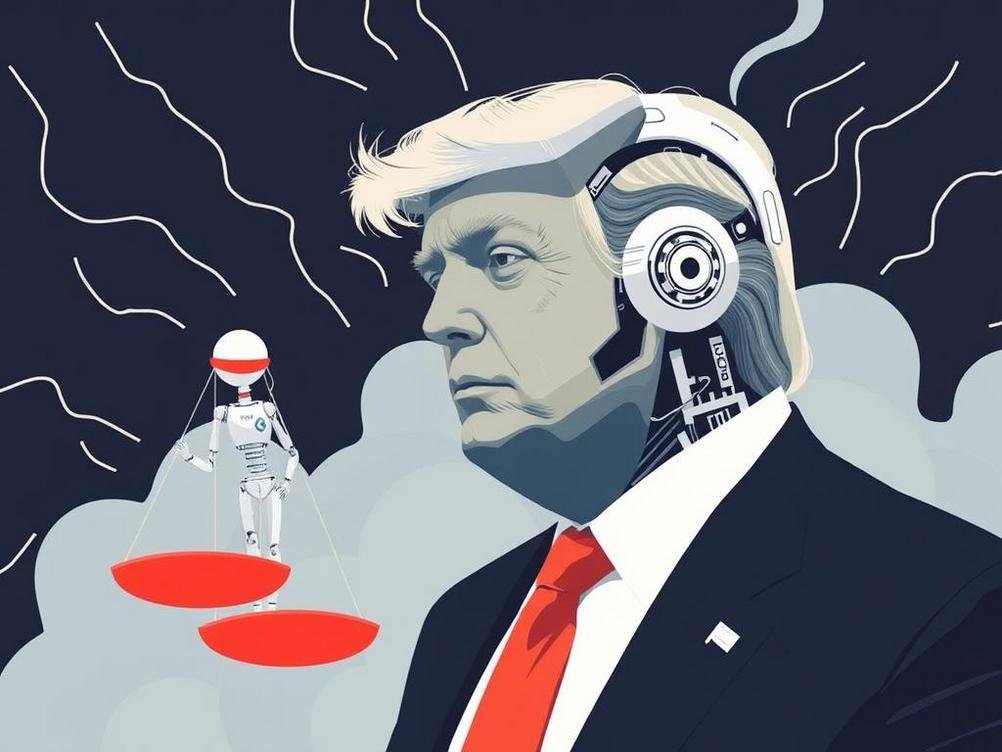
Is Trump’s Latest AI Power Play Legal or Just a Wild Swing?
Imagine this: you’re scrolling through your feed, sipping coffee, and suddenly you stumble upon news that the former president is throwing his hat into the AI ring with an executive order aimed at overriding state-level laws. Yeah, that’s right – we’re talking about Trump trying to swoop in and dictate how AI gets regulated across the country. But here’s the juicy part: experts are already whispering that this might not hold up in court. It’s like watching a high-stakes poker game where someone bets the farm on a bluff. As someone who’s followed the wild world of AI and politics for a while, I can’t help but chuckle at the chaos. Is this a bold move to unify AI rules or just another political hail Mary? We’ll dive into the nitty-gritty, explore what this could mean for everyday folks, and maybe even poke fun at the absurdity of it all. Because let’s face it, AI is already changing everything from your smart fridge to job markets, and now it’s tangled up in legal drama that feels straight out of a sci-fi flick.
Now, why should you care? Well, AI isn’t just some futuristic gadget; it’s woven into our daily lives, from algorithms deciding what ads you see to tools that help doctors diagnose diseases faster. If Trump’s executive order sticks, it could centralize control over AI regulations, potentially steamrolling the patchwork of state laws that have been popping up left and right. Think about it – places like California have been pushing for strict rules on data privacy and AI ethics, while others are more lax. This order might aim to create a one-size-fits-all approach, but is that even possible in a country as diverse as ours? It’s got me wondering: could this lead to innovation booming or innovation stifled? Over the next few sections, we’ll unpack the backstory, the legal headaches, and what this means for the future. Stick around, because by the end, you’ll have a clearer picture of whether this is a genius strategy or just hot air.
What Exactly is Trump’s Executive Order All About?
Okay, let’s break this down without getting too bogged down in legalese. From what I’ve pieced together, Trump’s executive order is basically an attempt to set national standards for AI development and usage, potentially overriding what states have been cooking up on their own. It’s like the federal government saying, “Hey, we’re taking the wheel on this AI highway.” But why now? Well, AI has exploded in recent years, with tech giants racing to build smarter machines, and states have been scrambling to keep up. For instance, California’s AI accountability laws are all about protecting consumer data, while other states might focus on ethical AI in hiring practices.
This order reportedly pushes for a unified framework, emphasizing things like national security and economic growth. Imagine if every state had its own speed limit on the same road – it’d be a mess, right? Trump’s team might argue that’s what’s happening with AI regs. But here’s where it gets funny: executive orders aren’t exactly laws. They’re more like strong suggestions from the White House that need backing from existing statutes. If they’re not grounded properly, they can fizzle out faster than a bad AI-generated joke. And that’s where the controversy kicks in – states aren’t too thrilled about being sidelined.
To give you a sense, let’s list out some key elements of what this order might cover:
- Standardizing AI Ethics: A push for uniform guidelines on how AI handles bias and privacy, which could mean less variation between states but might ignore local needs.
- Boosting Innovation: By cutting through red tape, it could speed up AI research, like in healthcare where AI helps spot diseases early – think faster cancer detections saving lives.
- National Security Focus: Prioritizing AI in defense, which sounds cool in theory, but could lead to overreach, like monitoring social media in ways that make privacy advocates squirm.
The Backstory: How Did We Get Here with AI Laws?
You know, AI regulations didn’t just pop up overnight; it’s been a slow burn. Back in the early 2010s, when AI was mostly in sci-fi movies, nobody was too worried. But fast-forward to today, and AI is everywhere – from your voice assistant nagging you about the weather to algorithms influencing elections. States started stepping up because the feds were dragging their feet. For example, in 2023, New York passed laws requiring transparency in AI decision-making, like when companies use it for job interviews. It’s all about making sure AI doesn’t discriminate or go rogue.
Trump’s move feels like a reaction to this state-by-state frenzy. Picture it as a parent stepping in when the kids are arguing over the rules of the game. The federal government has tools like the AI Bill of Rights from the Biden era, but Trump’s order might tweak that to favor business interests more. I’ve read reports that suggest this could be tied to lobbying from big tech players who want fewer restrictions to keep innovating without jumping through hoops in every state. It’s ironic, really – AI was supposed to make life easier, not turn into a political battlefield.
And let’s not forget the global angle. Countries like the EU have their own strict AI rules, with fines for non-compliance that could make your eyes water. If the U.S. doesn’t get its act together, we might lag behind, which is probably why Trump’s order is positioning America as a leader. Here’s a quick comparison in a list to keep it straight:
- EU’s AI Act: Focuses on high-risk AI with strict audits, already in effect and influencing global standards.
- U.S. State Laws: Varied, like California’s Consumer Privacy Act, which protects personal data from AI snooping.
- Federal Efforts: Trump’s order might align more with executive actions from his first term, emphasizing deregulation for tech growth.
Is This Executive Order Even Legal? The Big Question
Alright, let’s get to the elephant in the room – legality. Executive orders are powerful, but they’re not magic wands. Trump’s attempt to preempt state laws could run into some serious roadblocks, like the Supremacy Clause in the Constitution, which says federal law trumps state law only if it’s constitutional and properly enacted. But AI isn’t exactly covered in the founding documents, so it’s murky territory. Legal experts are buzzing that this might get challenged in court, comparing it to past cases where environmental regs were overturned.
For instance, remember when Obama tried executive actions on immigration? They got blocked for overstepping. This feels similar – if Trump’s order doesn’t stem from clear congressional authority, states could fight back. It’s like trying to enforce a house rule in a neighborhood where everyone has their own playbook. I’ve seen estimates that up to 70% of AI-related lawsuits in the past five years have revolved around jurisdiction, according to reports from legal watchdogs like the Electronic Frontier Foundation (which you can check out at eff.org for more insights).
So, what could go wrong? Let’s break it into points:
- Constitutional Challenges: States might argue it’s an unconstitutional power grab, leading to lawsuits that drag on for years.
- Precedent Issues: Past Supreme Court decisions, like in the EPA vs. states cases, show that federal overreach gets smacked down.
- Public Backlash: If it limits state innovations, like AI in education reforms, people might rally against it – think parents upset about AI in school curricula.
What Could This Mean for AI Innovation and Businesses?
If this order holds up, it might be a boon for businesses tired of navigating a maze of state laws. Imagine tech startups no longer having to customize their AI products for each state – that could save millions and spark more innovation. We’re talking about faster advancements in fields like autonomous vehicles or personalized medicine, where AI could revolutionize how we live. But on the flip side, if it’s too loose, we might see ethical slip-ups, like biased algorithms slipping through the cracks.
Take a real-world example: Companies like Google or OpenAI have been pushing for federal guidelines to avoid the hassle of state-by-state compliance. According to a 2024 report from the Brookings Institution (available at brookings.edu), streamlined regulations could add billions to the economy. That’s exciting, but it’s not all sunshine. If states lose their say, we might miss out on tailored solutions, like how California’s strict rules have led to better data protection for users.
And humor me for a second – it’s like trying to bake a cake with one universal recipe. What works in New York might flop in Texas, right? Businesses would need to adapt, perhaps by lobbying harder at the federal level, which could turn into a whole new game of political whack-a-mole.
How Will This Affect States and Everyday People?
States have been the real MVPs in AI regulation so far, filling the void left by sluggish federal action. If Trump’s order sidelines them, it could mean less localized control, affecting everything from job markets to privacy. For everyday folks, that might translate to fewer protections against AI mishaps, like deepfakes in elections or biased loan approvals. It’s a bit scary when you think about it – who wants a one-size-fits-all approach when your state’s needs are unique?
Let’s not forget the human element. In places like Illinois, laws protect against AI in employment decisions, helping prevent discrimination. If that’s overridden, workers could face tougher times. Statistics from a 2025 study by Pew Research show that 60% of Americans are worried about AI’s impact on jobs, so this could amp up that anxiety. On the bright side, uniform rules might make AI more accessible, like affordable AI-powered education tools reaching rural areas.
- Pros for People: Easier access to AI benefits, such as health apps that predict illnesses based on data.
- Cons: Potential loss of privacy, as federal oversight might not be as stringent.
- Real Impact: Could influence voting patterns, with people demanding more say in AI governance.
A Humorous Take: AI vs. Politics – Who Wins?
Let’s lighten things up because this whole thing is ripe for some laughs. Picture AI as that overly smart kid in class who’s always correcting the teacher – now the teacher (aka the government) is trying to put them in detention. Trump’s executive order is like saying, “AI, you’re grounded until I say so,” but AI doesn’t play by human rules. It’s ironic that we’re using AI to write parts of this blog (just kidding, I’m all human here!), yet politicians are scrambling to control it.
In all seriousness, though, this showdown highlights how politics and tech often clash like oil and water. Remember the time social media algorithms influenced elections? Yeah, that’s small potatoes compared to this. If this order flops, it might just prove that AI is the ultimate wildcard, outsmarting even the best-laid plans. And who knows, maybe in 2026, we’ll see AI lobbying for its own rights – now that would be a plot twist!
To wrap up the humor, think of it as a comedy sketch: States yelling, “Not in my backyard!” while the feds wave a magic wand. But underneath, it’s a reminder that we need balance to harness AI’s potential without losing our minds.
Conclusion
As we wrap this up, it’s clear that Trump’s executive order on AI laws is a bold – maybe even reckless – attempt to reshape the landscape. We’ve seen how it could streamline innovation, challenge state autonomy, and spark legal battles, all while highlighting the hilarious contradictions in governing something as unpredictable as AI. Whether it stands or falls, this move underscores the need for thoughtful, collaborative approaches to AI regulation that protect both progress and people.
So, what’s next? Keep an eye on the courts and stay engaged – your voice matters in shaping how AI evolves. Who knows, maybe this will inspire a new era of tech-policy harmony, or at least some entertaining headlines. Either way, let’s approach AI with curiosity and caution, ensuring it serves us rather than the other way around.