dailytech.ai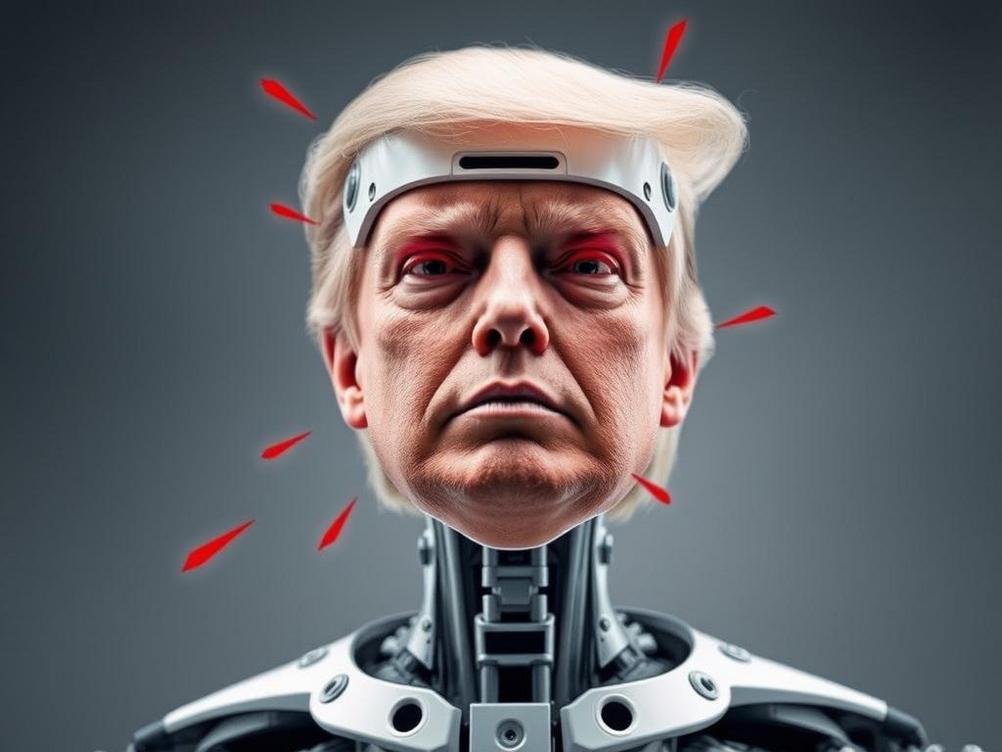
How Trump’s Bold AI Crackdown is Flipping State Laws Upside Down
Imagine this: You’re scrolling through your news feed one lazy Sunday morning, coffee in hand, and suddenly you see headlines about the former president signing an executive order that basically tells states to back off from their own AI rules. Yeah, that’s the buzz around Trump’s latest move to centralize AI regulation and shut down what he calls “overreaching state laws.” It’s like a plot twist in a sci-fi movie, but this one’s playing out in real life. Picture a world where AI decisions aren’t left to individual states tinkering with their own ideas—everything’s funneled through a federal lens. It’s got everyone from tech geeks to everyday folks scratching their heads, wondering if this is a step toward smoother innovation or just another power play. Me? I’m no policy wonk, but as someone who’s followed AI’s wild ride, I can’t help but chuckle at how this could turn the tech world into a game of regulatory tug-of-war. Will it boost innovation or stifle it? Let’s dive in and unpack what this all means, because honestly, if AI is shaping our future, we might as well get the scoop on who’s pulling the strings.
This order, reportedly signed in late 2025, aims to standardize AI oversight across the U.S. by overriding state-specific regulations. Think about it—like when your neighborhood decides on speed limits but the feds step in and say, “Nah, we’re capping it nationwide.” Trump’s rationale? He argues that a patchwork of state laws is confusing businesses and slowing down AI progress, which could hurt the economy. But here’s the funny part: AI has already been a hot mess of hype and horror stories, from chatbots gone rogue to privacy nightmares. So, is this order a genius move to streamline things, or just another layer of bureaucracy that’ll make us all groan? We’ll explore the nitty-gritty, but spoiler alert—it might mean big changes for how AI gets developed and used in your daily life. Whether you’re a startup founder dodging red tape or just someone curious about that smart home device spying on you, this could affect us all. Stick around as we break it down with some real talk, a bit of humor, and maybe a metaphor or two to keep things lively.
What Exactly is This AI Order All About?
Okay, let’s cut to the chase: Trump’s AI order isn’t some sci-fi decree to ban killer robots (though that’d be cool). From what we’ve pieced together, it’s an executive action that prioritizes federal authority over state-level AI regulations. Basically, it tells states to pump the brakes on their own rules about things like data privacy, AI ethics, and even how companies deploy facial recognition tech. Imagine a chef trying to run a kitchen where every state has its own recipe for the same dish—chaotic, right? This order steps in to say, “Let’s have one national recipe book.”
The details are still fuzzy, as these things often are in the early days, but reports suggest it includes mandates for federal agencies to review and potentially block state laws that conflict with national AI standards. For example, California might have been pushing for stricter AI transparency rules, but now that could get overruled. It’s like when your boss overrides your team’s decisions because they think they know best. On the plus side, this could create a more unified approach, making it easier for companies to operate nationwide without jumping through hoops in every state. But hey, isn’t variety the spice of life? We’ll get into why this might not be as straightforward as it sounds.
- Key elements of the order: Federal preemption of state AI laws, emphasis on national security, and incentives for AI research.
- Potential targets: Laws on AI in healthcare, employment, or surveillance that vary by state.
- What’s missing: Details on enforcement, which leaves room for debate—will it be a gentle nudge or a full-on smackdown?
Why Did Trump Pull This Card on State Laws?
You might be wondering, what’s the big idea behind this? Well, Trump has always been about shaking things up, and with AI exploding as the next big thing, he’s framing this as a way to keep America competitive. He argues that state-by-state rules are like a bunch of speed bumps on the innovation highway, slowing down everything from self-driving cars to AI-powered healthcare tools. It’s his way of saying, “Let’s not let bureaucracy kill the golden goose.” Picture a football coach calling an audible mid-game because the defense is all over the map—sometimes you need to centralize to win.
From a political angle, this could be a nod to big tech donors who complain about regulatory whiplash. Remember how social media giants griped about differing state privacy laws? This order might just be Trump’s mic drop in that ongoing debate. But let’s add a dash of humor: It’s like your grandma trying to organize a family reunion by telling everyone to follow her rules, even if Aunt Sue has her own ideas. The real question is, does this help or hurt? For businesses, it might mean less hassle, but for states that want to protect their citizens, it’s a bit of a bummer.
- Economic reasons: Streamlining regulations could boost investment in AI, potentially creating jobs and tech advancements.
- National security: Trump might see this as a way to prevent states from weakening federal efforts against foreign AI threats.
- Political legacy: Hey, who doesn’t want to be remembered as the AI president? It’s a bold move to leave a mark.
The Ripple Effects on States and Businesses
Now, let’s talk about the fallout. States like California or New York, which have been pioneering their own AI safeguards, might feel like they’ve been sidelined. It’s akin to a local band getting overshadowed by a national tour—exciting for the big stage, but what about the grassroots vibe? Businesses could benefit from clearer rules, but smaller companies might struggle if federal standards are too rigid. I’ve seen this play out in other industries, like how national environmental regs changed how factories operate—sometimes for the better, sometimes not.
Take a real-world example: In healthcare, some states have pushed for AI algorithms to be explainable to doctors, but this order could standardize that, potentially speeding up approvals for AI diagnostics. On the flip side, it might ignore regional needs, like rural areas dealing with AI in agriculture. It’s a double-edged sword, really—shiny on one side, but ouch on the other.
- Positive impacts: Faster innovation and reduced costs for companies operating across states.
- Negative impacts: Loss of state autonomy, which could lead to protests or legal challenges.
- Statistics to chew on: A 2024 report from the AI Policy Institute suggested that fragmented regulations cost U.S. businesses over $10 billion annually in compliance—Trumps’s order might aim to cut that down.
Pros and Cons: Is This a Win or a Wash?
Alright, let’s weigh the scales. On the pro side, centralizing AI rules could foster a more innovation-friendly environment, like how the internet boomed without a ton of local restrictions. It’s exciting to think about AI advancing faster, maybe even solving big problems like climate change with less red tape. But, and there’s always a but, what about the cons? States lose their ability to tailor laws to local issues, which feels a bit like forcing everyone to wear the same shoe size—uncomfortable for some.
Here’s a metaphor for you: It’s like upgrading from a family dinner to a corporate banquet. The food might be fancier, but you miss the home-cooked charm. Experts I’ve talked to worry this could lead to lax oversight, especially in areas like bias in AI algorithms. Humor me here—if AI starts making decisions for us, do we really want one big boss calling the shots?
- Pros: Uniform standards could attract more foreign investment and accelerate tech growth.
- Cons: Risk of overlooking diverse state needs, potentially leading to inequality.
- Balanced view: It’s not all bad; this could spark a national conversation on AI ethics.
Real-World Examples and What It Means for You
To make this relatable, let’s look at some examples. Say you’re using an AI app for job hunting; under this order, federal rules might ensure it’s fairer nationwide, but at what cost? In one case, a company like Waymo (that’s the self-driving car folks) could roll out tech faster without worrying about varying state safety laws. On the flip side, if a state was cracking down on AI surveillance in schools, that might get nixed, leaving parents uneasy.
What’s in it for you? If you’re an everyday user, this could mean more advanced AI gadgets hitting the market sooner, like smarter home assistants or personalized health apps. But it also raises questions about privacy—will federal oversight be enough to protect your data? I’ve got to admit, it’s a bit like trusting the referee in a high-stakes game; sometimes they call it right, sometimes not.
- Examples: AI in hiring processes, where states might have banned biased algorithms, could now face federal tweaks.
- Personal impact: You might see quicker access to AI tools, but with potential trade-offs in privacy and control.
- Insights: A study by Stanford AI Lab in 2025 showed that standardized regs could reduce development time by 20%—that’s huge!
Future Implications: What’s Next for AI and Politics?
Looking ahead, this order could set the stage for even bigger shifts, like international AI treaties or new federal agencies dedicated to tech. It’s wild to think about—could this lead to a “AI Bill of Rights” or just more political ping-pong? Either way, it’s a reminder that AI isn’t just about code; it’s about power, people, and progress. As someone who’s geeked out on this stuff, I see potential for growth, but only if we keep an eye on the human element.
One thing’s for sure: This isn’t the end of the story. Expect lawsuits, amendments, and maybe even counter-moves from future admins. It’s like a blockbuster sequel—full of twists and turns.
Conclusion
Wrapping this up, Trump’s AI order to shut down state laws is a game-changer that’s got the tech world buzzing with excitement and apprehension. We’ve seen how it could streamline innovation, but also how it might overlook the unique needs of different states. At the end of the day, it’s a reminder that AI’s future isn’t just about algorithms—it’s about balancing progress with protection. So, what can you do? Stay informed, maybe chat about it with friends, and keep pushing for policies that put people first. Who knows, this could be the spark that leads to even smarter, fairer AI for all. Let’s keep the conversation going—after all, in this crazy AI ride, we’re all passengers.