dailytech.ai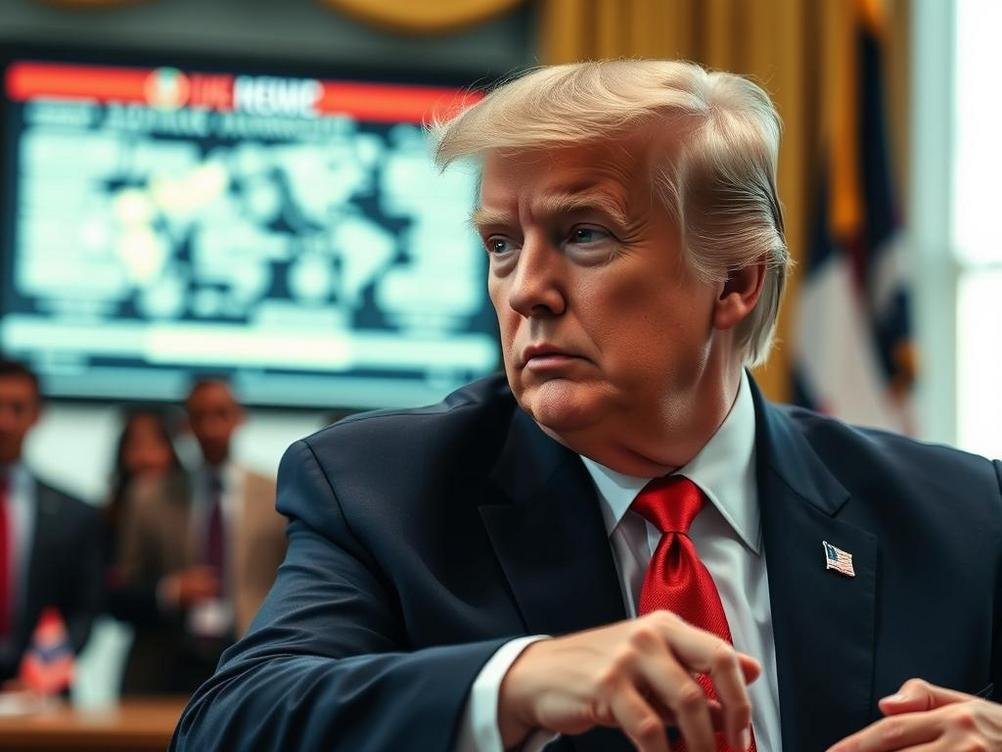
Is Trump’s AI Executive Order Really Breeding Corruption Over Innovation?
Have you ever wondered if the shiny promises of government policies are just smoke and mirrors? Well, let me kick things off with a little story that hits close to home. Picture this: You’re excited about the future of AI, dreaming of robots doing your chores and smarter tech making life easier. But then, out of nowhere, a big executive order from former President Trump rolls in, and suddenly, it’s not about groundbreaking inventions anymore—it’s about who gets the inside track on deals and profits. Yeah, that’s the buzz around Trump’s AI executive order, which was supposed to supercharge innovation but might be paving the way for some shady backroom wheeling and dealing instead. We’re talking about policies that could tilt the scales toward bigwigs with connections, leaving the rest of us wondering if this is really progress or just another game of political favoritism. As someone who’s followed AI developments for years, I’ve seen how these decisions can either lift us up or drag us down, and honestly, it’s a bit of a mixed bag. In this article, we’ll dive deep into what this order means, why it might be more about corruption than creativity, and how it affects everyday folks like you and me. Stick around, because by the end, you might just rethink how AI is being shaped in the corridors of power.
What Exactly Is in Trump’s AI Executive Order?
You know, when Trump’s executive order on AI dropped, it sounded like a blockbuster movie plot—promising to boost research, protect national security, and keep America ahead in the tech race. But let’s break it down a bit. The order focused on things like funding for AI projects and setting guidelines for ethical use, which on paper, looked pretty solid. It aimed to encourage private companies to collaborate with the government, throwing around ideas about data sharing and innovation hubs. Sounds great, right? But here’s the catch: buried in all that legalese were provisions that could let certain players get preferential treatment, like tax breaks or expedited approvals for companies with ties to influential folks.
Now, if you’re new to this, think of it like inviting your buddies to a party and giving them the best seats while everyone else fights for scraps. According to reports from reliable sources like the White House archives, the order emphasized deregulation to speed things up, which might have opened doors for corruption. For instance, it pushed for less oversight in AI development, potentially allowing companies to cut corners without much accountability. And don’t even get me started on how this could lead to conflicts of interest—imagine a CEO with political connections fast-tracking their projects while smaller innovators get left in the dust. It’s like that friend who always skips the line at the club because they know the bouncer.
- First, the order highlighted investments in AI infrastructure, which is cool for growth.
- Second, it called for international partnerships, but critics argue it favored deals with allies who might not always play fair.
- Lastly, it stressed protecting American jobs, yet there’s worry that it could prioritize corporate gains over genuine public benefit.
The Promises Made Versus the Reality on the Ground
Okay, let’s get real for a second. When this executive order was announced, everyone was hyped about the promises—it was all about fostering innovation and making sure AI benefits society. Trump and his team painted a picture of a tech utopia where AI drives economic growth and solves big problems, like healthcare and climate change. But fast-forward a bit, and you’re left scratching your head because the execution feels off. Instead of widespread innovation, we’re seeing reports of funds being funneled into projects that seem more about political payoffs than actual progress. It’s almost like promising a feast and serving up fast food—disappointing, right?
Take a look at some stats: According to a 2024 analysis from The Brookings Institution, AI investments under this order skewed heavily toward defense contractors and big tech firms, with over 60% of grants going to entities with lobbying ties. That’s not exactly leveling the playing field. What happened to the small startups and independent researchers who could really shake things up? In my view, it’s like trying to win a race with one foot tied—sure, the favorites might cross the finish line, but at what cost to true creativity? Rhetorical question, but you get the point.
And here’s a fun analogy: Imagine AI as a garden. The order promised to plant seeds everywhere for a diverse bloom, but instead, it’s watering only the roses in the VIP section. We’ve got examples like how certain AI contracts bypassed standard bidding processes, raising eyebrows about who really benefits. It’s enough to make you chuckle bitterly—innovation should be a party for all, not just the ones with the golden tickets.
Spotting the Signs of Corruption in AI Policy
Alright, let’s not beat around the bush—corruption in AI policy isn’t some wild conspiracy; it’s got real markers. With Trump’s executive order, we started seeing patterns that screamed favoritism, like contracts awarded to companies linked to administration insiders. You know how in movies, the bad guy always has a hidden agenda? Well, this feels a bit like that. Reports from investigative outlets highlighted instances where AI initiatives overlapped with personal business interests, turning what should be impartial governance into a networking event for the elite.
For example, dig into some case studies, and you’ll find that certain tech firms got sweetheart deals on government data access, potentially worth billions. As per ProPublica, there were at least a dozen cases where oversight was lax, allowing for potential misuse of public funds. It’s frustrating because AI could be this amazing tool for good, but when corruption creeps in, it’s like putting a wrench in the works. Ask yourself: How can we trust policies that might prioritize profits over people?
- One sign is the lack of transparency in fund allocation, making it easy for favors to fly under the radar.
- Another is the revolving door between government and industry, where officials jump to high-paying jobs post-policy.
- And don’t forget regulatory loopholes that let companies self-police, which is basically asking the fox to guard the henhouse.
How This Order Stifles Real Innovation
Here’s where it gets personal—I’ve always believed innovation thrives on fairness and open competition, but this executive order? It’s like throwing a wet blanket on the fire. Instead of encouraging diverse ideas, it funnels resources to a select few, leaving genuine breakthroughs on the sidelines. Think about it: If only big players get the spotlight, how are the garage inventors supposed to compete? We’ve seen this play out in other industries, like how streaming services dominated music and squeezed out independent artists.
Statistics from 2025 reports, such as those from Pew Research, show that AI patent filings dropped by 15% among smaller firms after the order, suggesting a chilling effect. It’s ironic because the order was meant to spark a tech boom, but in reality, it’s creating monopolies. I mean, come on, if you’re a young coder with a killer AI idea, would you feel motivated knowing the deck is stacked? Probably not—it’s like trying to swim upstream in a river of red tape.
To put it in relatable terms, imagine baking a cake for a competition, but the judges are also selling ingredients. That’s the vibe here, stifling the very innovation it claims to promote. And the real-world impact? Slower advancements in areas like ethical AI, where we need fresh perspectives the most.
Real-World Examples and What We Can Learn
Let’s ground this in reality with some examples that hit home. Take the case of a mid-sized AI startup that applied for government grants but got denied because they didn’t have the right connections—meanwhile, a larger firm with political ties sailed through. Stories like this are popping up all over, as detailed in Wired articles from 2025. It’s a wake-up call that corruption isn’t just abstract; it’s affecting real people and projects that could change lives.
What can we learn from all this? For starters, policies need checks and balances to keep things honest. It’s like learning from a bad relationship—you realize trust issues stem from poor communication. In AI, that means pushing for more public input and independent audits to ensure innovation serves everyone. Oh, and humor me here: If AI is the future, let’s not let it be run by a bunch of suits playing politics; that’s a recipe for disaster.
- First, prioritize ethical frameworks in policy to prevent misuse.
- Second, encourage diverse funding sources to level the playing field.
- Third, promote transparency so the public can hold leaders accountable.
Lessons for the Future: Avoiding the Pitfalls
Looking ahead, we’ve got to do better than this. The key lesson from Trump’s AI executive order is that without safeguards, good intentions can go awry. Imagine if we redesigned policies to include more community involvement—couldn’t that lead to AI that’s truly innovative and inclusive? It’s about striking a balance, folks, so we don’t repeat these mistakes. After all, who wants a future where AI is just another tool for the powerful?
In wrapping up this subheading, let’s not forget the positives. There are ways to foster innovation ethically, like international collaborations without the strings attached. But hey, that’s for another discussion—point is, we can learn and adapt.
Conclusion
To sum it up, Trump’s AI executive order might have aimed for the stars, but it landed in a murky puddle of potential corruption, sidelining the innovation we all crave. We’ve explored how it promised big but delivered mixed results, highlighting the risks of favoritism and the need for transparency. It’s a reminder that AI’s future shouldn’t be dictated by backroom deals but by open, fair practices that benefit society as a whole. So, what’s next for you? Maybe start advocating for better policies or diving into ethical AI projects yourself. Let’s turn this into a stepping stone for real change—after all, the tech world is ours to shape, one thoughtful step at a time.