dailytech.ai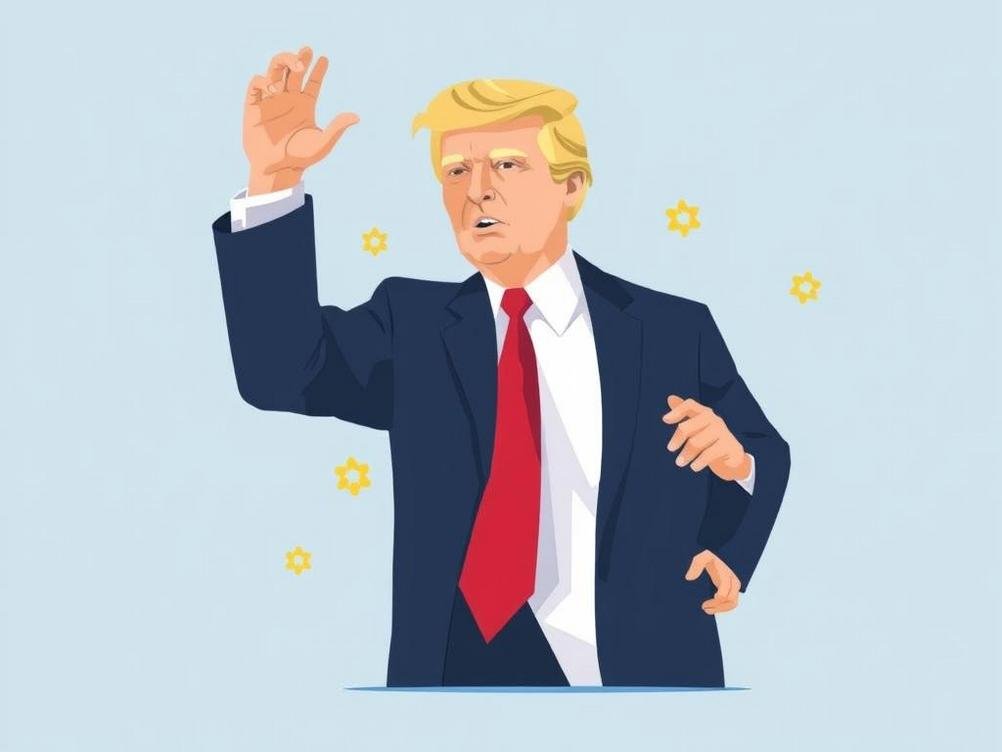
Trump’s AI Power Play: Could Minnesota’s Rules Get Ousted?
Imagine this: You’re sitting at your kitchen table, sipping coffee, and scrolling through the news when you see headlines about President Trump gearing up to sign an executive order on AI. It’s like that moment in a thriller movie where the plot twist hits—suddenly, everything you thought was stable could flip upside down. This isn’t just another political headline; it’s a real shake-up that could pit federal might against state-level smarts, especially in Minnesota, where they’ve been quietly building some solid AI regulations. As someone who’s followed AI’s wild ride from sci-fi dreams to everyday reality, I can’t help but chuckle at the irony. Here we are in 2025, and instead of AI taking over the world, it’s politicians drawing battle lines over how to handle it. But seriously, what if this order messes with Minnesota’s carefully crafted rules? It raises some big questions about innovation, safety, and who really calls the shots in the AI game. Think about it—AI is already everywhere, from your smart home devices to job algorithms, and now it’s caught in a tug-of-war between D.C. and the Midwest. In this article, we’ll dive into the details, explore the potential fallout, and maybe even laugh a little at how messy policy-making can get. Buckle up, because this could change how we all interact with AI moving forward.
What Exactly is Trump’s AI Executive Order All About?
You know how presidents love to drop executive orders like they’re mic drops? Well, Trump’s latest one on AI is stirring up a storm. From what I’ve pieced together, it’s aiming to streamline federal AI use, maybe pushing for more innovation while slapping on some national security checks. It’s not fully detailed yet, but rumors suggest it could override or conflict with state laws, which is where Minnesota comes in. Picture this as a big brother stepping in to tell the little siblings how to play in the sandbox—sometimes helpful, sometimes a total buzzkill. I mean, who doesn’t love a good power play? But let’s get real: AI has exploded in the last few years, and without proper rules, we could see everything from biased algorithms in hiring to privacy nightmares.
One key part that’s got people talking is how this order might prioritize federal standards over state ones. Minnesota, for instance, has been ahead of the curve with regulations around data privacy and AI ethics, especially in healthcare and education. If Trump’s order forces a one-size-fits-all approach, it could mean watering down those protections. It’s like trying to fit a square peg into a round hole—sure, it might work, but it’ll probably leave some gaps. And hey, as someone who’s dabbled in AI projects, I get the excitement of pushing boundaries, but we need to keep things fair and safe. According to a recent report from the Brookings Institution, over 60% of states have some form of AI legislation, so this isn’t just about Minnesota; it’s a nationwide puzzle.
To break it down simply, here’s a quick list of what the order might cover:
- Boosting federal investment in AI research and development.
- Setting national guidelines for AI safety and ethics.
- Potentially preempting state laws that don’t align with federal priorities.
- Encouraging partnerships between government and tech giants like Google or Microsoft—links you can check out at Google AI or Microsoft AI to see how they’re involved.
Minnesota’s AI Rules: The Unsung Heroes of Tech Regulation
Let’s give credit where it’s due—Minnesota has been playing it smart with AI regulations. They’ve got laws on the books that focus on things like consumer protection, especially when it comes to data usage in AI systems. For example, their approach to AI in healthcare ensures that algorithms don’t discriminate based on race or income, which is a big deal in a state with diverse communities. I remember reading about how Minnesota’s data privacy act, passed a couple years back, was inspired by real-world screw-ups, like those facial recognition mishaps that led to wrongful arrests. It’s like the state said, ‘Alright, we’ve seen enough sci-fi horror stories; let’s put some guardrails in place.’
What’s cool about Minnesota’s rules is how they balance innovation with caution. They encourage businesses to adopt AI without turning into a free-for-all. Think of it as a referee in a soccer game—keeping things fair so no one gets steamrolled. According to stats from the Minnesota Department of Commerce, AI-related jobs have grown by over 20% in the past three years, showing how these regulations haven’t stifled progress; they’ve actually helped build trust. If Trump’s order upends this, it could mean businesses scrambling to adapt, potentially slowing down that growth. Honestly, it’s a bit like watching your favorite team lose a key player mid-season—disruptive and frustrating.
And here’s another angle: Minnesota’s emphasis on ethical AI isn’t just talk. They’ve got initiatives that require transparency in AI decision-making, which is crucial for things like loan approvals or hiring tools. In a world where AI can sometimes feel like a black box, that’s refreshing. If you’re curious about how this plays out, check out Minnesota’s official site for more details at mn.gov/commerce.
Why This Could Spell Trouble for Minnesota’s Setup
Now, let’s get to the juicy part: the fears that Trump’s executive order might knock Minnesota’s regulations off kilter. It’s not hard to see why people are worried—federal orders can override state laws, especially if they’re framed as national security issues. Imagine if your state house rules get bulldozed by Washington; it’s like the big kids taking all the toys. In Minnesota, that could mean less stringent protections for personal data, which hits hard in a place where privacy is a hot topic. I’ve got friends up there who work in tech, and they’re already rolling their eyes, saying, ‘Great, more red tape from D.C.’
One real-world example is how AI in autonomous vehicles is regulated. Minnesota has specific guidelines to ensure safety on their roads, but if the federal order loosens those, we might see more accidents or delays in testing. Statistics from the National Highway Traffic Safety Administration show that AI-related vehicle issues have risen by 15% nationally, so states like Minnesota are right to be cautious. This isn’t just about red tape; it’s about real people. Rhetorical question: Do we really want to risk lives for the sake of ‘faster innovation’?
To put it in perspective, let’s list out the potential risks:
- Laxer federal standards could weaken Minnesota’s consumer protections, leading to more data breaches.
- Businesses might face conflicting requirements, causing confusion and higher costs.
- Innovation could stall if states pull back on their own rules to avoid clashes.
- It might set a precedent for other federal overreaches, affecting everything from education to healthcare AI.
The Hype and Hysteria: Why Everyone’s Losing Their Cool
Okay, let’s admit it—people are freaking out over this for good reason, but there’s also a dash of hysteria. Trump’s announcement has sparked debates everywhere, from Twitter threads to late-night talk shows. It’s like that friend who overreacts to every little thing, but in this case, the stakes are high. Critics argue that a one-size-fits-all AI policy ignores regional differences, such as Minnesota’s focus on rural tech access versus big-city hubs. I mean, come on, not every state deals with the same issues; Minnesota’s got its fair share of winter woes that AI could help with, like better snowplow tech.
From a humorous angle, imagine AI regulations as a bad blind date—sometimes they clash spectacularly. But seriously, the fears aren’t unfounded. Organizations like the Electronic Frontier Foundation have been vocal, warning that federal preemption could erode civil liberties. Their site, eff.org, is a goldmine for understanding these concerns. It’s all about striking a balance, and if Trump’s order tips the scales, we might see protests or legal battles. As someone who’s seen AI evolve, I think it’s wild how quickly this tech went from lab experiments to policy nightmares.
And don’t forget the human element. AI isn’t just code; it’s impacting jobs, privacy, and daily life. In Minnesota, where manufacturing and healthcare drive the economy, an executive order could mean job losses if companies relocate to more AI-friendly states. That’s not funny—it’s a real headache.
Balancing the Scales: Federal vs. State AI Policies
So, how do we make sense of this federal-state showdown? It’s like trying to juggle while riding a bike—tricky, but not impossible. On one hand, a unified federal approach could speed up AI adoption, making the U.S. more competitive globally. Think about how China’s AI investments are surging; we need to keep up. But on the other, states like Minnesota have tailored solutions that fit their communities better. It’s a classic tug-of-war, and I’m rooting for common sense to win out.
Let’s weigh the pros and cons in a straightforward list:
- Pros of federal oversight: Standardized rules could reduce confusion for businesses and boost innovation, potentially adding billions to the economy, as per World Economic Forum reports.
- Cons: It might stifle state innovation, like Minnesota’s creative use of AI in environmental monitoring.
- Pros for states: Allows for localized solutions, such as Minnesota’s AI ethics boards that include community input.
- Cons: Leads to a patchwork of laws that could hinder national progress.
In the end, it’s about finding middle ground. Maybe Trump’s order could incorporate state ideas, turning potential conflict into collaboration. After all, AI doesn’t care about borders; it’s up to us to handle it wisely.
What’s Next on the AI Horizon?
Looking ahead, this executive order is just the tip of the iceberg. By 2026, AI is projected to influence everything from elections to everyday apps, so how we handle this now matters a ton. Minnesota might push back with lawsuits or new legislation, creating a ripple effect across the country. It’s like watching a domino setup—one fall could topple the rest. Personally, I’m hopeful that this sparks better dialogue, maybe even leading to a national AI commission that includes state voices.
For folks in Minnesota, keep an eye on your local reps; they could be key in shaping the response. And if you’re into AI, sites like futureoflife.org offer great insights on global trends. Who knows? This could be the catalyst for smarter, more inclusive AI policies that benefit everyone.
One metaphor to chew on: AI regulation is like gardening—you need the right mix of sun, water, and weeds pulled, or everything gets overgrown. With Trump’s move, we’re in the weeding phase, and Minnesota’s got some prime soil to protect.
Conclusion
Wrapping this up, Trump’s potential AI executive order is a wake-up call that highlights the ongoing dance between federal power and state rights. We’ve seen how it could disrupt Minnesota’s thoughtful regulations, but it also opens doors for nationwide improvements. At the end of the day, AI’s future isn’t just about tech; it’s about people, privacy, and progress. If we play our cards right, this could lead to a stronger, more balanced approach that keeps innovation humming without sacrificing safety. So, let’s stay engaged, keep the conversation going, and maybe even find a way to laugh at the chaos. After all, in the world of AI, the only constant is change—here’s to navigating it wisely in 2025 and beyond.