dailytech.ai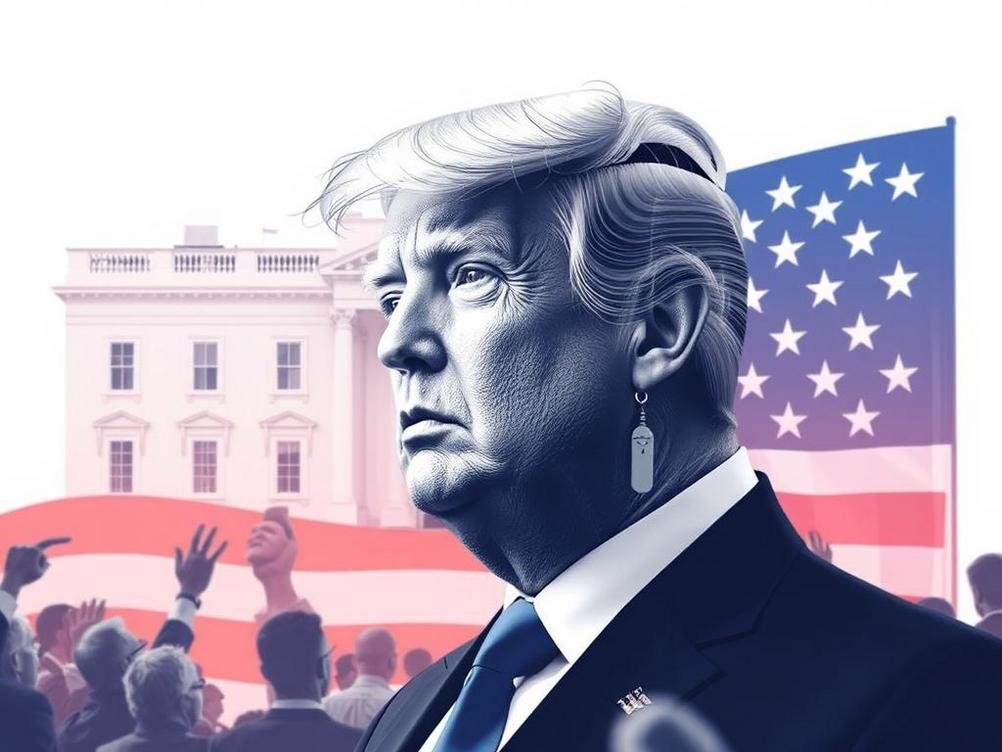
How Trump’s Bold Move Could Upend AI Rules in America
Imagine this: You’re sitting at home, scrolling through your phone, and suddenly you hear about a bigwig in Washington deciding that states can’t play referee in the wild world of AI. Yeah, that’s exactly what went down when former President Trump signed an order blocking states from enforcing their own AI regulations. It’s like that time your neighborhood decided to set a speed limit, but the feds swooped in and said, ‘Nah, we’re taking over.’ Kinda funny how politics always finds a way to mess with tech, right? This whole thing has folks buzzing because AI isn’t just some sci-fi gadget anymore—it’s in everything from your smart fridge to job interviews, and now the rules might be getting a major overhaul. But here’s the real kicker: Does this mean we’re heading toward a one-size-fits-all AI policy, or could it stifle innovation in places that actually need to adapt? As someone who’s followed tech trends for years, I can’t help but wonder if this is a step forward or just another bureaucratic tangle. Let’s dive into what this order really means for us everyday folks, the tech industry, and maybe even your next AI-powered coffee maker. By the end, you’ll see why this isn’t just political noise—it’s about shaping the future of how AI touches our lives, for better or worse.
What Exactly Did Trump Sign, and Why Should You Care?
Okay, so let’s break this down without getting too bogged down in legalese. From what I can tell, this executive order basically tells states to back off from making their own rules on AI stuff like data privacy, algorithm biases, or even how AI is used in healthcare. It’s like the federal government saying, ‘We’ve got this,’ while states like California or New York, which have been pushing for tougher local laws, are left scratching their heads. I mean, think about it—states have always been the labs of democracy, testing out ideas before they go nationwide. But now, with this order, it’s all hands to the federal wheel.
Why should you care? Well, if you’re someone who relies on AI for work, entertainment, or even just avoiding spam emails, this could change how tech companies operate. For instance, a state might have wanted to ban certain AI-driven facial recognition tools because of privacy concerns, but now that’s off the table. It’s reminiscent of that old saying, ‘Too many cooks spoil the broth,’ except here the cooks are lawmakers, and the broth is our digital lives. According to a 2024 report from the Brookings Institution, about 40% of states were drafting their own AI bills, so this order could put a real dent in that momentum. Not to mention, it might save businesses some headaches by standardizing rules, but at what cost?
On a lighter note, picture this: Your state governor tries to regulate AI chatbots to make them less creepy, but then the feds step in like, ‘Hold up, we’re handling the creepiness.’ It’s almost comical, but seriously, this could lead to a patchwork of enforcement—or lack thereof—that affects everything from job markets to social media feeds.
The Bigger Picture: Why AI Regulations Matter in the First Place
You know, AI isn’t just about robots taking over; it’s about making sure those robots don’t mess up our world in the process. Regulations are like the guardrails on a highway—they keep things from veering off into chaos. This order from Trump highlights a key debate: Should AI be regulated at the federal level for uniformity, or do states need the flexibility to handle local issues? For example, in rural areas, AI might be used for farming tech, while in big cities, it’s all about traffic management. Without state-level rules, we might end up with one big federal blanket that doesn’t fit anyone perfectly.
Let’s throw in some real-world stats to spice this up. A study by Gartner last year predicted that by 2026, AI regulations could influence over $7 trillion in global IT spending. That’s a massive number, folks—think of it as the equivalent of buying every pizza in New York for a decade. But if states can’t enforce their own rules, companies might slack off on things like ethical AI development. Remember those stories about biased AI in hiring processes, where algorithms favored certain demographics? States were starting to crack down on that, but now it’s like the feds are saying, ‘We’ll get to it eventually.’
- One pro: Streamlined regulations could speed up innovation, letting companies like Google or OpenAI push forward without jumping through hoops in every state.
- Another angle: It might prevent a ‘race to the bottom,’ where states compete by loosening rules to attract businesses.
- But on the flip side, what if federal priorities don’t align with local needs? For instance, a state dealing with AI in agriculture might get overshadowed by broader national security concerns.
States vs. Feds: A Tale of Power Struggles and Shenanigans
Ah, the eternal showdown between states and the federal government—it’s like that sibling rivalry where one always thinks they’re in charge. This order is Trump’s way of centralizing control, but it’s got states’ rights advocates up in arms. Picture this metaphor: It’s as if the family decides Dad gets to make all the rules, even though Mom knows the kids better. In reality, this could lead to legal battles, with states challenging the order in court. After all, the Constitution gives states a lot of leeway on issues not explicitly federal.
Take California, for example—they’ve got some of the strictest AI and data privacy laws, like the California Consumer Privacy Act (which you can read more about here). If this order sticks, it might water those down, affecting millions. And let’s not forget Texas, which has been pushing for AI in energy sectors. It’s hilarious how politics turns everything into a game of tug-of-war, but seriously, this could redefine federalism in the digital age.
From a historical angle, we’ve seen similar dust-ups with environmental regs or healthcare. If you’re into that, check out how the Supreme Court has handled state vs. federal clashes in the past—it’s a wild ride. The point is, this isn’t just about AI; it’s about who calls the shots in our increasingly tech-driven society.
The Upsides: Could This Actually Be a Good Thing?
Alright, let’s play devil’s advocate for a sec. Maybe this order isn’t all bad—after all, a unified federal approach could cut through the confusion. Imagine trying to navigate 50 different sets of AI rules; it’s like herding cats while juggling chainsaws. With the feds in charge, tech firms might get clearer guidelines, speeding up development and keeping America competitive globally. For instance, if we’re racing against China in AI tech, a fragmented system could hold us back.
Plus, think about the economic boost. The White House estimates that streamlined AI policies could add billions to the GDP—I’m talking real money, like enough to fund a fleet of those self-driving cars we’ve all heard about. And for consumers, it might mean better protection overall, as federal agencies like the FTC could step in with more resources. It’s like upgrading from a local sheriff to a national SWAT team for tech oversight.
- First off, innovation could surge without the red tape of varying state laws.
- Secondly, it might encourage more investment, as companies won’t have to worry about compliance nightmares in every corner of the country.
- Lastly, on a personal level, you might see faster advancements in AI helpers, like virtual assistants that actually understand your weird sense of humor.
The Downsides: What Could Go Wrong Here?
Now, flip the coin, and things get a bit dicey. If states lose their say, we might end up with regulations that don’t account for regional differences. For example, in a place like Nevada, where AI is big in gaming and entertainment, local tweaks could ensure fairness in algorithms used for online casinos. Without that, we could see overreach or underreach from the feds, leaving gaps for misuse.
Statistics wise, a Pew Research survey from earlier this year showed that 60% of Americans want more local control over tech issues. That’s a lot of people feeling like their voices might get drowned out. And let’s not forget the potential for corporate lobbying to influence federal rules more than state ones—it’s like the big dogs getting to write the rulebook. If you’re worried about AI ethics, this could mean slower progress on things like preventing deepfakes or algorithmic biases.
Here’s a fun analogy: It’s as if you’re playing a video game, and suddenly the game master changes the rules mid-level, leaving you scrambling. In real terms, this could impact industries from healthcare AI (check out advancements at IBM Watson) to education, where states might have wanted to regulate AI tutors for equity.
What’s Next? Peering into the AI Regulation Crystal Ball
So, where does all this leave us? With Trump signing this order, we’re probably in for a wave of debates, lawsuits, and maybe even some bipartisan hand-wringing. Experts predict that by 2026, we’ll see new federal AI frameworks emerging, but states might fight back through Congress or the courts. It’s like watching a soap opera unfold in real time—drama, twists, and all.
For the average Joe, keep an eye on how this affects your daily tech interactions. Will your social media feeds get wilder without state-level checks? Or could it lead to breakthrough innovations that make life easier? Organizations like the Electronic Frontier Foundation (visit their site for more) are already weighing in, pushing for balanced approaches.
- Watch for congressional hearings that could refine or overturn this order.
- Stay tuned to how international allies respond, since AI regs often tie into global trade.
- And hey, get involved—write to your reps or join online discussions to make your voice heard.
Conclusion: Wrapping It Up with a Call to Action
In the end, Trump’s order on AI regulations is a game-changer that could either streamline our tech future or create a mess of unintended consequences. It’s fascinating how one signature can ripple through industries, affecting everything from your smart home devices to job security. We’ve seen throughout history that when tech and politics collide, it’s the people who ultimately shape the outcome—so don’t just sit back and watch. Get curious, get informed, and maybe even get a little feisty about it. After all, in a world where AI is becoming as common as coffee, your input could help steer us toward a brighter, fairer digital horizon. Let’s keep the conversation going—who knows, your ideas might just influence the next big policy shift.