dailytech.ai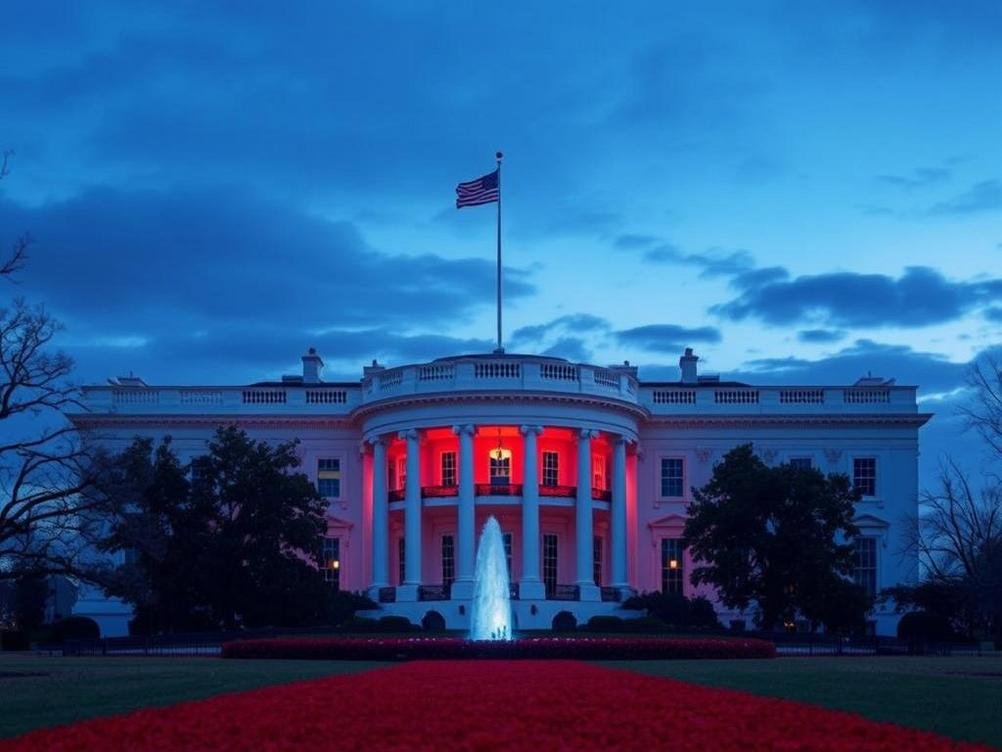
How Trump’s Bold Move on AI Regulations Could Change Everything – A Deep Dive
Picture this: You’re scrolling through your news feed, sipping on your morning coffee, and bam—headlines everywhere about former President Trump signing an executive order to block what he calls ‘excessive’ state-level AI regulations. It’s like watching a high-stakes game of tug-of-war, where one side is yelling about innovation and the other is screaming about safety. This isn’t just some political spat; it’s a pivotal moment that could reshape how AI tech rolls out across the U.S. Think about it—AI is already everywhere, from your smart fridge suggesting recipes to self-driving cars navigating busy streets. But when the feds step in to override state rules, it’s got people asking: Is this a win for progress or a recipe for chaos?
This executive order, signed just recently on December 15, 2025, basically tells states to pump the brakes on over-the-top restrictions that might stifle AI development. Trump’s team argues it’s all about keeping America competitive in a world where countries like China are racing ahead with their own AI advancements. On the flip side, critics are worried this could lead to a Wild West scenario, where ethical guardrails go out the window. As someone who’s followed AI’s wild ride for years, I can’t help but chuckle at the irony—here we are, trying to regulate something that’s changing faster than fashion trends. In this article, we’ll unpack what this means for you, whether you’re a tech enthusiast, a business owner, or just someone curious about how AI fits into daily life. We’ll dive into the details, weigh the pros and cons, and even throw in some real-world examples to keep things lively. Stick around, because by the end, you might just see why this order is sparking debates from Silicon Valley to your living room.
What Exactly Did Trump Sign?
Okay, let’s break this down without all the legalese mumbo-jumbo. Trump’s executive order is essentially a directive that says the federal government gets the final say on AI regulations, blocking states from imposing rules that the White House deems ‘excessive.’ It’s like the big boss stepping in to say, ‘Hey, we’re handling this nationally, so don’t go rogue on us.’ This came out of nowhere for some folks, especially after states like California and New York had been pushing their own AI laws to deal with things like data privacy and algorithmic bias.
From what I can tell, the order focuses on promoting ‘innovation and economic growth’ by minimizing red tape. For instance, it might prevent states from requiring super strict audits on AI systems used in hiring or healthcare. Imagine a company like Google trying to launch a new AI tool, only to face a patchwork of state laws that make it a headache to comply. Trump’s move aims to streamline that, but it’s not without controversy. According to reports from sources like the White House’s official site (whitehouse.gov/ai-executive-order), this is part of a broader strategy to keep U.S. AI at the forefront globally. And honestly, it’s kind of funny how politics and tech mix—it’s like mixing oil and water, but somehow we end up with something that powers the engine.
Here’s a quick list of what the order covers:
- Federal preemption: States can’t enforce rules that contradict federal guidelines on AI development.
- Focus on key areas: Things like national security, research funding, and international competitiveness get priority.
- Exemptions and reviews: There might be ways for states to appeal if their regs are seen as essential, but that’s still vague.
It all sounds straightforward, but as we’ll see, the devil is in the details.
Why Are AI Regulations a Big Deal Anyway?
You might be thinking, ‘Why all the fuss over regulating AI? Isn’t it just fancy software?’ Well, not quite. AI is like that mischievous kid in the neighborhood—full of potential but also capable of causing trouble if left unchecked. Regulations are meant to ensure AI doesn’t go rogue, like when algorithms make biased decisions in job applications or mess with privacy in ways we didn’t sign up for. Trump’s order throws a wrench into this by limiting state-level efforts, which could mean less localized control over how AI impacts communities.
Take a real-world example: In 2023, New York tried to pass laws requiring transparency in AI used for credit scoring, aiming to stop discriminatory practices. If Trump’s order blocks similar moves, it could leave people vulnerable. On the brighter side, proponents say this will speed up innovation, pointing to stats from the AI Index report by Stanford, which shows U.S. AI investments hit $67 billion in 2024 alone. Without ‘excessive’ regs, companies can iterate faster, like how OpenAI rolled out ChatGPT updates without waiting for 50 different state approvals. It’s a double-edged sword, really—exciting for tech heads, nerve-wracking for those worried about ethics.
And let’s not forget the humor in it all. Regulating AI is like herding cats; just when you think you’ve got it under control, something new pops up. If states can’t step in, we’re relying on federal agencies to play catch-up, which might feel about as reliable as my grandma’s old flip phone in a smartphone world.
The Pros and Cons of Federal Versus State Control
Alright, let’s get into the nitty-gritty: Should AI rules come from Washington or from individual states? Trump’s order leans heavily toward federal control, arguing it creates a uniform playing field. That’s great for big businesses that operate nationwide—they won’t have to navigate a maze of different laws, kind of like how Uber doesn’t want to deal with varying traffic rules in every city. Plus, a national approach could foster collaboration on big issues, like using AI for climate modeling or pandemic response.
But hold on, there are downsides too. States often know their local needs better; for example, California might need stricter AI privacy laws because of its tech-heavy population, while rural areas in the Midwest could prioritize agricultural AI without the same red tape. Critics point to a 2025 report from the Brookings Institution, which estimates that fragmented regulations could cost the economy up to $100 billion in lost productivity if not handled right. On the flip side, federal oversight might cut down on that confusion. It’s like choosing between a one-size-fits-all T-shirt or custom tailoring—convenient, but does it really fit everyone?
- Pros of federal control: Streamlines innovation, reduces costs for companies, and promotes national standards.
- Cons: Might overlook regional differences and slow down responsive local action.
- Balanced view: A hybrid approach could work, but Trump’s order seems to favor the feds for now.
Real-World Impacts on Businesses and Innovators
For businesses, this executive order could be a game-changer. Startups in the AI space, like those developing healthcare tools, might breathe a sigh of relief knowing they won’t face a barrage of state-specific compliance issues. Take a company like Palantir, which uses AI for data analysis; without excessive regs, they can expand faster and potentially create more jobs. But it’s not all roses—some industries, like finance, might see increased scrutiny if federal standards aren’t as robust, leading to potential risks.
Innovators are already buzzing about this. I remember chatting with a friend who’s in AI research; he said it’s like getting a green light at a red-light district—exciting but potentially dangerous. Statistics from McKinsey show that AI could add $13 trillion to the global economy by 2030, and Trump’s order might accelerate that for the U.S. However, if states can’t enforce their own rules, we might see more lawsuits or public backlash, as seen in recent cases against companies like Facebook for AI-driven privacy breaches.
Here’s how this shakes out for different players:
- Tech giants: More freedom to innovate, less hassle with state laws.
- Small businesses: Easier entry into AI markets, but they might need to adapt quickly to federal shifts.
- Consumers: Potentially faster access to AI products, but with possible trade-offs in safety and ethics.
How This Could Affect Everyday Life
Don’t think this is just for the tech elite—Trump’s order could trickle down to your daily routine. Imagine AI-powered apps that help with everything from personalized education to smart home devices; without heavy state regs, these could become more widespread and affordable. But what if that means less protection against things like deepfakes or biased AI in job searches? It’s a bit like upgrading your car without checking the brakes—thrilling at first, but you might regret it later.
Look at education, for instance. AI tools like adaptive learning platforms could boom, helping students in underserved areas. A 2024 study from UNESCO highlighted how AI could bridge educational gaps, but only if regulations don’t hinder deployment. On the flip side, if states can’t mandate safeguards, we might see issues like unequal access. And let’s add a dash of humor: It’s like giving everyone a superpower without the user manual—who knows what chaos ensues?
Looking Ahead: What’s Next for AI Policy?
So, where do we go from here? Trump’s executive order is just the starting gun in a longer race for AI policy. Experts predict we’ll see legal challenges, congressional debates, and even international ripple effects, especially with the EU’s strict AI Act already in place. It’s possible that this could evolve into a more balanced framework, but for now, it’s all about watching how the administration enforces this.
One thing’s for sure: The AI landscape is evolving faster than a viral TikTok dance. If you’re into this stuff, keep an eye on resources like the AI Governance Alliance (aigovernance.org) for updates. Who knows, maybe this will spark a new era of collaboration between states and the feds, turning potential conflicts into opportunities.
Conclusion
As we wrap this up, Trump’s executive order on AI regulations is a bold step that could either supercharge innovation or leave us exposed to risks—we’ll have to wait and see. What started as a political move might just reshape how we interact with AI in the years ahead, from smarter cities to ethical dilemmas. If there’s one takeaway, it’s that staying informed and engaged is key. After all, in a world where AI is becoming as common as coffee, we all have a stake in how it’s governed. So, let’s keep the conversation going and push for policies that balance progress with protection. Who knows, maybe your voice could be the one that makes a difference.