dailytech.ai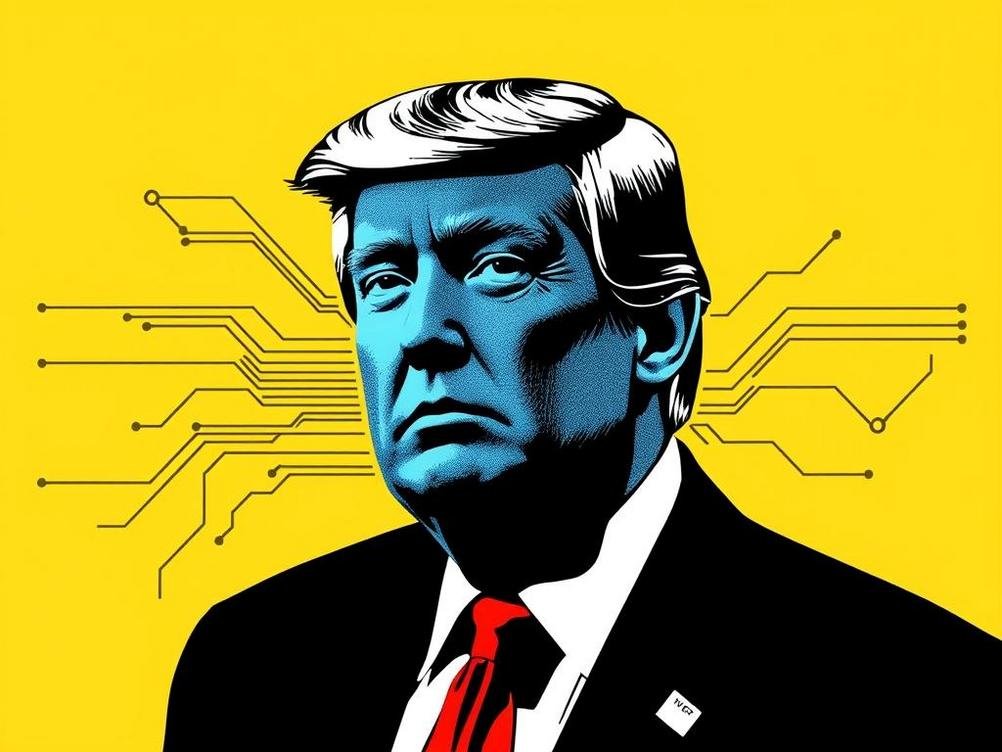
How Trump’s Bold Move on AI Could Reshape Regulations – The Good, the Bad, and the Algorithmic
Picture this: You’re sitting at your desk, sipping coffee, when you hear the news that former President Trump has signed an executive order basically telling states to back off from slapping rules on AI. It’s like a plot twist in a sci-fi movie where the hero decides to let the robots run wild – but is this really the freedom we need? As someone who’s been knee-deep in tech trends for years, I’ve got to say, this order aims to stop states from over-regulating AI, pushing for a more unified federal approach instead. It’s sparked a ton of debate, with folks arguing it could spark innovation or lead to a Wild West of unchecked tech. Honestly, it’s got me thinking about how AI is already woven into our everyday lives, from the apps that recommend your next Netflix binge to the chatbots that help you shop online. But let’s dive deeper – is this a game-changer or just another political ping-pong match?
This executive order, signed back in what feels like a whirlwind of policy shifts, is all about preventing a patchwork of state-level rules that could stifle AI’s growth. Imagine if every state had its own speed limits for cars – chaos, right? Well, that’s what Trump’s team is trying to avoid with AI. They’re arguing that a one-size-fits-most federal framework will let companies innovate faster without jumping through hoops in every corner of the country. But here’s the kicker: while it might sound liberating, it’s also raising eyebrows about potential risks, like privacy breaches or biased algorithms going unchecked. As we barrel towards 2026, this could be the spark that lights up the AI revolution or, you know, the one that sets off a firestorm of lawsuits. I’ve chatted with a few developers who are thrilled about less red tape, but others are worried it might open the door to some shady practices. So, grab a snack and let’s unpack this messy but fascinating topic – because if AI is the future, we need to get its governance right.
What Exactly Is in This Executive Order?
Okay, let’s break it down without making your eyes glaze over. The order basically directs federal agencies to step in and create a standardized set of guidelines for AI, effectively telling states to chill out on their own regulations. It’s not like Trump’s waving a magic wand to ban all rules – more like he’s saying, “Hey, let’s not have 50 different versions of the same law.” From what I’ve read on sites like whitehouse.gov, it’s focused on promoting AI research and development while minimizing what they call ‘fragmented’ oversight. Think of it as the government playing referee in a game that’s gotten way too chaotic.
One key part is that it encourages collaboration between the feds and private sectors, which sounds great on paper. For instance, it might mean big tech companies get more leeway to test new AI models without state-by-state approvals. But here’s a funny thought: it’s a bit like telling kids they can eat candy all day as long as Mom approves the recipe. Sure, it might lead to some sweet innovations, but what if it gives rise to a sugar rush of problems? In practice, this could affect everything from self-driving cars to medical AI tools, potentially speeding up approvals for stuff like advanced diagnostics in healthcare.
- First off, it prioritizes national security, meaning AI used in defense or critical infrastructure gets a fast track.
- Secondly, it pushes for ethical guidelines, though critics say it’s vague – like asking for a diet plan without specifying calories.
- Lastly, it aims to protect innovation hubs, such as Silicon Valley, by reducing bureaucratic delays.
Why This Could Be a Win for AI Innovation
You know, innovation thrives when it’s not bogged down by red tape, and this order might just be the boost the AI world needs. Imagine you’re a startup founder trying to launch an AI-powered app that predicts weather patterns better than your grandma’s aching knee – state regulations could have you filling out forms forever. By centralizing control, Trump’s order could cut through that noise, letting creators focus on building cool stuff instead. I’ve seen stats from reports on mckinsey.com showing that overly strict regulations have slowed AI adoption by up to 20% in some sectors, so this could be a game-changer for economic growth.
Take, for example, how AI is revolutionizing agriculture. Farmers could use drones with AI to optimize crops, but if every state has different rules, it’s a nightmare. This order might streamline that, allowing for quicker tech rollouts. And let’s not forget the humor in it – it’s like finally getting a universal charger for all your gadgets; no more fumbling with adapters. Plus, with the global AI market projected to hit trillions by 2030, according to various forecasts, this could position the US as a leader, not a laggard.
- It opens doors for faster R&D, potentially leading to breakthroughs in areas like personalized medicine.
- Businesses might see reduced costs, as they’ll deal with one set of rules instead of many.
- There’s even a chance for more jobs in AI, with experts estimating hundreds of thousands of new roles by 2027.
The Potential Downsides and Risks We Can’t Ignore
Alright, let’s pump the brakes a bit. While this sounds all rosy, there are some glaring risks that could turn this into a headache. For starters, without strong state-level oversight, we might end up with AI systems that are as reliable as a chocolate teapot. Think about bias in algorithms – if not regulated properly, we could see more cases like that infamous facial recognition software that misidentified people of color. Critics, including privacy advocates, are worried this order might let big tech off the hook, leading to data breaches or misuse of personal info. It’s like giving a kid the keys to the candy store without any supervision.
From what I’ve gathered, states like California have been leading the charge on AI ethics, and this could undermine that. For instance, if a state wants to protect consumer data more stringently, this order might override those efforts. And don’t even get me started on the environmental impact – AI data centers guzzle energy, and without local regs, we might see unchecked expansion. A report from epa.gov highlights how AI could add to carbon footprints, so this is no small potatoes.
- First, increased privacy risks could erode public trust in AI technologies.
- Second, without diverse regulations, we might miss out on tailored solutions for regional issues, like AI in disaster response for earthquake-prone areas.
- Third, it could spark legal battles, as states fight back against federal overreach.
How This Stacks Up Against Global AI Regulations
Now, let’s zoom out and see how the US is playing on the world stage. Countries like the EU have already rolled out strict AI laws, such as their AI Act, which is all about risk assessments and human rights. Trump’s order, in contrast, feels like the US is saying, “We’ll do it our way,” which might make us look like the rebellious teen at a family dinner. From my perspective, it’s interesting because while the EU is tightening the screws, this could give American companies a competitive edge by allowing faster deployments. But is that sustainable? Probably not, if it leads to international friction.
For example, if US AI exports don’t meet global standards, we could face trade barriers. Think about how China’s AI regulations are more state-controlled, creating a different beast altogether. According to analyses on brookings.edu, the US needs to balance innovation with ethics to stay ahead. It’s like a high-stakes game of chess – one wrong move, and you’re outmaneuvered. Personally, I hope this sparks some cross-border collaboration rather than isolation.
- The EU’s approach emphasizes transparency, something this order glosses over.
- In Asia, countries like Japan are focusing on AI for societal good, which aligns with some aspects here.
- Globally, this could influence how other nations regulate AI, for better or worse.
What This Means for Businesses and Everyday Users
If you’re a business owner or just a regular Joe using AI in your daily grind, this order could be a double-edged sword. On one hand, companies might enjoy fewer hurdles, leading to quicker product launches and more investment. I mean, who wouldn’t want their AI chatbot to evolve faster? But on the flip side, users could face more uncertainty about how their data is handled. It’s like upgrading your phone only to find out the new features come with hidden trackers – exciting yet spooky.
Real-world example: A small business using AI for customer service might benefit from streamlined updates, but without state protections, they could expose themselves to lawsuits if things go south. And for users, this might mean more personalized experiences, like tailored shopping recommendations, but at what cost to privacy? As we head into 2026, keeping an eye on how this plays out will be key.
- Businesses could see cost savings and faster growth opportunities.
- Users might need to be more vigilant about data security.
- This could encourage more AI education to help people navigate the changes.
Looking Ahead: The Future of AI Governance
As we wrap up this chat, it’s clear that AI governance is evolving faster than a viral TikTok dance. Trump’s executive order is just one chapter in a much larger story, and who knows what twists are coming next? With elections and tech advancements on the horizon, we might see refinements or even reversals. I’ve got a feeling this will push for more public discourse, which is a good thing – after all, AI isn’t going anywhere.
In the end, it’s about striking a balance between innovation and responsibility. Whether you’re a tech enthusiast or a skeptic, staying informed is your best bet. So, keep an eye on developments, because the way we handle AI today will shape tomorrow’s world.
Conclusion
To sum it up, Trump’s executive order on AI regulation is a bold step that could turbocharge innovation but also invites risks we can’t afford to ignore. It’s sparked conversations about federal versus state power, global comparisons, and the everyday impact on users and businesses. As we move forward, let’s hope this leads to smarter, more ethical AI development. After all, in a world where algorithms are calling the shots, we need to make sure they’re working for us, not against us. What’s your take? Drop a comment below – I’d love to hear it!