
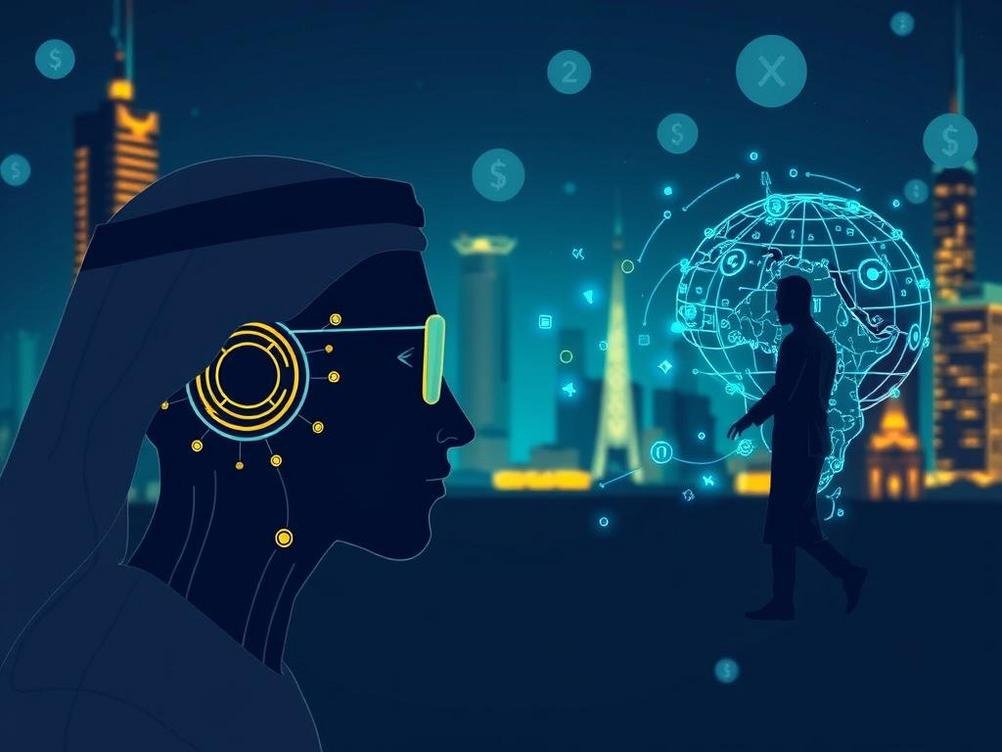
How UAE’s $1 Billion AI Investment in Africa Could Spark a Tech Revolution
How UAE’s $1 Billion AI Investment in Africa Could Spark a Tech Revolution
Okay, picture this: you’re scrolling through your feed one day, and you stumble upon news that the United Arab Emirates is dropping a cool billion dollars into AI infrastructure across Africa. Wait, what? Yeah, that’s not some sci-fi plot—it’s happening right now in 2025, and it’s got me thinking about how this massive cash infusion could flip the script on tech development in a continent that’s been hungry for innovation. I mean, we’ve all heard the jokes about AI taking over the world, but what if this investment actually helps bridge the digital divide? Think about it: Africa has this insane potential with its young population, vast resources, and untapped talent, but it’s often held back by outdated tech and limited access. So, why is the UAE, a Middle Eastern powerhouse, suddenly playing Santa Claus? Is it pure altruism, or are they eyeing some strategic gains like better trade routes or a slice of the growing AI pie? Either way, this move could be a game-changer, fostering everything from smarter agriculture to cutting-edge healthcare solutions. As someone who’s geeked out on AI trends for years, I’m excited to break this down for you—let’s chat about the ripple effects, the hurdles, and why you should care about this bold bet on Africa’s future. After all, in a world where AI is reshaping economies, who’s to say your next big app idea won’t come from a startup in Lagos?
Why the UAE is Betting Big on African AI
You know, it’s easy to dismiss a billion-dollar investment as just another headline, but let’s get real—there’s got to be more to it than meets the eye. The UAE has been flexing its economic muscles for years, from Dubai’s skyscrapers to Abu Dhabi’s tech hubs, and now they’re turning their gaze southward. Maybe it’s because they’ve got their own AI ambitions, like their National AI Strategy launched back in 2017, and they see Africa as a fertile ground for partnerships. Imagine Africa as this massive, underutilized canvas; the UAE could be painting on it with investments in data centers, cloud computing, and AI training programs. According to reports from the World Economic Forum, Africa’s AI market is projected to hit $13 billion by 2030— that’s a tempting slice for anyone with deep pockets. So, is this about goodwill or smart business? Probably both. The UAE gets to diversify its economy away from oil while helping Africa leapfrog into the digital age.
But humor me for a second: if I were a UAE official, I’d be thinking, ‘Hey, why not strengthen ties with African nations for stuff like rare earth minerals, which are crucial for AI hardware?’ It’s like that old saying, ‘You scratch my back, I’ll scratch yours.’ Plus, with global tensions rising, forming alliances through tech could be a savvy move. And let’s not forget the human angle—empowering African youth with AI skills means creating a workforce that could collaborate on international projects. For instance, initiatives like the UAE’s partnerships with organizations such as the African Union might lead to joint ventures in AI ethics and governance. If you’re into stats, a study by McKinsey shows that AI could add up to $2.7 trillion to Africa’s GDP by 2035. That’s not chump change; it’s a potential goldmine that could lift millions out of poverty.
- First off, improved infrastructure could mean faster internet and better data processing, making it easier for local startups to compete globally.
- Secondly, this investment might fund educational programs, like AI bootcamps, turning everyday folks into tech wizards.
- Lastly, it’s a chance for the UAE to lead by example, showing how cross-continental collaborations can tackle big issues like climate change with AI-driven solutions.
The Potential Game-Changers for Africa’s Tech Scene
Alright, let’s dive deeper into what this means on the ground. Africa’s tech landscape is like a sleeping giant—full of energy but needing a wake-up call. With UAE’s funding, we’re talking about building out AI infrastructure that could revolutionize sectors from farming to finance. For example, in countries like Kenya or Nigeria, AI-powered apps are already helping farmers predict weather patterns or optimize crop yields, and this investment could scale that up big time. I remember reading about a project in Rwanda where AI is used for precision agriculture; imagine if that got a billion-dollar boost. It’d be like giving a kid a high-powered gaming PC instead of a beat-up laptop—suddenly, the possibilities explode.
What’s really cool is how this could create jobs. Africa’s youth unemployment is a massive issue, but AI development needs coders, data scientists, and innovators. The UAE’s investment might include training programs or scholarships, turning street-smart kids into AI experts. Think about it: if you’re a young entrepreneur in Johannesburg, this could mean access to funding for your AI startup focused on healthcare. According to the International Monetary Fund, digital transformation could create over 85 million new jobs in Africa by 2030. And don’t forget the environmental perks—AI can help monitor deforestation or track wildlife, which is huge for a continent with diverse ecosystems. It’s not just about gadgets; it’s about sustainable growth that benefits everyone.
- One key area is healthcare: AI could enhance diagnostics in remote areas, like using drones for medicine delivery in hard-to-reach villages.
- Another is education: Virtual AI tutors could bridge the gap in underfunded schools, making learning more accessible and fun.
- Finally, e-commerce and fintech: With better AI, platforms like M-Pesa in Kenya could evolve, making transactions safer and more efficient for millions.
The Roadblocks and Hilarious Hiccups Ahead
Now, don’t get me wrong—this isn’t all sunshine and rainbows. Every big investment has its potholes, and Africa’s AI journey is no exception. For starters, there’s the infrastructure gap: not every corner of the continent has reliable electricity or internet, so pouring money into AI might feel like trying to run a marathon with one shoe on. The UAE will have to navigate regulatory hurdles too, like varying data privacy laws across countries, which could slow things down. I mean, can you imagine the frustration of setting up a high-tech data center only to deal with bureaucratic red tape? It’s like planning a beach vacation and ending up in a desert—totally not what you signed up for.
And let’s talk about the elephant in the room: inequality. If this investment doesn’t reach the grassroots level, it could widen the gap between urban elites and rural communities. Plus, there’s the risk of ‘digital colonialism,’ where foreign powers like the UAE call the shots, potentially overriding local priorities. But hey, with a bit of humor, we can see this as Africa’s chance to flip the script—turn what could be a headache into a comedy of errors that leads to better policies. For instance, a report from the United Nations highlights that only 40% of Africans have internet access, so addressing that should be priority number one. If handled right, though, these challenges could make the final outcome even sweeter.
To keep it light, here’s a quick list of potential hiccups and how to laugh them off:
- Power outages: Because nothing says ‘high-tech’ like working by candlelight—let’s hope for some solar-powered backups!
- Cultural mismatches: AI algorithms trained on Western data might not get African nuances, like slang in Swahili chats.
- Funding delays: It’s like waiting for your food delivery; it might take longer, but when it arrives, it’s worth it.
How This Ties into the Bigger Global AI Picture
Zoom out a bit, and you’ll see this UAE-Africa deal as part of a larger trend. Globally, AI is the hot topic, with countries like the US and China throwing billions into it. The UAE jumping in with Africa is like adding another player to an already crowded game, but it’s smart because it’s fostering South-South cooperation. Remember how the US has its Big Tech giants dominating? Well, Africa’s entry could diversify the scene, bringing fresh perspectives, like using AI for community-specific problems rather than just profit. I read an article on World Economic Forum’s site that talks about how emerging markets are reshaping AI ethics—pretty eye-opening stuff.
This investment could influence international policies, pushing for fairer AI standards. It’s not just about tech; it’s about geopolitics. If Africa becomes a key AI hub, it might shift power dynamics, making the continent a must-have ally. And for us everyday folks, that means more innovative products, like AI apps that understand local languages better. Statistics from Statista show that AI adoption in developing regions is growing at 30% annually— that’s faster than a kid outgrowing shoes!
Real-World Wins: AI Stories from Africa Already in Motion
Let’s get inspired by what’s already happening. Take Zipline in Ghana, for example—they use AI-driven drones to deliver medical supplies to remote areas, and with UAE’s funding, this could expand across the continent. It’s like turning science fiction into everyday reality. Or consider South Africa’s AI efforts in renewable energy, predicting solar output to combat climate change. These aren’t pipe dreams; they’re happening now, and a billion-dollar boost could accelerate them. I love how AI is being used for social good, like in Nigeria where apps help detect fake news during elections—talk about timely!
But it’s not all serious; there’s room for fun too. Imagine AI-powered storytelling apps that blend African folklore with modern tech—who wouldn’t want that? From my perspective, these examples show that with the right support, Africa can lead in creative AI applications. According to a study by Google, AI could help close the gender gap in tech by providing more opportunities for women in STEM fields across Africa.
- One success: Kenya’s M-KOPA, which uses AI for affordable solar energy financing.
- Another: Ethiopia’s use of AI in agriculture to combat food insecurity.
- And don’t miss: Senegal’s AI initiatives for ocean conservation—saving turtles with tech, anyone?
What’s in It for You? Making It Personal
So, how does this affect your daily life? If you’re into tech, this could mean more opportunities for collaboration or even investment. Maybe you’re a freelancer looking for AI projects; Africa’s rising scene could open doors. Or if you’re just a curious cat, think about the global ripple: better AI means smarter phones, more accurate search engines, and even personalized entertainment. I often wonder, what if your favorite streaming service starts recommending shows based on African storytelling traditions? It’s a world of possibilities, and we’re all connected.
Plus, ethically speaking, supporting this investment means backing a more inclusive tech future. It’s like planting a tree today for shade tomorrow. If you’re in business, keep an eye on companies like those backed by the UAE; they might partner with Western firms. A Forbes article notes that AI investments in emerging markets are yielding high returns, so it’s not just idealistic—it’s practical.
Conclusion
As we wrap this up, it’s clear that the UAE’s $1 billion pledge to African AI isn’t just a financial move—it’s a catalyst for change that could redefine the continent’s role in the global tech arena. We’ve chatted about the reasons behind it, the potential impacts, the challenges, and even some real-world examples that show it’s already making waves. Sure, there are bumps along the road, but that’s what makes progress exciting. If anything, this should inspire us to think bigger: How can we, as individuals or communities, get involved in AI’s growth? Whether it’s supporting ethical tech practices or learning a new skill, let’s ride this wave together. After all, in 2025, the future of AI is brighter than ever, and Africa’s story is just beginning—don’t you want to be part of it?
