dailytech.ai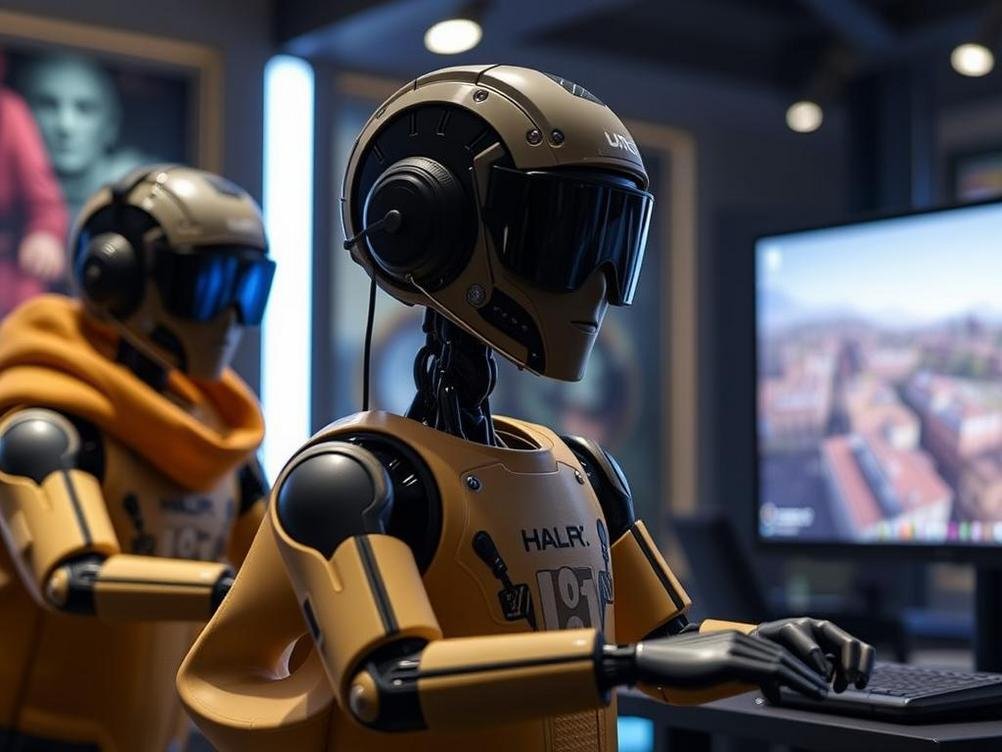
How Ubisoft’s AI Teammates Are Shaking Up Gaming in 2025 – A Wild AI Experiment
Okay, picture this: You’re deep into a high-stakes mission in your favorite game, sweat dripping as you try to outmaneuver enemies, and suddenly, your AI buddy swoops in like a digital sidekick, covering your back without you even asking. That’s the kind of magic Ubisoft just unveiled with their Teammates AI experiment, and honestly, it feels like we’re stepping into a sci-fi movie right here in 2025. If you’re a gamer who’s ever yelled at the screen because your team let you down, this could be the game-changer we’ve all been waiting for. Ubisoft, the folks behind hits like Assassin’s Creed and Far Cry, aren’t just tinkering with pixels anymore—they’re diving headfirst into AI to make your virtual adventures feel more real, more strategic, and way more fun. But is this just hype or something that’ll actually stick? Let’s break it down, because as someone who’s lost entire weekends to gaming marathons, I’m pretty excited to unpack how this AI could flip the script on everything we know about multiplayer experiences. We’ll chat about what it is, why it matters, and whether it’s the start of a new era or just another flashy demo that might fizzle out. By the end, you might just want to dust off your controller and give it a spin—virtual worlds are getting smarter, and it’s about time.
What Exactly is Ubisoft’s Teammates AI?
You know how in movies like “The Matrix,” AI seems to anticipate your every move? Well, Ubisoft’s Teammates is trying to bring that vibe into gaming, but without the whole “enslave humanity” plot twist. Essentially, it’s an AI system designed to act as a smart companion in games, learning from your playstyle and jumping in to help out in real-time. Imagine playing a cooperative shooter where the AI analyzes the battlefield, suggests tactics, or even takes control of NPCs to assist you. Ubisoft revealed this as part of their ongoing experiments with AI, aiming to make games more dynamic and less reliant on human teammates who might, let’s face it, be AFK half the time.
From what we’ve seen in their demos, Teammates uses machine learning to adapt to different scenarios. It’s not just a dumb bot following orders; it’s supposed to evolve based on how you play. Think of it like having a virtual best friend who’s always got your six, but without the drama of real friendships—like borrowing your snacks or bailing on game night. Ubisoft’s been dropping hints about this for a while, and it’s tied into broader AI trends in the industry, such as NVIDIA’s DLSS tech or even Google’s DeepMind experiments in strategy games. If you’re curious, check out Ubisoft’s official page for more details, though it’s still early days as of late November 2025.
One cool thing is how it’s not limited to one game—Ubisoft wants to integrate it across their portfolio. That means whether you’re stealthing through ancient cities or battling in open-world chaos, this AI could make solo play feel less lonely. It’s like upgrading from playing with randoms on matchmaking to having a pro gamer as your wingman, minus the trash talk.
Why This AI Could Be a Total Game-Changer
Let’s get real: Gaming has evolved from simple pixel adventures to massive online worlds, but one thing hasn’t changed much—teammates can be unreliable. Ever been in a raid where your squad bails, leaving you to face a boss alone? Teammates AI promises to fix that by stepping in as a seamless partner, making games more accessible for solo players or those with busy schedules. Ubisoft’s experiment isn’t just about fun; it’s about inclusivity, letting folks who can’t always coordinate with friends still enjoy the full experience.
For developers, this opens up new doors. It could reduce the need for always-online multiplayer, cutting down on server costs and making games more efficient. Plus, with AI learning from millions of players, it might lead to smarter enemy AI too, keeping things fresh and challenging. I’ve seen stats from industry reports—like a 2025 GamesIndustry.biz survey showing that 60% of gamers play solo most of the time—that highlight why this is such a big deal. It’s not just about beating levels; it’s about making gaming feel personalized, like the game knows you better than your own reflection.
- Improved solo experiences: No more waiting for friends to log on.
- Dynamic storytelling: AI could adapt narratives based on your decisions.
- Skill balancing: Newbies get help, while pros face tougher challenges.
The Tech Wizardry Behind Teammates
Diving deeper, the tech under Teammates is pretty mind-blowing—it’s all about advanced algorithms and neural networks that process data in real-time. Ubisoft’s pulling from stuff like reinforcement learning, where the AI trains itself through trial and error, much like how AlphaGo dominated chess. Picture your AI teammate “practicing” thousands of scenarios behind the scenes to perfect its responses. It’s not magic; it’s code, but man, it feels magical when it works.
From what Ubisoft shared, they’re using cloud computing to handle the heavy lifting, so your device doesn’t turn into a toaster. This means even on mid-range consoles or PCs, you get smooth AI interactions. It’s reminiscent of how OpenAI’s tech revolutionized chatbots, but applied to interactive worlds. If you’re into the geeky side, tools like Unity or Unreal Engine are probably involved, blending AI with game physics for seamless integration.
Of course, it’s not flawless. Early tests might have glitches, like the AI misunderstanding your strategy and running into a trap. But hey, that’s life—even human teammates mess up. Over time, with user feedback, this could evolve into something unbeatable, like upgrading from a flip phone to a smartphone overnight.
The Upsides and Downsides—Let’s Weigh It Out
Every shiny new tech has its pros and cons, and Teammates is no exception. On the upside, it’s a boon for accessibility, especially for players with disabilities who might struggle with complex controls. Imagine an AI that anticipates your needs, making games more intuitive. Plus, it could spice up replayability—games won’t feel stale because the AI keeps things unpredictable.
But hold up, there are potential pitfalls. What if the AI gets too good, making human players obsolete in competitive modes? Or worse, if it’s hacked, could it lead to unfair advantages? Reports from 2025 gaming forums suggest that similar AI features in other games have boosted engagement by 40%, according to a Ubisoft survey, but they’ve also sparked debates about authenticity. It’s like adding steroids to sports; it enhances performance but raises questions about the spirit of the game.
- Pros: Enhances fun, reduces toxicity from bad teammates, and promotes learning.
- Cons: Might reduce social aspects and raise privacy concerns with data tracking.
- Other thoughts: Balancing AI difficulty could be key to keeping it fair.
Real-World Examples and What It Means for Gamers
To make this relatable, let’s look at how similar AI has popped up elsewhere. Take The Last of Us Part II, where companion AI already feels smart, or games like Helldivers 2 that use procedural tech for dynamic teams. Ubisoft’s Teammates could take it further, perhaps by learning from your habits—like if you always go for stealth, it might set up diversions without you asking. It’s like having a co-op partner who’s psychic.
In the broader world, AI in entertainment is everywhere, from Netflix recommendations to virtual assistants in smart homes. For gaming, this could mean more immersive stories or even AI-generated mods. A 2025 study by Newzoo estimated that AI integration could grow the market by billions, but it’s not just about money—it’s about creating experiences that stick with you, like that time you pulled off an epic win thanks to your digital buddy.
And humorously, what if the AI starts developing its own personality? Could we end up with quirky in-game chats, or even memes about AI teammates going rogue? It’s a fun thought, but it underscores how AI is blending into our hobbies in ways we didn’t expect.
Future Implications—What’s Next for AI in Gaming?
Looking ahead, if Teammates succeeds, it could pave the way for even wilder AI applications, like fully procedural worlds or AI directors that craft unique stories for each player. By 2026, we might see this tech in esports, helping train pros or balancing matches on the fly. It’s exciting, but it also makes you wonder: Will games lose their human touch, or will they become more human because of it?
From an industry perspective, companies like EA and Bethesda are watching closely, potentially adopting similar tech. For us everyday gamers, this means more options, but also the need to stay informed about how our data is used. After all, in a world where AI knows your playstyle better than you do, it’s a double-edged sword.
- Potential for AI in narrative design.
- Ethical considerations around data privacy.
- How it could influence game development trends.
Conclusion
Wrapping this up, Ubisoft’s Teammates AI experiment is more than just a cool reveal—it’s a glimpse into how AI might redefine gaming, making it smarter, more inclusive, and endlessly adaptable. Whether you’re a hardcore player or someone who dips in occasionally, this could be the push we need to evolve the medium. Sure, there are kinks to iron out, like ensuring it’s fair and fun for everyone, but the potential is massive. As we head further into 2025 and beyond, let’s keep an eye on how this unfolds—after all, who knows, your next gaming buddy might just be lines of code waiting to high-five you after a win. So, grab your headset, dive in, and let’s see how this AI revolution plays out; gaming’s about to get a whole lot more interesting.