What If AI Judged Your Case? Inside UNC Law’s Wild Mock Jury Experiment
What If AI Judged Your Case? Inside UNC Law’s Wild Mock Jury Experiment
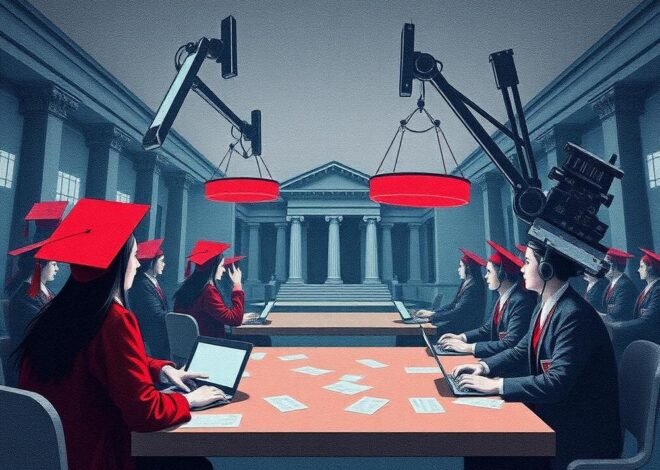
Ever wondered what it would be like if a computer, not a bunch of humans, decided if you’re guilty or not? I mean, think about it—AI’s already beating us at chess, writing poems that almost sound heartfelt, and even driving cars without crashing (most of the time). So, when I heard about UNC Law School hosting a mock AI jury trial, I couldn’t help but chuckle. Picture this: lawyers arguing their points to a room full of algorithms that don’t care about dramatic closing statements or emotional appeals. It’s like if your favorite sci-fi movie jumped off the screen and into a courtroom. This event isn’t just some tech geek’s daydream; it’s a real thing that happened recently, and it’s got everyone from law students to AI enthusiasts buzzing. We’re talking about simulating how AI could handle jury duties, weighing evidence, and spitting out verdicts based on cold, hard data. But hey, is that a good idea? Could this lead to fairer trials or just a bunch of robotic mishaps? Stick around, and let’s dive into why UNC Law decided to play this futuristic game, what went down, and what it means for the rest of us in a world where tech is everywhere.
It all started with the folks at UNC Law wanting to get ahead of the curve. They’re not just sitting around reading dusty law books; they’re experimenting with how AI might shake up the justice system. Imagine a jury that never gets bored, doesn’t hold grudges, and processes information faster than you can say “objection!” Sounds cool, right? But as someone who’s followed tech trends for years, I’ve got to say, it’s a bit scary too. What if AI misreads a facial expression or gets biased from its training data? This mock trial was a way to test the waters, and from what I’ve gathered, it was eye-opening. They brought in students, professors, and even some industry pros to run a simulated case—think a fictional trial over something like intellectual property theft. The AI was programmed to act as jurors, analyzing evidence and testimonies through machine learning models. It wasn’t perfect, but it sure got people talking about the future of law. And let’s be real, in a world where AI is already helping doctors diagnose diseases or businesses predict trends, why not give it a shot in the courtroom? But before we get too excited, let’s break this down step by step, because there’s more to it than just plugging in a computer and calling it a day.
What Exactly is a Mock AI Jury?
Okay, so a mock AI jury isn’t as fancy as it sounds—it’s basically a practice run where AI steps in for human jurors. At UNC Law, they used software to mimic how a jury might deliberate, feeding it loads of data like witness statements, evidence photos, and legal precedents. It’s like teaching a kid to ride a bike, but instead of training wheels, you’ve got algorithms. I remember when I first heard about this; I thought, “Wait, are we turning courtrooms into video games?” But here’s the thing—it’s all about preparation. The event probably drew from tools like IBM’s Watson or even open-source AI frameworks that analyze patterns in data, making decisions based on probabilities rather than gut feelings.
What made this mock trial at UNC so interesting was how they set it up. They chose a hypothetical case, say, a dispute over AI-generated art (which is a hot topic these days), and let the AI “jurors” crunch the numbers. Did it work? Well, sometimes the AI verdicts matched what humans might decide, and other times, it threw curveballs. For example, if the AI was trained on biased data, it might unfairly side with one party. That’s the beauty—and the beast—of it. It forces us to ask, is AI really impartial, or is it just as flawed as we are? In the end, this setup isn’t about replacing people; it’s about seeing how tech can assist in making justice faster and more accurate.
To break it down further, here’s a quick list of what went into creating this mock jury:
- Data Input: Feeding the AI everything from text documents to video evidence, so it could learn on the fly.
- Decision Algorithms: Using machine learning to weigh factors, like prioritizing certain evidence over others—kinda like how we use intuition but way more systematic.
- Human Oversight: Always having experts in the loop to tweak and question the AI’s calls, because let’s face it, we don’t want Skynet running the courts just yet.
Why UNC Law Decided to Go All-In on AI
You might be wondering, why on earth would a prestigious school like UNC Law dive into something as unpredictable as AI juries? Well, it’s simple—the world is changing, and law schools have to keep up. I mean, if you’re still teaching students with quill pens in 2025, you’re gonna get left behind. From what I’ve read, UNC’s team saw this as a chance to prepare future lawyers for a tech-driven world. It’s like when smartphones first came out—everyone was skeptical, but now we can’t live without them. This mock trial was their way of saying, “Hey, AI isn’t going away, so let’s figure out how to use it without messing everything up.”
Statistics show that AI is already creeping into legal work. For instance, a report from legal tech sources mentions that AI-powered tools are handling document reviews 70% faster than humans, saving firms tons of time and money. UNC probably thought, if AI can do that, maybe it can help with jury decisions too. But there’s a fun side to it—imagine the laughs when the AI “deliberated” faster than a coffee break! The event also highlighted how AI could make trials more efficient, especially in backlogged courts. Still, it’s not all sunshine; they had to address concerns like privacy and accuracy, which kept things real.
Let’s not forget the educational angle. Students got hands-on experience, debating with AI outputs and learning to spot potential errors. It’s a metaphor for life these days—we’re all navigating a world where tech is a tool, not a replacement. If you ask me, it’s a smart move that could inspire other schools to follow suit.
The Pros and Cons of Letting AI Play Juror
Alright, let’s get real—every shiny new idea has its ups and downs, and AI juries are no exception. On the plus side, AI could be a game-changer for speeding up trials. Think about it: no more hung juries from folks who can’t agree over lunch breaks. In the UNC mock trial, the AI zipped through evidence analysis in minutes, which is hilarious because real juries might take days. Plus, it could reduce human bias—no more worrying about a juror’s bad day influencing a verdict. According to some studies, AI systems can process data with up to 90% accuracy in pattern recognition, making them reliable for sifting through mountains of info.
But hold on, it’s not all roses. The cons? Well, what if the AI picks up on skewed data and ends up being more biased than a human? That’s what happened in some early tests at UNC, where the AI favored certain outcomes based on its training. It’s like teaching a dog tricks with the wrong commands—it might perform, but not how you want. And don’t even get me started on the ethical stuff; can a machine truly understand context, like a heartfelt testimony? Probably not, which is why the mock trial emphasized the need for human oversight. In a nutshell, it’s a double-edged sword that UNC is handling with care.
To weigh it out, here’s a simple pros and cons list from the event:
- Pros: Faster decisions, less emotional bias, and cost savings—imagine cutting trial times in half!
- Cons: Potential for algorithmic errors, lack of empathy, and the risk of over-reliance on tech, which could erode human judgment.
- Real-World Insight: Events like this show we’re not ready for full AI juries yet, but they’re a step toward better integration.
How This Ties into the Bigger AI Picture
Zoom out a bit, and you’ll see that UNC’s mock AI jury isn’t just a one-off; it’s part of a larger trend. AI is popping up everywhere, from healthcare to entertainment, and law is next in line. I’ve read about similar experiments in places like the UK, where AI helps with sentencing recommendations. It’s wild to think that what started as a fun exercise at UNC could influence global policies. For example, if AI can accurately predict outcomes based on past cases, it might make the legal system more predictable—like a weather forecast for justice.
Of course, there are real-world examples to draw from. Take the use of AI in predictive policing, which has sparked debates about fairness. At UNC, they probably discussed how their mock trial could evolve into tools that assist real juries, maybe by summarizing evidence or spotting inconsistencies. It’s a bit like how Netflix recommends shows—using data to guide decisions without taking over. But as we joke about robots taking jobs, we have to be mindful of the implications. Could this lead to a future where AI handles minor cases? Possibly, but only if we get the kinks out first.
One thing’s for sure: events like this are pushing the envelope. They’re not just academic; they’re shaping how we think about AI’s role in society. If you’re into tech, keep an eye on developments from organizations like the Future of Life Institute, which tackles these issues head-on.
Ethical Questions and Funny Mishaps from the Mock Trial
Let’s not gloss over the ethics—because when you mix AI and law, things can get messy. In the UNC event, there were probably a few laughs when the AI made an off-the-wall decision, like ruling based on irrelevant data. It’s ethical dilemmas all around: Who programs the AI? What if it perpetuates inequalities? I once heard a story about an AI that favored certain demographics due to biased training, and it’s a reminder that tech isn’t neutral. The mock trial highlighted these issues, encouraging participants to think critically about accountability in AI-driven decisions.
On a lighter note, imagine the AI “juror” glitching mid-trial—talk about a plot twist! While UNC’s setup was smooth, it’s fun to picture the what-ifs. Ethically, though, this event pushed for transparency, like ensuring AI decisions are explainable. It’s not just about the tech; it’s about building trust, which is key if we want AI in our courtrooms.
To sum up the ethics chat, consider these points:
- Ensuring diverse training data to avoid bias, as seen in the UNC trial.
- Keeping humans in control to override AI errors.
- Promoting public discussions, because who wants a future without input?
Looking Ahead: The Future of AI in Law
As we wrap up, it’s clear that UNC Law’s mock AI jury is just the beginning. We’re on the cusp of something big, where AI could make law more efficient and accessible. But let’s not rush it—we need to learn from experiments like this to iron out the wrinkles. Who knows, in a few years, AI might be helping with everything from jury selection to verdict predictions, but only if we do it right.
The key takeaway? Stay curious and involved. Events like UNC’s show that blending tech and tradition can lead to innovation, as long as we keep the human element front and center. Personally, I’m excited (and a little wary) about what’s next.
Conclusion
In the end, UNC Law’s mock AI jury trial is a fascinating peek into the future, blending tech with tradition in a way that’s both innovative and thought-provoking. It reminds us that while AI can enhance our lives, we’ve got to approach it with a mix of enthusiasm and caution. From the laughs in the courtroom to the serious ethical chats, this event highlights how far we’ve come and how much further we can go. So, next time you hear about AI in everyday scenarios, remember—it’s not just about the tech; it’s about making sure it serves us all better. Let’s keep the conversation going and shape a justice system that’s fair, fun, and forward-thinking.