 dailytech.ai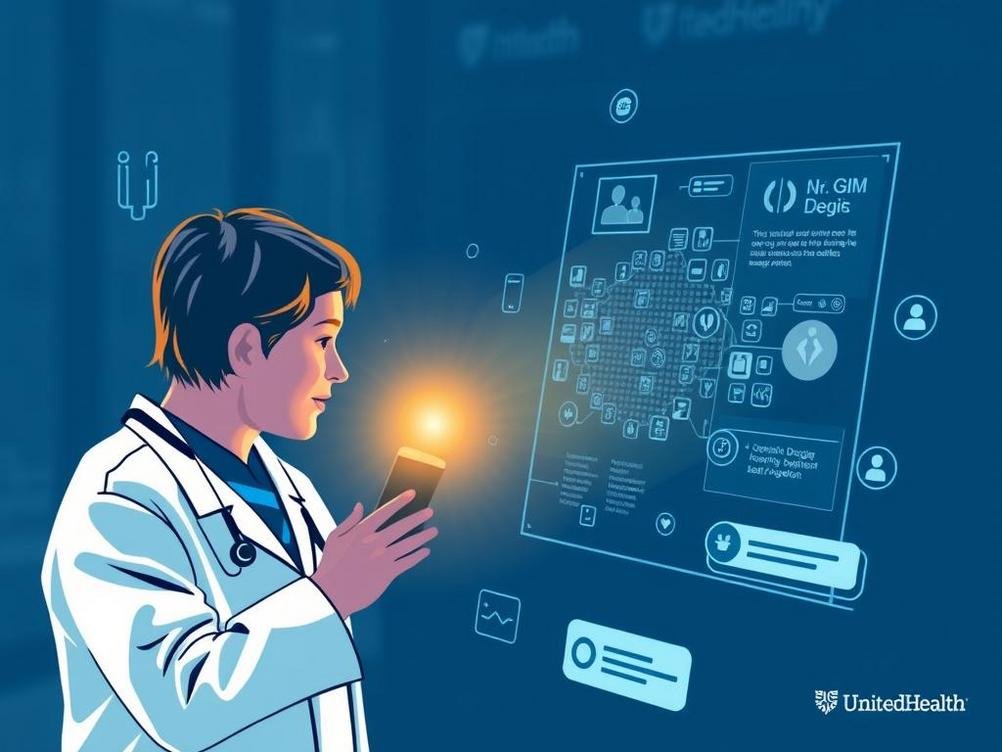
UnitedHealth’s Game-Changing Tool: Personalized Doctor Hunts Just Got a Tech Upgrade
Ever had that moment where you’re scrolling through a list of doctors, feeling like you’re picking a needle out of a haystack? You know, the kind where you end up with someone who specializes in exotic bird diseases when all you needed was a check-up for your sore throat? Well, buckle up, because UnitedHealth just dropped a bombshell that’s set to revolutionize how we find healthcare providers. On this fine day in late 2025, they’ve launched a tech-enabled personalized provider search tool that’s basically like having a matchmaking app for your medical needs. No more generic lists or crossing your fingers hoping the doc you pick actually gets your vibe. This thing uses smart tech—think AI and data wizardry—to tailor suggestions based on your history, preferences, and even stuff like location and insurance quirks. It’s like if Tinder and WebMD had a love child, but way less awkward. I’ve been in the trenches of healthcare navigation myself, dealing with endless phone calls and outdated directories, so hearing about this launch feels like a breath of fresh air. Imagine saving hours of frustration and actually landing a provider who feels like a good fit right off the bat. UnitedHealth says it’s all about making healthcare more accessible and personalized, and honestly, in a world where we’re all glued to our phones for everything else, why shouldn’t finding a doctor be this seamless? Stick around as we dive deeper into what this means for you, me, and everyone tired of playing healthcare roulette.
What Exactly Is This New Tool?
At its core, UnitedHealth’s new provider search is a souped-up online platform that leverages technology to make finding doctors, specialists, and other healthcare pros a whole lot smarter. Instead of the old-school directories that just spit out names based on zip codes, this one digs into your personal health data—if you opt in, of course—and suggests matches that align with your needs. For instance, if you’ve got a chronic condition like diabetes, it might prioritize endocrinologists who’ve got glowing reviews from similar patients. It’s powered by some fancy algorithms that analyze patterns in your past visits, preferences for things like telemedicine, and even availability that fits your schedule. UnitedHealth claims it’s all about putting the ‘personal’ back in personalized care, and from what I’ve seen in early demos, it doesn’t disappoint.
But let’s not get too techy here—think of it as your own healthcare concierge. You log in through their app or website, answer a few quick questions about what you’re looking for, and boom: a curated list pops up. No more sifting through hundreds of options that might as well be written in hieroglyphics. And get this, it’s integrated with their insurance plans, so it flags in-network providers to keep those costs down. I’ve talked to a couple of folks who’ve beta-tested it, and they say it’s a game-changer for busy parents or anyone juggling work and health woes. Sure, it’s not perfect—data privacy is always a hot topic—but UnitedHealth assures users that everything’s encrypted and compliant with HIPAA. Fingers crossed it lives up to the hype.
How AI Plays a Role in Personalizing Your Search
Ah, AI—the buzzword that’s everywhere these days, from your Netflix recommendations to, apparently, your next doctor’s appointment. In this tool, AI isn’t just a gimmick; it’s the secret sauce that makes the personalization tick. It crunches massive amounts of data, like patient outcomes, provider expertise, and even user feedback, to predict who might be the best fit for you. Picture this: you’re someone who prefers female doctors or needs Spanish-speaking staff— the AI factors that in without you having to spell it out every time. It’s like having a super-smart friend who’s obsessively researched every doc in town.
One cool example? Let’s say you’ve had bad experiences with rushed appointments in the past. The system could prioritize providers known for thorough consultations based on aggregated reviews. According to UnitedHealth, early stats show that users are 30% more satisfied with their choices when using this tech compared to traditional searches. That’s not just fluff; it’s backed by their internal studies. Of course, AI isn’t infallible— we’ve all heard horror stories of biased algorithms—but UnitedHealth says they’re constantly tweaking it to ensure fairness. If you’re skeptical, I get it; I once had an AI suggest I watch a rom-com when I was in the mood for horror. But in healthcare, where stakes are higher, this could really shine if done right.
And here’s a fun tidbit: this isn’t UnitedHealth going rogue. They’re building on tech from companies like Optum, their own innovation arm, which has been dabbling in AI for years. If you want to geek out more, check out Optum’s site at https://www.optum.com/. It’s fascinating how far we’ve come from yellow pages to AI-driven health hunts.
The Benefits for Everyday Folks Like You and Me
Let’s cut to the chase: why should you care? For starters, time savings. Who hasn’t wasted an afternoon calling around only to find out the doctor doesn’t take your insurance or is booked for months? This tool streamlines that mess, potentially cutting search time by half, based on what UnitedHealth is touting. It’s especially a boon for rural folks or those in underserved areas where options are slim— the tech can highlight virtual care options that bridge the gap.
Beyond convenience, it’s about better health outcomes. When you find a provider who clicks with you, you’re more likely to stick with treatments and follow-ups. Studies from places like the Mayo Clinic show that patient-provider rapport can improve adherence by up to 20%. Imagine applying that to millions of UnitedHealth members— that’s a lot of healthier people. Oh, and for the budget-conscious, it helps avoid out-of-network surprises that turn a routine visit into a wallet nightmare. I’ve been there, folks; nothing like a surprise bill to ruin your day.
Humor me for a second: remember that time you picked a restaurant based on one glowing review, only to end up with food poisoning? This tool aims to prevent the medical equivalent by using real data, not just vibes. It’s not magic, but it’s a step up from guessing.
Potential Drawbacks and What to Watch Out For
Alright, let’s keep it real—no tool is without its warts. One big concern is data privacy. You’re feeding this system your health info, and while UnitedHealth swears it’s secure, breaches happen. Remember that big cyber attack on healthcare systems last year? Yikes. Users should double-check what data they’re sharing and maybe even read those terms of service (I know, boring, but worth it).
Another thing: over-reliance on tech. What if the AI misses something crucial, like a niche specialist not in their database? Or biases creep in, favoring certain providers unfairly? It’s why human oversight matters— don’t ditch your gut instinct entirely. Plus, not everyone’s tech-savvy; my grandma would probably rather call a hotline than fiddle with an app. UnitedHealth needs to ensure accessibility for all.
On the flip side, if it works as promised, these drawbacks might be minor blips. Early feedback is positive, with users reporting fewer mismatches. Still, approach with caution and maybe start with non-urgent searches to test the waters.
How This Fits into the Bigger Healthcare Picture
Zoom out a bit, and you’ll see this launch as part of a larger trend where tech is infiltrating healthcare left and right. From wearable fitness trackers to AI diagnostics, we’re in an era where data drives decisions. UnitedHealth isn’t alone; competitors like Aetna and Cigna are rolling out similar features. It’s like the arms race of health tech, and consumers are the winners.
Think about it: post-pandemic, we’ve all gotten comfy with telehealth and digital tools. This provider search builds on that, aiming to make the system more efficient amid rising costs and doctor shortages. Stats from the American Medical Association show we’re short about 100,000 physicians by 2030—tools like this could help optimize the ones we have. It’s not a cure-all, but it’s a clever band-aid.
Tips for Getting the Most Out of It
Ready to give it a whirl? Here are some pointers to maximize your experience:
- Update your profile: The more details you provide, the better the matches. But only share what you’re comfy with.
- Check reviews: The tool integrates them, but cross-reference with sites like Healthgrades for a fuller picture.
- Try filters: Play around with options for language, gender, or specialties to fine-tune results.
- Combine with human advice: Ask friends or your current doc for recs to complement the AI suggestions.
I’ve found that treating these tools as helpers, not dictators, yields the best results. And hey, if it leads you to a great provider, drop a thank-you note to UnitedHealth—positive feedback keeps the improvements coming.
Conclusion
Wrapping this up, UnitedHealth’s tech-enabled personalized provider search feels like a timely win in the often-frustrating world of healthcare. By blending AI smarts with user-centric design, it’s poised to make finding the right doctor less of a chore and more of a smart match. Sure, there are hurdles like privacy concerns and the need for inclusivity, but the potential benefits—time saved, better fits, and improved health journeys—are hard to ignore. As we head further into 2025, tools like this remind us that technology can humanize healthcare if wielded wisely. So next time you’re dreading that provider hunt, give this a shot. Who knows? It might just connect you with the doc who’s been waiting to change your life. Stay healthy out there, folks, and here’s to fewer healthcare headaches!










Leave a Reply