UW-Madison’s AI College Approval: A Game-Changer for Tech Education in 2025
UW-Mason’s AI College Approval: A Game-Changer for Tech Education in 2025
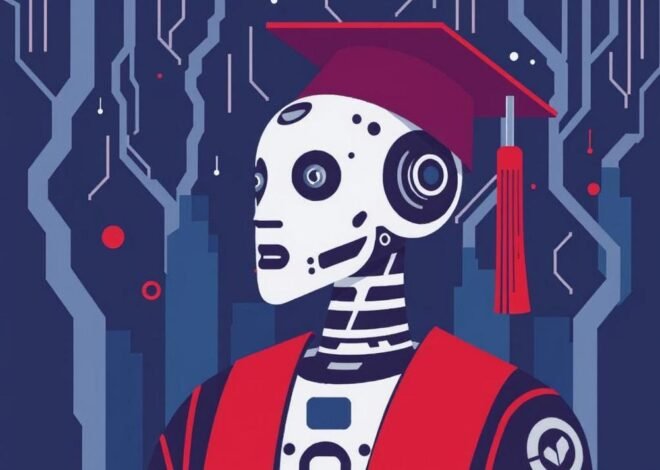
Ever wondered what it takes to turn a simple idea into a full-blown revolution? Well, picture this: you’re scrolling through your feed one day, and you see that the University of Wisconsin-Madison just got the thumbs-up from the Board of Regents to launch a brand-new College of Computing and Artificial Intelligence. It’s like watching a startup pitch go viral, but on a university scale. I mean, we’re talking about 2025 here, and AI is everywhere—from your smart fridge suggesting dinner to AI-powered doctors diagnosing illnesses. This approval isn’t just paperwork; it’s a signal that higher ed is finally catching up to the digital wave that’s reshaping our world.
As someone who’s always geeked out over tech, I find it hilarious how universities are playing catch-up after years of sticking to the classics. Think about it: back in the day, computing was just a fancy calculator course, but now AI is the cool kid on the block, promising jobs, innovation, and maybe even a robot sidekick. This move by UW-Madison could mean more hands-on programs, cutting-edge research, and students actually learning stuff they’ll use in real life. It’s exciting, right? But let’s dig deeper—because this isn’t just about one school; it’s about how AI is infiltrating education everywhere. From what I hear, this approval happened recently, and it’s got people buzzing about the potential for interdisciplinary vibes, where AI meets everything from art to agriculture. So, if you’re a student, parent, or just a tech enthusiast, stick around as we unpack what this means for the future. Who knows, maybe you’ll be inspired to enroll or even start your own AI project!
What Exactly Did the Board Approve?
You know, when I first read about the UW Board of Regents nodding yes to this proposal, I thought, ‘Finally, someone’s making AI education a priority!’ Basically, they’re green-lighting a whole new college at UW-Madison dedicated to computing and AI. This isn’t just adding a class or two; it’s building an entire hub for AI studies, complete with faculty, labs, and probably some fancy tech toys. Imagine turning a campus into a mini Silicon Valley— that’s the vibe here. The proposal likely includes revamping curriculums, hiring experts, and fostering partnerships with industry giants like Google or Microsoft, which have been pushing AI forward for years.
One cool thing is how this could integrate AI across other fields. For instance, if you’re into biology, you might learn how AI analyzes genetic data, or if art’s your thing, perhaps using AI for digital design. It’s like mixing peanut butter and chocolate—separately great, but together? Magic. And let’s not forget the timing; with AI exploding in 2025, this college could pump out graduates ready for high-demand jobs. According to recent reports from sources like the World Economic Forum WeForum.org, AI skills are projected to create millions of jobs globally. So, for UW-Madison, this is a smart play to stay relevant.
But hey, approvals like this don’t happen overnight. The Board probably reviewed tons of data, from enrollment projections to funding sources. It’s a bit like planning a road trip—you’ve got to map out the route, pack the essentials, and hope for smooth sailing. This new college might start with undergraduate programs and expand to grad levels, giving students that edge in a competitive job market. If you’re curious, check out UW-Madison’s site wisc.edu/ai-college for more details, though it’s still early days.
Why AI in Education is Hotter Than Ever
Let’s face it, AI isn’t just a buzzword anymore—it’s like that friend who’s always one step ahead, making life easier and weirder at the same time. The approval for this college highlights how AI is transforming education, turning traditional lectures into interactive experiences. At UW-Madison, students might soon be using AI tools to simulate real-world problems, like predicting climate change or optimizing supply chains. It’s funny how what started as sci-fi in movies like ‘The Matrix’ is now everyday stuff in classrooms.
From my perspective, this trend is global. Universities worldwide are jumping on the bandwagon because, let’s be real, AI is reshaping industries. For example, in healthcare, AI helps diagnose diseases faster than a doctor with a stethoscope. In education specifically, tools like ChatGPT (which, by the way, has revolutionized writing and research) are making learning more personalized. A study from Stanford aiindex.stanford.edu shows that AI integration in education could boost student engagement by up to 30%. So, for UW-Madison, creating a dedicated college makes perfect sense—it’s like upgrading from a flip phone to a smartphone overnight.
- Personalized learning paths tailored to individual strengths.
- Access to cutting-edge tech, reducing the gap between academia and industry.
- Opportunities for cross-disciplinary projects, like AI in environmental science or creative arts.
This isn’t just about tech; it’s about preparing the next generation for a world where AI is as common as coffee.
How This Will Impact Students and Faculty
If I were a student at UW-Madison right now, I’d be pretty pumped. This new college could mean more scholarships, specialized courses, and even internships with big names in tech. Think about it: instead of generic computer science degrees, you’ll have programs focused on ethical AI, machine learning, and data analytics. It’s like going from riding a bike to driving a Tesla—suddenly, the possibilities are endless. Faculty will benefit too, with more resources to research groundbreaking stuff, like AI for social good.
On the flip side, it’s not all rainbows. Professors might have to adapt to new teaching methods, which could be a challenge if they’re used to the old-school chalkboard routine. But hey, that’s life—evolution or get left behind. Real-world example: Over at MIT, they’ve had an AI lab for years, and it’s produced alumni who are now leaders at companies like OpenAI. UW-Madison could follow suit, creating a pipeline of talent that boosts the local economy.
- Expanded career opportunities, with AI jobs growing 20% annually per LinkedIn data.
- Hands-on experiences through labs and collaborations.
- A focus on diversity, ensuring AI education reaches underrepresented groups.
In short, this is a win for everyone involved, as long as they embrace the change.
The Potential Challenges on the Horizon
Okay, let’s keep it real—nothing’s perfect, and this AI college idea isn’t exempt. One big hurdle could be funding. Universities are already strapped for cash, and building a new college means pouring money into infrastructure, hiring, and tech. It’s like planning a big party; you need the venue, the DJ, and the snacks, but what if the budget runs dry? UW-Madison might have to seek donations or partnerships, which can get messy with strings attached.
Then there’s the ethical side. AI isn’t all sunshine; issues like bias in algorithms or job displacement are real concerns. I mean, who wants a robot taking over their job? This college will have to tackle that head-on, maybe by including courses on AI ethics. A report from the Brookings Institution brookings.edu/ai-ethics warns that without proper guidelines, AI could widen inequalities. So, while this is exciting, UW-Madison needs to play it smart to avoid pitfalls.
Another thing: keeping up with tech advancements. AI evolves faster than fashion trends, so the college has to stay current. That might mean constant updates to curriculums, which sounds exhausting. But with the right team, it’s doable—like upgrading your phone every year to keep up with the Joneses.
Real-World Examples and What We Can Learn
To put this in perspective, let’s look at other places nailing AI education. Take Carnegie Mellon University, for instance—they’ve got a top-tier AI program that’s churned out innovators. Students there work on projects like autonomous vehicles, which is pretty mind-blowing. UW-Madison could learn from this by fostering similar collaborations, maybe with local companies in Wisconsin’s tech scene. It’s like borrowing a neighbor’s secret recipe to make your own dish even better.
Statistics show that countries investing in AI ed are seeing huge returns. In the EU, for example, AI-related R&D has jumped 40% in the last five years, leading to economic growth. For UW-Madison, this means potential for startups and research grants. And it’s not just about tech; AI can solve everyday problems, like using machine learning to improve farming in the Midwest. If I had to guess, this new college might even partner with farms for AI-driven agriculture—talk about practical applications!
- Case study: Georgia Tech’s online AI master’s program, which is affordable and accessible, drawing thousands of students.
- How AI is used in entertainment, like Netflix recommendations, showing its versatility.
- Lessons from failures, such as early AI chatbots that were hilariously bad, to emphasize the need for robust testing.
It’s all about learning from the past to build a brighter future.
What’s Next for AI in Higher Ed?
Looking ahead, this approval could spark a chain reaction across other universities. If UW-Madison succeeds, expect more schools to follow suit, making AI a staple in education. It’s like planting a seed that grows into a forest—one idea leads to many. By 2030, we might see AI-integrated degrees everywhere, preparing us for an automated world.
Of course, it’s not just about academics; it’s about societal impact. AI could help address global issues, from climate change to healthcare disparities. For students, that means jobs that matter, like developing AI for renewable energy. It’s exciting to think about, isn’t it? With initiatives like this, we’re on the cusp of something big.
In wrapping up, if you’re passionate about tech, keep an eye on UW-Madison’s progress. Who knows, you might end up being part of it!
Conclusion
All in all, the UW Board of Regents’ approval for the new College of Computing and Artificial Intelligence at UW-Madison is a breath of fresh air in the world of education. It’s a reminder that we’re evolving, adapting to a tech-driven future with a mix of excitement and caution. From boosting student opportunities to tackling real-world challenges, this move could inspire similar shifts elsewhere. If you’re intrigued by AI, dive in—whether that’s enrolling in a program, tinkering with code at home, or just staying informed. Let’s embrace this change with open arms; after all, the future of innovation starts with steps like these. Who knows what amazing things we’ll create next? Here’s to UW-Madison leading the charge!