dailytech.ai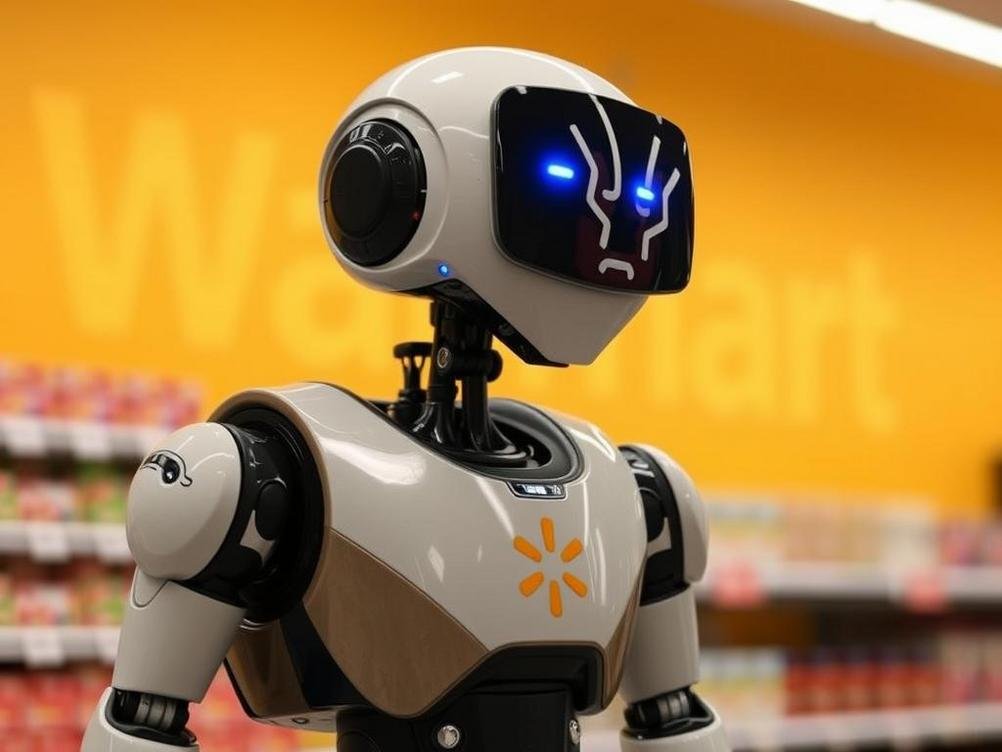
Why Walmart’s AI Robotics Took a Nosedive After Its Hot Streak
Okay, let’s kick things off with a little story that’ll hook you right in. Picture this: you’re strolling through a Walmart superstore, and instead of bumping into a tired stocker, you’re dodging these sleek, whirring robots that are zipping around, restocking shelves and maybe even cracking jokes about your shopping cart. Sounds like sci-fi, right? Well, that’s exactly what Walmart was banking on with their big push into AI robotics. But here’s the twist – after a massive hype-fueled run that had everyone talking, things have started to tumble. Why? We’re diving into the messy, real-world reasons behind this slowdown, from tech glitches to market mood swings. As someone who’s geeked out on AI for years, I’ve seen how these innovations can be game-changers one minute and headscratchers the next. In this post, we’ll unpack the highs, the lows, and what it all means for the future of shopping. Stick around, because by the end, you might just rethink how AI is reshaping everyday life – and maybe even chuckle at the robots that overpromised and underdelivered.
What Exactly is Walmart’s AI Robotics All About?
You know, when I first heard about Walmart’s foray into AI robotics, I thought it was straight out of a blockbuster movie. We’re talking about automated systems like those from companies such as Symbotic or Bossa Nova Robotics, which Walmart has partnered with to handle everything from inventory checks to shelf-stocking. These bots aren’t just dumb machines; they’re loaded with AI smarts, using cameras, sensors, and machine learning to navigate stores and predict what products are flying off the shelves. It’s like having a tireless employee who never calls in sick – except, well, sometimes they do glitch out.
But let’s get real: this isn’t new tech. Retail giants have been experimenting with AI for years, but Walmart ramped it up big time during the pandemic when supply chains went haywire. Imagine robots racing to keep up with online orders while humans focused on customer service. It’s a cool idea, but as we’ll see, the execution hasn’t been flawless. If you’re curious about the tech behind it, check out Symbotic’s website – they supply a lot of these systems and it’s fascinating to see how AI is making warehouses smarter.
Here’s a quick list of what these robots can do:
- Scan shelves in record time, spotting low-stock items before managers even notice.
- Use predictive algorithms to forecast demand, which is a godsend during holiday rushes.
- Reduce human errors, like miscounts or misplaced items, making the whole operation smoother.
It sounded like a slam dunk, but as with any tech hype, there’s always a catch – and that’s where the tumbling comes in.
The Sky-High Rise of AI in Retail – What Went Right at First
Man, remember when AI robotics in retail was all the rage? Walmart’s stock in these systems shot up like a rocket, especially after they announced expansions in 2021. Investors were eating it up, picturing endless efficiency and cost savings. It’s like that friend who starts a diet and loses 10 pounds in a week – everyone cheers until the weight creeps back. For Walmart, the early wins were undeniable: faster restocking meant happier customers, and during peak seasons, these bots handled the grunt work without breaking a sweat.
Think about it this way – it’s like upgrading from a beat-up old car to a self-driving Tesla. Suddenly, you’re zipping around with less hassle. Walmart reported that their AI setups cut down on out-of-stock items by a significant margin, which is huge in a competitive market. And let’s not forget the buzz: media outlets were praising it as the future of shopping, with articles popping up everywhere. If you’re into stats, a report from McKinsey back in 2022 estimated that AI could add up to $500 billion in value to the retail sector by 2030 – that’s some serious dough!
To break it down, here’s why the initial run was so exciting:
- It boosted operational speed, allowing stores to process more orders per hour.
- It appealed to eco-conscious consumers by optimizing energy use in warehouses.
- It positioned Walmart as a tech-forward leader, outpacing rivals like Amazon in certain areas.
But as they say, all good things must come to an end, and that’s where the plot thickens.
What’s Causing the Big Tumble? Let’s Talk Roadblocks
Alright, here’s where it gets juicy – or should I say, a bit deflating. After that initial high, Walmart’s AI robotics started hitting snags that made investors pump the brakes. One major issue? Integration woes. These robots might be whiz kids in a controlled warehouse, but in a bustling store with kids running around and carts everywhere, things get messy. I’ve heard stories of bots getting stuck in aisles or misreading labels, turning what should be efficiency into a comedy of errors. It’s like teaching a dog new tricks only for it to chase its tail instead.
Then there’s the cost factor. Implementing this tech isn’t cheap – we’re talking millions for upgrades and maintenance. When economic pressures hit, like inflation and supply chain disruptions, companies start second-guessing those investments. Walmart’s stock in their robotics partners dipped sharply in late 2024, partly because returns weren’t as quick as promised. If you dig into it, sources like Reuters reported that several retail AI projects faced delays, highlighting how real-world testing can humble even the biggest players.
To put it in perspective, consider these common pitfalls:
- Over-reliance on AI leading to downtime when systems fail.
- Unexpected costs for training staff to work alongside robots.
- Market volatility making long-term investments riskier than anticipated.
It’s a reminder that tech isn’t a magic bullet; it’s more like a Swiss Army knife – useful, but only if you know how to use it.
How Market Forces Are Playing Spoil Sport
You ever notice how the stock market is like a rollercoaster? One day you’re at the top, screaming with joy, and the next, you’re plunging down. For Walmart’s AI robotics makers, broader market forces have been a real buzzkill. With interest rates climbing and consumers tightening their belts, companies are scaling back on flashy tech spends. It’s not that the robots stopped working; it’s that the hype bubble burst when profits didn’t soar as expected.
Take regulatory hurdles, for instance. Governments are getting stricter on AI ethics and data privacy, which means Walmart had to pause some expansions to comply. In the EU, new laws under the AI Act are making companies rethink their strategies, and that’s slowed things down globally. It’s like trying to drive with one foot on the brake – frustrating and inefficient. Plus, competition from cheaper alternatives, like manual labor in regions with lower wages, has made AI less appealing in the short term.
If I had to list the external factors at play:
- Economic downturns reducing retail spending and investment budgets.
- Increasing scrutiny on AI’s environmental impact, since these bots aren’t exactly energy-sippers.
- Shifts in consumer behavior, with people preferring human interaction over robotic efficiency in stores.
Sometimes, the world just doesn’t play nice with innovation.
Lessons from the Fall: What Retailers Can Learn
Look, every tumble is a chance to learn, right? Walmart’s experience with AI robotics is like that awkward phase in a relationship – full of potential but needing some tweaks. One big lesson is the importance of balancing tech with human elements. Robots might stock shelves faster, but they can’t chat with customers or handle unexpected messes. Companies are now focusing on hybrid models, where AI supports rather than replaces workers, which could be a smarter path forward.
Another insight? Testing in real environments is key. Piloting in a lab is one thing, but throwing bots into the wild of a busy Walmart is another. I recall reading about how some retailers are iterating on this by incorporating feedback loops, where AI learns from daily interactions. For more on evolving AI practices, sites like McKinsey have great analyses.
Here’s a rundown of key takeaways:
- Don’t rush implementation; prioritize thorough testing to avoid costly errors.
- Invest in employee training to ensure humans and machines work in harmony.
- Keep an eye on ROI – if it’s not delivering value quickly, pivot early.
It’s all about playing the long game.
What’s Next? The Future Outlook for AI in Retail
Despite the dips, I’m optimistic about where AI robotics is headed. Walmart might be stumbling now, but this could just be a pit stop. With advancements in AI, like better machine learning algorithms, we might see these bots become more adaptive and less error-prone. Imagine robots that not only stock shelves but also assist with personalized shopping recommendations – now that’s exciting!
Looking ahead, experts predict a rebound by 2026, as costs drop and tech improves. It’s like weathering a storm only to see clearer skies. Retailers are already experimenting with integrations, such as combining AI with AR for virtual try-ons, which could make shopping fun again. For a deeper dive, check out Gartner for their forecasts on emerging tech.
To sum up potential trends:
- More affordable AI solutions making it accessible for smaller retailers.
- Enhanced safety features to prevent accidents in stores.
- Integration with e-commerce for seamless online-offline experiences.
The future’s bright, but it’ll take some fine-tuning.
Conclusion
Wrapping this up, Walmart’s AI robotics saga is a classic tale of hype versus reality, but it’s far from over. We’ve seen the thrills of innovation and the bumps along the way, reminding us that technology evolves in fits and starts. Whether you’re a shopper, an investor, or just an AI enthusiast like me, this story highlights the need for patience and smart strategies in a fast-changing world. So, next time you spot a robot in the aisle, give it a nod – it’s learning just like we are. Who knows? With a few adjustments, AI could turn retail into something truly magical. Let’s keep watching and see how it all unfolds – after all, the best is yet to come.