dailytech.ai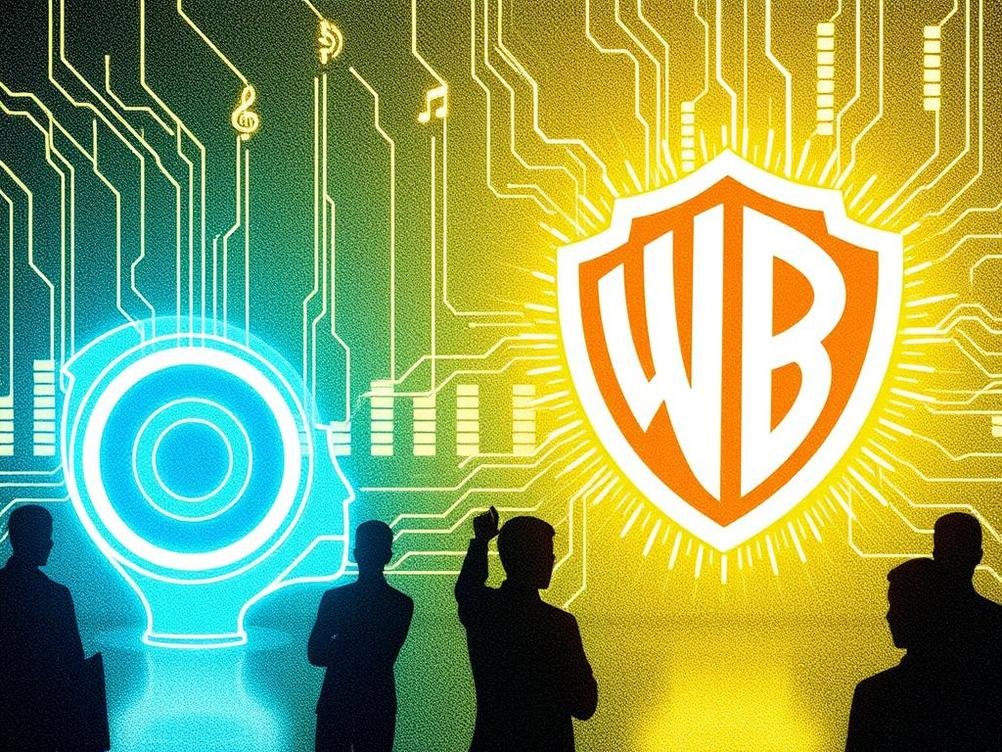
From Legal Battles to Beat-Dropping Deals: Warner Music’s Wild AI Ride
Imagine this: You’re a massive music giant like Warner Music Group, churning out hits for decades, and suddenly, an AI firm comes knocking with tech that could remix your entire catalog or, heck, generate new tracks that sound eerily like your artists. Sounds like a sci-fi plot, right? Well, that’s basically what went down when Warner Music Group settled a lawsuit with an AI music company and decided to turn rivals into partners with a shiny new joint venture. It’s like that time you patched things up with your old roommate after a massive fight over the TV remote—except here, the stakes are billions in music rights and the future of creativity. This story isn’t just about corporate drama; it’s a peek into how AI is shaking up the music world, making us all wonder if robots will one day steal the mic from our favorite singers. I mean, think about it: Could an algorithm write the next hit ballad that has you ugly-crying in your car? Warner’s move suggests yes, and it’s got everyone from indie artists to tech geeks buzzing. In this article, we’ll dive into the nitty-gritty of the lawsuit, what this partnership means for the industry, and why it might just be the start of a harmonious (or chaotic) blend of human talent and machine magic. Stick around, because if you’re into music, tech, or just good old-fashioned drama, this is one rollercoaster you won’t want to miss.
The Lawsuit Lowdown: When Music and AI Clash
Okay, let’s kick things off with the juicy part—the lawsuit that had everyone’s antennas up. Warner Music Group, the bigwig behind stars like Ed Sheeran and Dua Lipa, found themselves in a legal tussle with an AI music firm. From what I’ve pieced together, it was all about copyright chaos. The AI company was using Warner’s tunes to train their algorithms, spitting out new tracks that sounded suspiciously similar. It’s like if your neighbor started selling bootleg versions of your secret family recipe—you’d be pretty ticked off, right? Warner slapped them with a lawsuit, arguing that this was straight-up theft of intellectual property. And honestly, who can blame them? In a world where AI can mimic voices and styles with freaky accuracy, the lines between inspiration and imitation get blurry faster than a bad Photoshop job.
But here’s where it gets interesting: Instead of dragging this through the courts for years, Warner decided to call a truce. They settled the lawsuit, which probably involved some hefty payouts and promises to play nice. It’s a classic “let’s not fight, let’s team up” moment that reminds me of old rivals turning into best buds in movies. The AI firm, whose name I won’t drop to keep things spoiler-free, walked away with their tech intact, and Warner got to safeguard their artists’ work. If you’re curious about the details, check out Warner’s official site for a sanitized version, but trust me, the real tea is in how this sets a precedent for AI in creative fields. This isn’t just about one company; it’s a wake-up call for the whole industry to figure out how to protect human creativity while embracing tech.
What’s really wild is how lawsuits like this are becoming the norm. Take, for example, the ongoing battles in the art world with AI generators like DALL-E—they’re facing similar flak for using artists’ styles without permission. It makes you think: Are we heading toward a future where every AI output needs a permission slip? Warner’s approach shows there’s a smarter way—settle and collaborate.
Unpacking the Joint Venture: AI and Music’s Power Couple
Fast-forward from the courtroom drama, and Warner Music Group didn’t just dust off their hands—they doubled down by launching a joint venture with this AI firm. Picture it as a business marriage: Two entities that were at each other’s throats now sharing a bank account. The goal? To create AI tools that help produce music, discover new talent, or even remix classics without stepping on creative toes. It’s like when Netflix started making its own shows after years of just streaming—suddenly, they’re in the creator game. This venture could mean faster song production, personalized playlists that feel psychic, or even AI-assisted composing that gives human artists a high-tech boost.
From what’s been announced, the partnership involves developing platforms where AI analyzes trends, predicts hits, and collaborates on tracks. Think of it as having a super-smart intern who never sleeps, crunching data from millions of songs to suggest the next big hook. But let’s not kid ourselves—it’s not all rainbows. There are risks, like over-reliance on AI leading to a cookie-cutter sound in music. If you’re a fan of genres like hip-hop or electronic, where innovation is key, this could be a game-changer or a buzzkill. For instance, tools from this venture might help independent artists get discovered, but only if they’re not overshadowed by algorithm-favored tracks.
- Pros: Speeds up creativity, opens doors for new artists, and could make music more accessible.
- Cons: Raises questions about authenticity—is it still ‘art’ if a machine had a hand in it?
- Opportunities: Partnerships like this could lead to ethical AI guidelines, ensuring fair use of data.
Why This Matters: The Bigger Picture for AI in Entertainment
Now, let’s zoom out and ask: Why should you care about Warner’s AI escapades? Well, if you’re into music, this is a sneak peek at how AI is worming its way into our playlists and live shows. It’s not just about making beats; it’s about reshaping an entire industry that’s been around since vinyl records. Warner’s move could inspire other labels to hop on the AI bandwagon, turning what was a headache into a headline. I mean, remember when streaming services like Spotify started using AI recommendations? It changed how we discover music, for better or worse—suddenly, your feeds are full of songs that ‘the algorithm’ thinks you’ll like.
This joint venture might lead to things like AI-generated concerts or virtual artists that perform 24/7. Sounds cool, but it also makes me chuckle—will we have robot headliners stealing the spotlight from human stars? Statistics from reports like those on Music Business Worldwide show that AI in music is already a $1 billion market, projected to grow exponentially by 2030. That’s no small potatoes; it means more jobs in tech-music hybrids but potentially fewer for traditional roles. So, if you’re an aspiring musician, this is your cue to level up your skills or team up with some code-savvy pals.
In real terms, think about how AI helped create that viral track using voice clones—it’s both innovative and a bit creepy. Warner’s deal could set standards for how these tools are used ethically, ensuring artists get their cut.
The Perks and Pitfalls: What’s in It for Creators?
Let’s get real—every silver lining has a cloud, especially with AI. For creators, Warner’s partnership offers perks like easier collaboration tools that can analyze moods or genres to match songs perfectly. It’s like having a personal DJ that knows your vibe before you do. Artists could use this to experiment without the high costs of studio time, potentially leading to a boom in diverse music. But, and this is a big but, there’s the pitfall of devaluation. If AI starts churning out hits, will labels pay top dollar for human talent? It’s a valid fear, kinda like how fast fashion undercut real designers.
On the flip side, this venture might create new revenue streams. Imagine AI helping with merchandising or fan engagement, like personalized song versions for different audiences. A study from the IFPI (International Federation of the Phonographic Industry) notes that AI could add up to 10% growth in music revenues by integrating tech smartly. That’s exciting, but it requires safeguards. For example, Warner could enforce rules where AI outputs credit original creators—a win-win that keeps things fair.
- Fan perks: Custom experiences, like AI-remixed live sets at concerts.
- Creator insights: Data-driven advice on what trends are hot, helping avoid flops.
- Risks: Over-automation might make music feel generic, like eating fast food every day when you crave a home-cooked meal.
Looking Ahead: The Future of Music in an AI World
As we wrap our heads around this, it’s clear that Warner’s play is just the beginning. The future of music with AI could mean endless possibilities, from holographic tours to AI-composed soundtracks for movies. It’s exhilarating, but we’ve got to navigate it carefully to avoid losing the soul of music. Warner’s joint venture might pave the way for global standards, encouraging other firms to follow suit and innovate responsibly.
Take a cue from artists like Katy Perry, who’ve dabbled in AI for visuals—it’s enhancing, not replacing, creativity. If handled right, this could democratize music production, letting bedroom producers compete with the big leagues. But let’s not get ahead of ourselves; we need regulations to ensure AI doesn’t run amok.
Conclusion: Striking the Right Chord
In the end, Warner Music Group’s journey from lawsuit to joint venture is a reminder that AI isn’t the enemy—it’s a tool waiting to be wielded wisely. This partnership could harmonize technology with artistry, creating a richer music landscape for all of us. Whether you’re a die-hard fan, a creator, or just someone who hits shuffle on Spotify, keep an eye on how this unfolds. It might just inspire you to mix your own AI experiments or advocate for better protections. Here’s to a future where music keeps evolving, one beat at a time—human or otherwise.