 dailytech.ai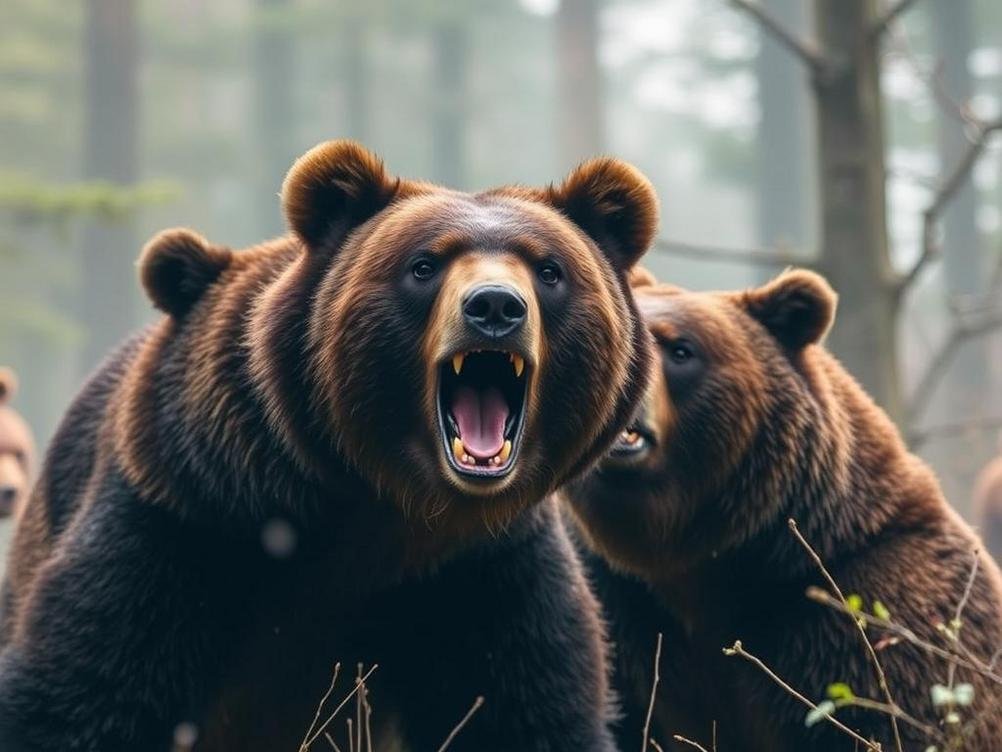
When Bears Attack: How Japan’s Wild Encounters Fueled AI Fake News and Online Mayhem
Picture this: you’re scrolling through your social media feed one lazy afternoon, and suddenly, bam—images of ferocious bears rampaging through bustling Japanese streets pop up. People are freaking out, sharing warnings left and right, and before you know it, the whole thing spirals into a digital dumpster fire. That’s pretty much what happened recently when real bear attacks in Japan got tangled up with a bunch of AI-generated fakes. It’s like that old game of telephone, but with high-tech twists that led to service disruptions and a whole lot of confusion. I mean, who would’ve thought that some furry forest dwellers could cause such a ruckus in the world of artificial intelligence? It all started with legitimate reports of bears wandering into human territories in places like Hokkaido and Akita, where these animals have been making headlines for encroaching on urban areas. But then, enter the AI wizards—or should I say mischief-makers—who whipped up hyper-realistic images of bears chasing salarymen through Tokyo subways or lounging in onsens. These fakes spread like wildfire, fooling even the savviest internet users and overloading platforms with panicked queries and shares. The result? Social media sites buckling under the pressure, with temporary outages and slowed services as algorithms scrambled to sort fact from fiction. It’s a wild reminder of how AI can amplify real events into chaotic spectacles, blending the line between reality and digital fabrication in ways that keep us all on our toes. And let’s not forget the humor in it—imagine a bear photobombing your vacation pics, but make it viral and fake. This incident isn’t just a quirky story; it’s a peek into the growing pains of our AI-driven world, where misinformation can disrupt daily life faster than you can say “kuma” (that’s Japanese for bear, by the way).
The Real Bear Deal: What’s Happening in Japan?
Okay, let’s ground this in reality before we dive into the AI madness. Japan has been dealing with an uptick in bear sightings and attacks over the past few years. In regions like Hokkaido, where brown bears roam wild, encounters with humans are becoming more common due to factors like climate change, habitat loss, and even the bears’ growing boldness. Last year alone, there were reports of over 200 bear-related incidents, including attacks that left people injured. It’s not like these bears are out for revenge or anything; they’re just trying to survive in a shrinking world.
But here’s where it gets interesting—media coverage of these events exploded, with local news outlets sharing grainy photos and eyewitness accounts. People started sharing their own stories online, and suddenly, bears were the hot topic. It’s fascinating how something as primal as a wild animal can capture our collective imagination in this tech-saturated age. I remember reading about a guy who fended off a bear with nothing but a backpack—talk about a story that sticks with you!
Statistically speaking, Japan’s bear population is estimated at around 10,000 to 15,000, and with human expansion, conflicts are inevitable. Organizations like the Japan Bear Network are working on awareness campaigns, but the fear factor is real. It’s like living next to a grumpy neighbor who occasionally raids your trash—annoying and a bit scary.
Enter AI: The Fake Image Factory
Now, shift gears to the digital side. As news of these bear attacks spread, creative folks (or bored trolls) turned to AI tools to generate fake images. We’re talking about platforms like Midjourney or DALL-E, where you can type in “bear attacking Tokyo crowd” and poof—out comes a convincing pic. These images looked so real that they fooled thousands, getting shared on Twitter, Instagram, and even news aggregation sites.
Why does this happen? Well, AI image generators have gotten scarily good at mimicking reality. They pull from vast datasets of photos, learning to create details like fur textures, lighting, and even panicked facial expressions. It’s like giving a kid a box of crayons, but the kid is a supercomputer that never runs out of ideas. The humor here is in the absurdity— one viral image showed a bear sipping sake in a bar, which, while hilarious, added to the confusion.
To make it more relatable, think about that time you saw a deepfake video of a celebrity doing something ridiculous. Same vibe. Experts estimate that AI-generated content now makes up a significant chunk of online media, with tools from sites like OpenAI’s DALL-E being accessible to anyone with an internet connection.
Service Disruptions: When the Internet Bears Down
As these fake images went viral, social media platforms felt the heat. Servers got overloaded with traffic as users flooded in to verify or debunk the stories. Imagine millions of people searching “Japan bear attack real?” all at once—it’s a recipe for digital gridlock. Platforms like Twitter (now X) reported temporary outages in certain regions, with loading times skyrocketing and features glitching out.
This isn’t just annoying; it’s disruptive. Businesses relying on these platforms for communication saw delays, and emergency services had to deal with false alarms. It’s like throwing a wrench into the gears of our connected world. I chuckled thinking about IT teams scrambling like they were the ones being chased by bears.
According to reports from cybersecurity firms, such misinformation spikes can increase traffic by up to 300%, leading to what experts call “denial-of-service by virality.” It’s a self-inflicted wound, really, born from our love of sharing without thinking.
The Misinformation Menace: Why It Matters
Beyond the laughs, this bear-AI saga highlights a bigger issue: misinformation in the age of AI. When fake images mix with real news, it erodes trust. People start questioning everything, which can lead to panic or apathy—neither is great. In Japan, authorities had to issue statements clarifying that no, bears weren’t invading major cities, but the damage was done.
It’s reminiscent of other AI-fueled hoaxes, like the fake Pentagon explosion image that tanked stock markets briefly. We need better tools to detect these fakes, maybe watermarking or AI detectors. But until then, it’s on us to pause and think before sharing. Ever fallen for a fake news story? I have, and it’s embarrassing!
Studies show that misinformation spreads six times faster than the truth on social media. That’s a stat that should make us all a bit more vigilant.
How to Spot AI Fakes: Tips from the Trenches
Alright, let’s get practical. How do you tell if that bear pic is real or AI-born? First, check for inconsistencies—like weird lighting or proportions that don’t add up. AI often messes up hands or backgrounds in subtle ways.
Second, use reverse image search tools like Google Images or TinEye. If it pops up nowhere else, suspicion level rises. And don’t forget fact-checking sites like Snopes—they’re lifesavers.
- Look for metadata: Real photos often have camera details; AI ones don’t.
- Ask: Does this make sense? Bears in Tokyo? Unlikely without massive news coverage.
- Verify sources: Stick to reputable outlets, not random social posts.
Practicing these habits can save you from falling into the misinformation trap. It’s like being a digital detective—fun, right?
The Lighter Side: Bears, AI, and Internet Humor
Amid all the chaos, there’s a silver lining: the memes. Oh, the memes! People photoshopped bears into famous Japanese landmarks, creating a whole genre of bear humor. It’s like the internet’s way of coping—turning fear into fun.
One of my favorites was a bear dressed as a samurai, captioned “Bear-urai.” Corny? Yes. Hilarious? Absolutely. This blend of real events and digital creativity shows how AI can be a force for good vibes too, if used right.
Even celebrities jumped in, with some tweeting jokes about bear-proofing their homes. It’s a reminder that humor can diffuse tension, making tough topics more approachable.
Conclusion
Wrapping this up, the bear attacks in Japan turning into an AI fake fest is a quirky yet telling tale of our times. It shows how real-world events can snowball into digital disruptions, all thanks to tech that’s both amazing and a bit scary. We’ve laughed at the absurdity, pondered the pitfalls of misinformation, and picked up tips to navigate this wild online jungle. Ultimately, it’s a call to be smarter consumers of content—question more, share less impulsively, and maybe appreciate the real bears from a safe distance. Who knows what the next viral mix-up will be? Stay curious, stay skeptical, and let’s keep the internet from going totally bear-zerk. If nothing else, this story proves that even in 2025, nature and tech can team up for some unforgettable chaos.









Leave a Reply