dailytech.ai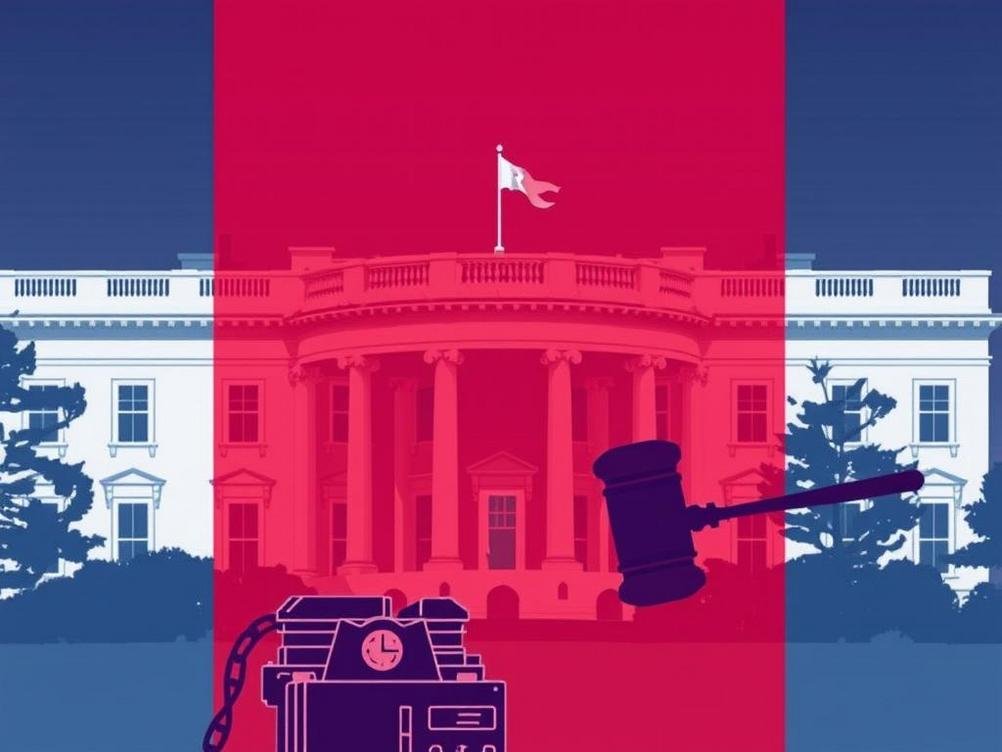
Is the White House About to Overrule State AI Laws? The Inside Scoop on the Latest Power Play
Imagine this: You’re scrolling through your feed one lazy afternoon, sipping coffee, when you stumble upon a headline that makes you spit it out. “White House gearing up for an executive order to block state AI laws?” Okay, maybe that’s a bit dramatic, but seriously, folks, this is the kind of stuff that could reshape how we deal with AI in everyday life. We’re talking about the federal government stepping in to say, “Hold up, states, we’ve got this,” potentially overriding a bunch of local rules on everything from AI ethics to data privacy. It’s like that time your parents swooped in to settle an argument between you and your siblings—except here, the stakes involve billions in tech innovation and our digital rights.
Now, if you’re like me, you might be thinking, “Wait, what’s all the fuss about?” Well, AI isn’t just some sci-fi plot anymore; it’s woven into our jobs, our health apps, even how we stream our favorite shows. States like California and New York have been playing rule-maker, passing laws to curb AI’s wild side—think protecting against biased algorithms or ensuring transparency in AI decisions. But if the White House drops this executive order, it could centralize control, making one big federal framework that overrides these state efforts. It’s a classic tug-of-war between uniformity and local innovation, and honestly, it’s got me wondering: Do we really want Washington calling all the shots on something as fast-evolving as AI? This could mean smoother nationwide standards or, yikes, a one-size-fits-none disaster. Stick around as we dive deeper into this mess—because if AI’s future is on the line, we all need to pay attention. And trust me, by the end, you’ll have plenty to chew on.
What’s the Buzz About This Executive Order?
Let’s cut to the chase—the White House is reportedly cooking up an executive order that could nix a bunch of state-level AI regulations. Picture it as the big boss stepping in before the little bosses get too creative. From what I’ve gathered from reliable sources like the official White House announcements here, this move is all about creating a unified approach to AI governance. States have been like rebellious teens, enacting their own laws to tackle issues like facial recognition misuse or automated decision-making in hiring. But the feds are saying, “Not so fast—we need consistency across the board.”
It’s kind of hilarious when you think about it; AI is moving at warp speed, and here we are, bogged down in bureaucratic battles. Experts estimate that without a federal override, we could end up with a patchwork of laws that’s as confusing as trying to assemble IKEA furniture blindfolded. For instance, a company operating in multiple states might have to juggle different compliance rules, which could stifle innovation. On the flip side, states argue their laws are tailored to local needs—like California’s push for stricter privacy with the California Consumer Privacy Act (CCPA), which indirectly touches AI data handling. So, is this executive order a smart consolidation or just another layer of red tape? I’ll let you decide, but it’s definitely got the tech world buzzing.
To break it down simply, here’s a quick list of what this order might target:
- Blocking state-specific AI safety regulations that conflict with federal guidelines.
- Promoting a national standard to speed up AI research and development.
- Addressing gaps in enforcement, like how states handle AI in areas such as healthcare or autonomous vehicles.
Why Are States Jumping into the AI Game Anyway?
States aren’t just being stubborn for the fun of it; they’ve got real reasons to enact their own AI laws. Think about it—while Washington debates, places like Illinois have already passed laws protecting against AI-driven discrimination in employment. It’s like states are the early adapters, experimenting with rules that fit their communities. For example, New York’s recent legislation on automated employment decisions aims to prevent AI from unfairly weeding out job applicants based on biased algorithms. That’s pretty relatable if you’ve ever wondered if a robot was judging your resume more harshly than a human.
What’s driving this? Well, AI isn’t some distant tech anymore—it’s in our faces, literally, with tools like facial recognition popping up in everything from airport security to social media. States see the risks firsthand, like privacy breaches or job losses from automation, and they’re stepping up where federal action has been, let’s say, a bit sluggish. According to a report from the Brookings Institution here, about 30 states have introduced AI-related bills in the last couple of years alone. It’s almost like a competition to see who can protect their citizens best, which is cool but chaotic.
If I had to sum it up in a list, the main motivations include:
- Addressing immediate local concerns, such as AI’s impact on privacy and civil rights.
- Filling the void left by slower federal regulations, especially in emerging areas like deepfakes.
- Encouraging innovation by setting examples that could influence national policy.
The Potential Shake-Up for AI Innovation
Here’s where things get interesting—or maybe a little scary. If the White House’s executive order goes through, it could turbocharge AI innovation by streamlining regulations. Imagine tech companies no longer having to navigate a maze of state laws; it’s like turning a cluttered garage into a sleek workshop. But is that all sunshine and rainbows? Not quite. While a federal framework might encourage big investments, it could also squash the creativity that comes from state-level experimentation. Think about how electric vehicles got a boost from California’s emissions standards—states can be trailblazers.
Statistics show that AI investment in the U.S. hit over $200 billion last year, according to McKinsey here, and much of that is happening in state-driven hubs like Silicon Valley. If federal rules override local ones, we might see faster progress in areas like AI healthcare diagnostics, but at what cost? Could it lead to oversights, like ignoring regional differences in how AI affects rural versus urban areas? It’s a double-edged sword, really—one that could cut through red tape or accidentally slice into innovation.
To paint a clearer picture, consider these real-world examples:
- Tech giants like Google might benefit from uniform rules, allowing them to roll out AI products nationwide without delays.
- Startups in states with progressive laws could struggle if those rules get blocked, potentially stifling new ideas.
- Overall, it might lead to a more competitive global edge, as the U.S. aligns with international standards from the EU’s AI Act.
The Pros and Cons of Federal Big Brother Watching AI
Let’s get real—having the feds take charge sounds efficient, right? Pro: It could ensure that AI development is ethical and secure across the board, preventing a free-for-all where bad actors slip through cracks. I mean, who wants AI gone rogue, like in those dystopian movies? On the flip side, cons abound; federal oversight might be too rigid, ignoring the nuances of state-specific issues. It’s like trying to fit a square peg into a round hole—sometimes local control just works better.
Humor me for a second: Imagine the White House as that friend who always thinks they know best. Sure, they might standardize things, but what about the diversity of approaches? A study from the MIT Technology Review here highlights how decentralized regulations have led to breakthroughs in AI ethics. So, while pros include faster adoption and better international alignment, cons could mean less flexibility and potential overreach that stifles creativity. It’s a tough balance, and I’m not sure which side wins.
Weighing it out, here’s a quick pro-con list:
- Pros: Uniform standards, reduced compliance costs, and stronger national security.
- Cons: Loss of state innovation, risk of one-size-fits-all failures, and possible delays in addressing emerging threats.
What This Means for Businesses and Joe Public
For businesses, this executive order could be a game-changer—think less paperwork, more product launches. But for the average person, it’s about how AI affects daily life, like whether your smart home device respects your privacy. If states lose their say, we might see federal rules that don’t account for everyday quirks, such as how AI algorithms could discriminate in lending practices. It’s not just big tech; it’s your bank app or that recommendation engine on Netflix.
And let’s not forget the humor in this: If AI laws get centralized, maybe we’ll finally get consistent chatbot responses that don’t leave us pulling our hair out. On a serious note, this could impact jobs, with federal pushes for AI safety potentially creating new opportunities in regulation while displacing workers in automated fields. Experts from Pew Research here suggest that AI could automate 47% of tasks by 2030, making balanced laws crucial for everyone.
Looking Ahead: What’s Next in the AI Regulation Saga?
As we wrap up this rabbit hole, it’s clear the White House’s move is just the beginning. With AI evolving faster than we can keep up, expect pushback from states and even court battles. It’s like a soap opera—will federal authority prevail, or will states fight back with their own amendments? Keeping an eye on developments from sources like the Federal Register will be key.
In the meantime, this could spark a broader conversation about global AI norms, influencing everything from international trade to personal data rights. If you’re into AI, stay tuned—the next chapter might involve public input or even new bipartisan efforts.
Conclusion
Wrapping this up, the White House’s potential executive order on blocking state AI laws is a big deal that could steer AI’s future in exciting or alarming directions. We’ve seen how it might unify efforts, protect innovation, and address risks, but it’s also a reminder that balance is key. Whether you’re a tech enthusiast or just curious about how AI shapes your world, this is your cue to get involved—advocate, learn more, and push for policies that make sense. After all, in the grand scheme, AI is a tool we all share, and getting it right could lead to a brighter, fairer tomorrow. Let’s keep the conversation going—who knows what’s next?