
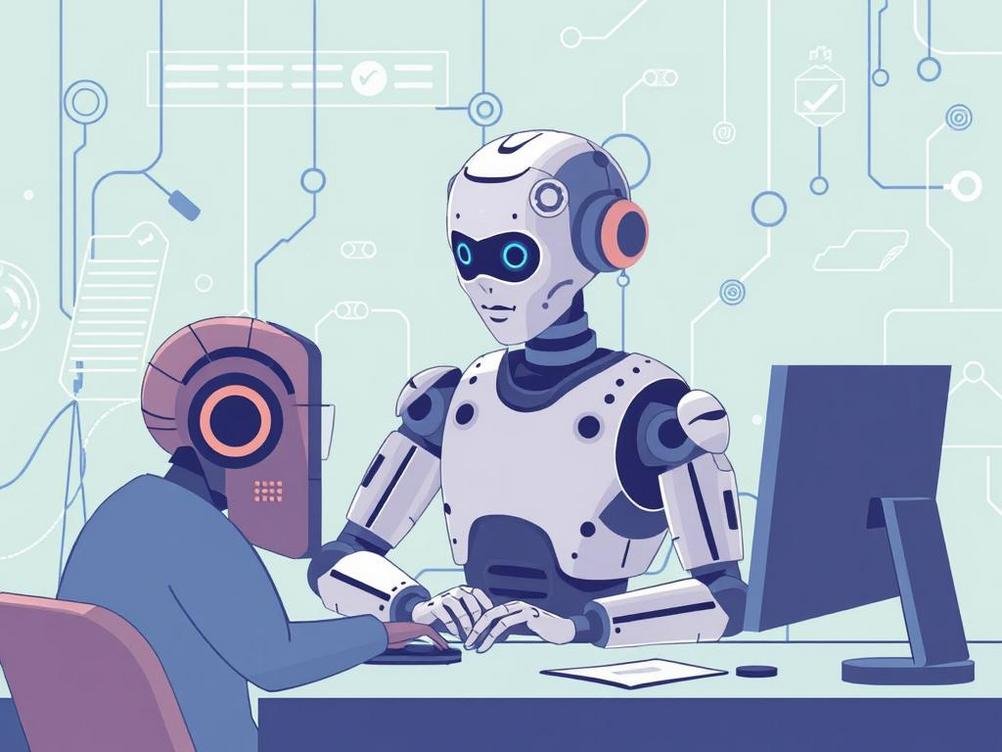
Why AI Isn’t Snatching Your Job – It’s Inventing Cool New Ones Instead!
Why AI Isn’t Snatching Your Job – It’s Inventing Cool New Ones Instead!
Ever feel like AI is this sneaky villain in a sci-fi flick, ready to zap away your 9-to-5 and leave you twiddling your thumbs? I mean, headlines are always screaming about the ‘job apocalypse,’ making it sound like we’re all doomed to a future of robot overlords. But hold on a second—let’s pump the brakes and get real. AI isn’t here to steal your lunch; it’s more like that eccentric inventor friend who’s always coming up with wild new gadgets to make life easier. Take it from me, as someone who’s geeked out on tech for years, this whole narrative is a bit overblown. Sure, some jobs are evolving faster than a kid on a sugar rush, but AI is actually cracking open doors to all sorts of fresh opportunities that didn’t even exist a decade ago. We’re talking roles that blend creativity, tech savvy, and a dash of human touch—stuff that makes you go, ‘Wait, I could do that?’
In this article, we’re diving into how AI is flipping the script on employment, turning what seems like a threat into a goldmine of innovation. I’ll share some real-world stories, sprinkle in a few laughs (because who doesn’t need that?), and break down why you shouldn’t lose sleep over the bots taking over. By the end, you might just see AI as your new career wingman rather than a nemesis. Remember that World Economic Forum report from a couple of years back? It predicted AI could create over 12 million new jobs by 2025—yeah, that’s right around the corner! So, buckle up, because we’re about to explore how this tech is not just surviving but thriving in our everyday lives, and how you can jump on board.
The Myth of the Job Apocalypse
You know that old saying, ‘Don’t believe everything you read’? Well, it totally applies to all the doom-and-gloom stories about AI wiping out jobs. People have been freaking out about machines taking over since the Industrial Revolution, and here we are, still employed and kicking. It’s like worrying that your smartphone will replace your brain—sure, it helps you remember stuff, but it doesn’t mean you’re obsolete. The truth is, AI is more of a helper than a destroyer, automating the boring, repetitive tasks so we humans can focus on what we do best: thinking creatively and solving problems that require a spark of intuition.
Take a step back and consider history. Every big tech leap, from the assembly line to the internet, sparked fears of mass unemployment. But what happened? New industries popped up, creating even more jobs than before. AI is just the latest chapter in that story. According to Statista, employment in tech sectors has grown by leaps and bounds, with AI-related jobs increasing by 20% annually in recent years. So, next time you hear about the ‘job apocalypse,’ picture it as a Halloween costume—scary on the surface, but not the real deal.
- AI isn’t eliminating jobs; it’s reshaping them, like how email changed snail mail but didn’t kill communication.
- Many ‘lost’ jobs are ones no one wants anyway, like data entry drudgery—freeing us up for more fulfilling work.
- Think of it this way: AI is the sidekick, not the superhero, in the employment saga.
How AI is Spawning New Careers
Alright, let’s get to the fun part—AI isn’t just sitting around; it’s busy cooking up entirely new career paths that sound like they jumped out of a sci-fi novel. We’re talking about jobs like ‘AI ethicist,’ where you basically play moral guardian for algorithms, making sure they don’t go rogue and start favoring cat videos over world peace. Or how about ‘prompt engineers’? These folks are like the wizards behind the curtain for tools like ChatGPT, crafting the perfect queries to get AI to spit out golden responses. It’s hilarious to think that just a few years ago, nobody was dreaming up these roles, but now they’re in hot demand.
If you’re picturing a bunch of coders huddled in dark rooms, think again. AI is democratizing jobs, making them accessible to people from all walks of life. For instance, a marketing whiz could become an ‘AI content strategist,’ using machine learning to personalize ads that actually hit home. The U.S. Bureau of Labor Statistics projects that AI and machine learning specialist jobs will grow by 22% through 2030—that’s faster than a kid running to the ice cream truck! So, instead of fearing the unknown, why not see it as an invite to level up your skills?
- New gigs include ‘robot supervisor’ roles in warehouses, where humans oversee AI-driven bots—talk about a plot twist!
- AI is creating opportunities in unexpected places, like healthcare, where ‘AI diagnostic assistants’ help doctors spot issues early.
- It’s like planting seeds in a garden; AI waters them, and boom, you get a harvest of fresh jobs.
Real-World Examples of AI Jobs in Action
Let’s make this concrete—who wants abstract theories when we can talk about real people cashing in on AI? Take my buddy Sarah, for example. She was a graphic designer stuck in a rut, but then she pivoted to being an ‘AI-enhanced designer,’ using tools like Adobe’s Sensei to automate the boring parts of her work. Now, she’s cranking out designs faster than ever and even consulting for big brands. Or consider the rise of ‘data storytellers,’ who turn complex AI-generated data into engaging narratives for businesses. It’s not just tech bros getting in on this; it’s everyday folks finding their niche.
And let’s not forget the stats—LinkedIn reports that AI/ML engineer positions have seen a 74% increase in postings over the last five years. Companies like Google and IBM are hiring for roles that blend AI with creativity, such as ‘AI experience designers’ who ensure tech feels intuitive and user-friendly. If that’s not a sign that AI is the gift that keeps on giving, I don’t know what is. Imagine AI as that reliable coworker who handles the grunt work while you shine in the spotlight.
- First off, check out platforms like Coursera for AI courses; they’re free or cheap and can get you started pronto.
- Look at success stories on sites like LinkedIn, where people share how they transitioned into AI roles.
- Don’t overlook niche jobs, like ‘AI in agriculture’ specialists who use drones and algorithms to boost crop yields—it’s saving the planet and your resume!
Skills You Need to Thrive in the AI Era
So, you’re sold on the idea that AI is creating jobs, but what’s the secret sauce to landing one? It’s not all about being a coding genius—though that helps. Think of it like preparing for a road trip: you need a mix of tools, like basic tech skills, soft skills such as communication, and a willingness to learn on the fly. For instance, understanding how to work with AI tools means you can adapt quicker than a chameleon on a rainbow. Classes on platforms like Coursera can teach you the ropes without breaking the bank.
Humor me for a sec: If AI is the new kid on the block, you want to be the one who knows how to throw the best block party. That means picking up skills like data analysis or ethical AI practices. A study from McKinsey suggests that by 2030, 375 million workers might need to switch occupations due to AI, but that’s only if they don’t upskill. So, grab that metaphorical surfboard and ride the wave—it’s way more fun than getting washed out.
- Start with foundational stuff, like learning Python, which is as user-friendly as your favorite app.
- Don’t forget soft skills; AI might crunch numbers, but you need to explain what they mean to the boss.
- Blend in some creativity—AI jobs often require thinking outside the box, like designing chatbots that actually sound human.
Debunking Common Fears About AI and Work
Let’s address the elephant in the room—or should I say, the robot in the room? A lot of folks worry that AI will make their skills irrelevant, like that old VHS player gathering dust. But here’s the thing: AI amplifies what humans do best. It’s not about replacement; it’s about partnership. For example, in customer service, AI chatbots handle the simple queries, leaving the complex ones for people who can offer empathy and nuance. That’s why, according to Gartner, by 2025, AI will create more jobs in augmentation than it displaces.
If you’re still skeptical, consider this: Every tech revolution has had its naysayers, but look at how the internet turned out. It didn’t kill jobs; it exploded e-commerce and remote work. AI is doing the same, opening up global opportunities. It’s kinda like that friend who encourages you to try new things—scary at first, but ultimately rewarding.
- Fear #1: AI will take all creative jobs—nah, it’s more like a co-creator, helping artists generate ideas.
- Fear #2: Only tech experts can succeed—wrong, basic AI literacy is accessible to everyone, like learning to drive a car.
- Fear #3: It’s too late to start—pfft, the AI job market is booming, so jump in now!
The Future is Bright: AI and Employment Opportunities
Peering into the crystal ball, the future of AI and jobs looks pretty sunny, doesn’t it? We’re on the cusp of an era where AI doesn’t just support businesses but transforms entire industries. Think autonomous vehicles creating fleets of ‘AI fleet managers’ or virtual reality merging with AI for immersive training programs. It’s exciting stuff, and if you play your cards right, you could be at the forefront. I mean, who wouldn’t want to say, ‘I rode the AI wave before it was cool?’
With governments and companies investing billions— like the EU’s AI Act pushing for ethical development— we’re seeing a surge in roles focused on sustainability and innovation. A report from PwC estimates that AI could add $15.7 trillion to the global economy by 2030, and that’s going to need a lot of human input. So, instead of fretting, let’s get pumped about the possibilities.
- Emerging fields like AI in entertainment are creating ‘virtual world builders’ for games and metaverses.
- Education is another hotspot, with ‘AI tutors’ personalizing learning for students worldwide.
- It’s all about balance—AI handles the data, you handle the dreams.
Conclusion
Wrapping this up, it’s clear that the so-called ‘job apocalypse’ is more hype than horror story. AI is out there crafting new paths, blending tech with human ingenuity in ways that make work more meaningful and, dare I say, fun. We’ve covered how it’s debunking myths, spawning fresh careers, and empowering us to skill up for the future. So, instead of viewing AI as a threat, let’s embrace it as a tool for growth and innovation.
At the end of the day, the jobs of tomorrow are waiting for curious minds like yours. Whether you’re dipping your toes into coding or just staying informed, remember: AI isn’t the end—it’s just the beginning. Let’s charge ahead with optimism, because in this brave new world, your potential is limitless. Who knows? You might just be the next AI pioneer. Now, go forth and conquer!
