dailytech.ai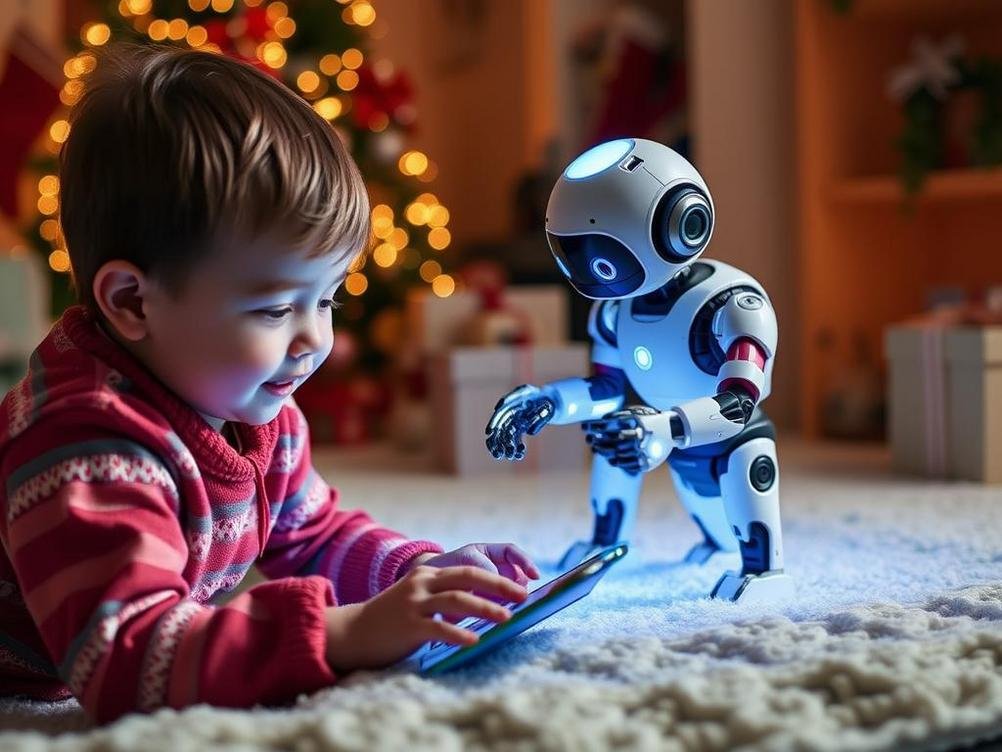
Why Parents Are Dumping AI Toys This Holiday Season – And What to Buy Instead
Picture this: It’s the holiday season, and you’re knee-deep in toy catalogs, desperately trying to find that perfect gift for your little one. But wait, what if I told you that some of those shiny, AI-powered gadgets might be more trouble than they’re worth? Yeah, advocacy groups are raising red flags, urging parents to hit the brakes on AI toys. It’s like that time I bought my nephew a robot that kept asking existential questions at 2 a.m. – not exactly the peaceful playtime I had in mind. These groups aren’t just being party poopers; they’ve got real concerns about privacy, safety, and how these tech toys might mess with kids’ development. Think about it: in a world where our kids are already glued to screens, do we really need toys that spy on them or push ads when they’re supposed to be just playing?
This whole debate isn’t new, but it’s hitting harder this year as AI weaves its way into everything from talking dolls to smart building blocks. Groups like the Campaign for a Commercial-Free Childhood and the Electronic Privacy Information Center are stepping in, warning that these toys could be collecting data on your child’s voice, habits, and even their play patterns without you knowing it. It’s enough to make you second-guess wrapping that high-tech gadget under the tree. In this article, we’re diving into why these warnings matter, what risks are lurking in those plastic shells, and hey, some fun alternatives that won’t turn your home into a data mine. Whether you’re a tech-savvy parent or someone who still thinks AI is just a sci-fi flick, let’s unpack this mess with a bit of humor and a lot of common sense. After all, the holidays should be about joy, not jargon-filled privacy policies.
What’s the Big Fuss About AI Toys Anyway?
You know, it’s easy to get swept up in the hype. AI toys sound cool – they talk back, learn your kid’s name, and maybe even tell a joke or two. But let’s face it, not everything that glitters is gold. Advocacy groups are pointing out that these toys often come packed with microphones and cameras that could be listening in on family chats or tracking what your child says. Imagine a toy that’s basically a mini spy in your living room; that’s not the kind of playmate I’d want for my kids. And it’s not just paranoia – reports from organizations like EPIC highlight how data breaches have exposed kids’ information in the past.
Take, for example, those interactive dolls that respond to voice commands. They’re fun until you realize they might be sending data back to servers owned by big tech companies. It’s like inviting a nosy neighbor over for dinner every day. Plus, with cyber threats on the rise, these toys could be gateways for hackers. I mean, who wants to deal with a toy that’s more vulnerable than your average Wi-Fi router? The fuss is real because, at the end of the day, we’re talking about our kids’ safety and privacy in an era where data is the new oil.
To break it down, here are a few key issues that have groups up in arms:
- Privacy invasions: Many AI toys collect voice data without clear consent, potentially sharing it with third parties.
- Security risks: Unpatched software in these devices can lead to hacks, as seen in cases where toys were exploited for ransomware.
- Overhyped features: Some toys promise the world but deliver subpar interactions, leaving kids disappointed and parents frustrated.
The Real Concerns Straight from Advocacy Groups
Alright, let’s get into the nitty-gritty. Groups like the Campaign for a Commercial-Free Childhood aren’t just throwing shade; they’ve got studies and reports backing them up. They’re worried that AI toys turn playtime into a marketing goldmine, where kids’ data gets sold to advertisers. It’s like those cookies on websites, but for your toddler’s bedtime stories. These organizations have been lobbying for better regulations, pointing out how lax laws around kids’ tech can lead to all sorts of ethical minefields.
One biggie is the potential for manipulation. AI toys might use algorithms to keep kids hooked, similar to how social media apps do with adults. Ever notice how your phone seems to know exactly what you want? Well, these toys could be doing the same to impressionable minds, pushing them towards certain behaviors or products. And don’t even get me started on the environmental angle – many of these toys are made with cheap plastics that end up in landfills, adding to the holiday waste pile. It’s a wake-up call that makes you think twice about that impulse buy at the mall.
If you’re curious about specific examples, look at the 2023 incident with a popular AI pet toy that was found to have a data leak, exposing thousands of users’ info. That’s not ancient history; it’s a reminder that tech isn’t always as secure as we’d like. Advocacy groups are pushing for parents to demand transparency, like clear labels on toys about data collection practices.
How AI Toys Could Mess with Kids’ Development
Here’s where it gets a bit more personal. I’ve got friends who swear by screen-free play for their kids, and after hearing about AI toys, I’m starting to see why. These gadgets might seem educational, but they could actually stunt real creativity. Instead of building a fort with actual blocks, kids might just bark orders at a robot, missing out on the hands-on learning that sticks. It’s like comparing a video game to playing outside – one’s fun, but the other builds real skills.
Studies, such as those from the American Psychological Association, suggest that excessive screen time from a young age can lead to shorter attention spans and even sleep issues. Imagine a toy that’s programmed to respond instantly; it might train kids to expect the world on demand, which isn’t how life works. And let’s not forget the social side – if kids are chatting with AI instead of real humans, they might struggle with empathy and face-to-face interactions later on. It’s a bit like growing up with only chatbots as friends; sounds lonely, right?
- Attention problems: Constant stimulation from AI can make it harder for kids to focus on non-digital tasks.
- Emotional impacts: Over-reliance on tech might hinder emotional development, as kids learn to express themselves to machines rather than people.
- Physical health: Less active play could mean more sedentary time, contributing to childhood obesity rates, which have risen by 20% in the last decade according to CDC stats.
Smarter Alternatives for Holiday Gift-Giving
Okay, so we’re ditching the AI toys – now what? Don’t worry, there are plenty of awesome options that won’t compromise your kid’s privacy or your sanity. Think classic toys with a twist, like wooden puzzles or art sets that encourage imagination without any screens. I remember my childhood with a simple Lego set; hours of fun without a single data breach. Brands like Melissa & Doug offer great stuff that’s durable and engaging, and they’re not trying to eavesdrop on your family dinners.
Another angle is opting for outdoor gear. A good old bike or a kite can get kids moving and exploring, which is way better for their health than staring at a glowing toy. Plus, it’s eco-friendly – no batteries required! If you want a nod to tech without going full AI, check out STEM kits from sites like KiwiCo, which teach coding through hands-on projects. They’re fun, educational, and don’t involve creepy data collection. The key is to balance fun with safety, making sure gifts promote real-world skills.
To make it easier, here’s a quick list of holiday swaps:
- Swap AI dolls for storytelling books that spark creativity.
- Trade robot pets for real ones, like a hamster, if you’re up for the responsibility.
- Go for board games that build family bonds instead of digital distractions.
What Can Parents Do to Stay Ahead of the Curve?
As a parent, you’ve got the power to make smarter choices, and it starts with doing your homework. Before buying any toy, read the fine print on privacy policies – yeah, I know, it’s as exciting as watching paint dry, but it could save you headaches later. Join online communities or forums where parents share experiences; places like Reddit’s r/Parenting have threads dedicated to tech toys gone wrong. It’s like crowdsourcing wisdom without the corporate spin.
Set some ground rules at home, too. Limit screen time and encourage activities that don’t involve gadgets. And hey, if you do decide to go with an AI toy, look for ones certified by organizations like the KidSafe Seal program. They vet for safety and privacy, so it’s one less thing to worry about. Remember, it’s not about banning tech entirely; it’s about making sure it enhances life without overstepping boundaries. With a little effort, you can navigate this digital jungle like a pro.
The Bigger Picture: AI’s Role in Our Daily Lives
Zooming out, this AI toy drama is just a slice of the bigger pie. AI is everywhere now, from your smart fridge to your car’s navigation system, and it’s not going away. But as we embrace it, we’ve got to ask ourselves: at what cost? These advocacy warnings are a nudge to think about how AI shapes society, especially for the next generation. It’s like that friend who points out when you’re drinking too much coffee – annoying at first, but probably for the best.
Statistically, AI adoption has exploded, with reports from Gartner showing a 30% increase in consumer AI devices since 2023. That’s great for innovation, but it also means more potential pitfalls. The key is advocating for better regulations, like the proposed Kids Online Safety Act, which could force companies to prioritize children’s privacy. In the end, it’s about striking a balance so AI serves us, not the other way around.
Conclusion
Wrapping this up, the call from advocacy groups to skip AI toys this holiday season isn’t about raining on your parade; it’s about making informed choices that protect your family. We’ve covered the risks, the alternatives, and why this matters in the grand scheme. By opting for toys that foster real connections and creativity, you’re not just avoiding potential headaches – you’re setting your kids up for a healthier, more balanced future. So, as you hit the stores or scroll online, remember: the best gifts are the ones that bring joy without the strings attached. Here’s to holidays filled with laughter, not loopholes, and maybe a toy that doesn’t need a password to play.