dailytech.ai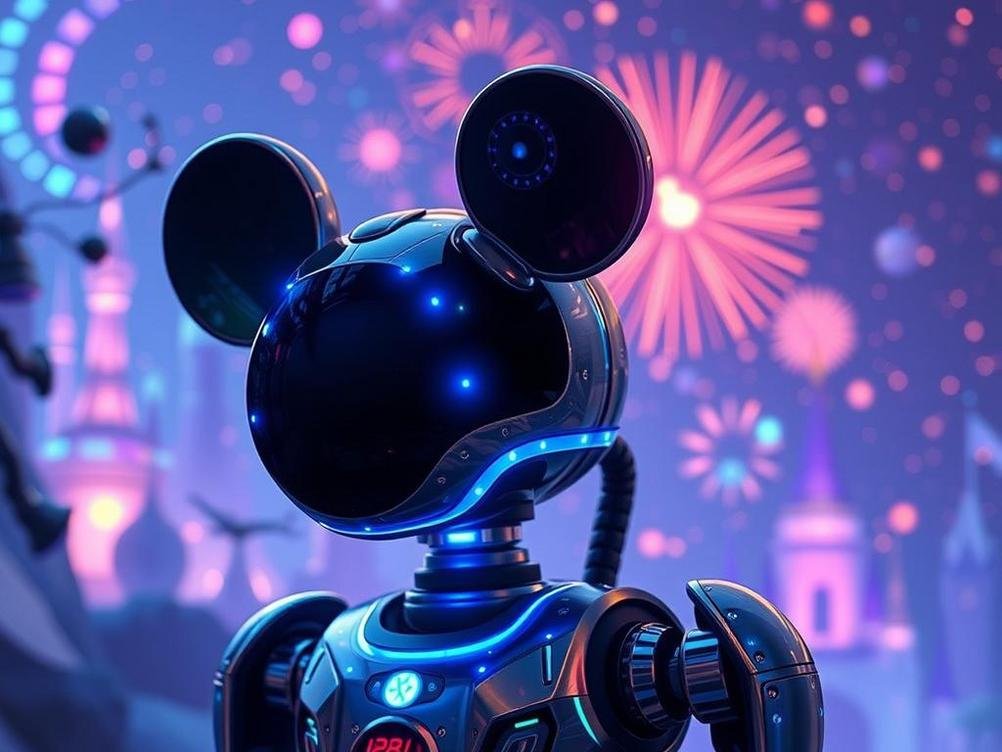
Why Disney’s AI Adventure Might Be a Wild Ride Gone Wrong
Imagine this: You’re at Disneyland, munching on a churro, watching a parade where Mickey Mouse suddenly starts doing some hyper-realistic dance moves thanks to some fancy AI wizardry. Sounds magical, right? But hold on a second—what if that same tech glitches and turns the happiest place on Earth into a digital disaster zone? That’s the vibe with Disney’s latest plunge into AI, and trust me, it’s riskier than betting your lunch money on a street corner game of three-card monte. We’ve all heard about how AI is revolutionizing everything from streaming recommendations to special effects, but when a company like Disney, the king of fairy tales and blockbuster hits, starts gambling big on it, things get complicated. Is this a smart move that’ll keep them ahead of the curve, or could it backfire in ways we haven’t even imagined yet? In this article, I’ll break it down for you—the hype, the hazards, and why you should care as a fan or even just a casual observer of the entertainment world. We’re talking potential plot twists that could rival any Marvel movie, so stick around as we dive into the nitty-gritty of Disney’s AI bet and what it means for the future of fun.
Look, I’ve always been a sucker for Disney. Who isn’t? From childhood trips to the parks to binge-watching Pixar films on repeat, it’s woven into our culture. But lately, Disney’s been throwing money at AI like it’s candy at a parade, investing in everything from enhanced animation tools to personalized content algorithms. The idea is to make experiences more immersive and tailored, but here’s the catch: AI isn’t always the reliable sidekick it promises to be. We’ve seen glitches in other industries, like when social media feeds go haywire or self-driving cars make headlines for the wrong reasons. So, why should Disney be any different? This isn’t just about tech; it’s about preserving the magic that makes Disney, well, Disney. If AI starts calling the shots, could it dilute the human touch that fans crave? We’ll explore that and more, because in a world where algorithms rule, the risks might just outweigh the rewards for this entertainment giant.
What Exactly is Disney’s AI Gamble?
Okay, let’s cut to the chase—Disney’s AI gamble isn’t some vague experiment; it’s a full-on strategy that’s been brewing for years. They’re pouring billions into AI for stuff like improving their streaming service, Disney+, by recommending shows based on your viewing habits, or using it in theme parks to create more interactive rides. Picture this: an AI-powered robot version of your favorite character that chats with you in real-time. Sounds cool, but it’s a bet on technology that’s still pretty young and unpredictable. Disney’s leadership, including folks like CEO Bob Iger, have hyped it up as the next big thing, comparing it to how computers changed animation back in the 90s.
But here’s where it gets dicey. Unlike a surefire hit like Frozen, AI development is messy. It’s not just flipping a switch; it involves massive data sets, potential biases in algorithms, and the ever-present risk of cyberattacks. For instance, if Disney relies too heavily on AI for content creation, what happens if the system spits out something offensive or inaccurate? We’ve seen similar slip-ups with tools like ChatGPT, where outputs can be wildly off-base. It’s like trusting a novice chef with your family’s secret recipe—exciting, but one wrong ingredient and you’ve got a disaster on your hands.
To break it down simply, here’s a quick list of what Disney’s investing in:
- AI for personalized storytelling, like adaptive narratives in apps that change based on user input.
- Enhanced visual effects in movies, potentially cutting production time but risking creative blandness.
- Smart theme park features, such as AI-driven crowd management or interactive exhibits.
This gamble is all about staying competitive against rivals like Netflix, who are also all-in on AI, but Disney’s brand is so iconic that any misstep could amplify the fallout. It’s not just business; it’s about safeguarding a legacy.
The Potential Upsides: Why AI Looks So Appealing
Don’t get me wrong, AI isn’t all doom and gloom—there’s a reason Disney’s jumping on board. Think about how it could supercharge creativity. For example, AI can analyze viewer data to predict what kind of stories will hit big, helping Disney greenlight winners like their recent hits in the Marvel universe. It’s like having a crystal ball that says, “Hey, add more action scenes here and it’ll be a blockbuster.” Plus, in production, AI tools can speed up rendering processes, saving time and money. Imagine cutting months off a film’s post-production schedule—who wouldn’t want that?
From a consumer angle, AI promises a more tailored experience. Ever wished your Disney+ feed knew you better than your best friend? Well, that’s the goal. Algorithms could suggest content that’s spot-on, making your binge sessions feel less like scrolling through a haystack and more like a personalized adventure. And in the parks, AI could make wait times shorter or rides more exciting with dynamic elements. It’s akin to upgrading from a flip phone to a smartphone—suddenly, everything’s smarter and more efficient.
- Cost savings: AI can automate routine tasks, freeing up human creatives for the fun stuff.
- Innovation boost: Tools like Adobe’s AI features (like Adobe Firefly) could inspire new animation techniques.
- Global reach: AI translation could make Disney content accessible worldwide without losing its charm.
Statistics show that AI in entertainment is growing fast; a report from Statista predicts the market will hit over $30 billion by 2025. So, for Disney, it’s tempting to ride that wave and keep their empire thriving. But, as we’ll see, it’s not without its pitfalls.
Hidden Risks: What Could Go Wrong?
Alright, let’s get real—every magic trick has a catch, and Disney’s AI bet is no exception. One major risk is job displacement. If AI starts handling script writing or character design, what happens to the army of talented artists and writers at Disney? It’s like replacing a live band with a jukebox; sure, it’s convenient, but it lacks soul. We’ve already seen pushback in Hollywood with strikes over AI’s role in content creation, and Disney could face similar backlash from unions or fans who value human ingenuity.
Then there’s the tech itself. AI systems can be unpredictable, leading to errors that go viral. Remember when a major AI tool generated weird, distorted images that creeped everyone out? If that happens in a Disney context—say, a beloved character gets AI-altered in a promo—it could tarnish the brand overnight. Plus, privacy issues abound; AI relies on user data, and if Disney’s systems get hacked, that’s a nightmare scenario. It’s humorous to think about, but imagine if AI leaked spoilers for the next Star Wars movie—talk about a fan revolt!
In essence, the risks include ethical dilemmas and regulatory hurdles. Governments are cracking down on AI misuse, so Disney might face fines or restrictions. For a company built on family-friendly values, getting caught in a scandal could be devastating.
Real-World Examples from Other Companies
Disney isn’t the first to play this game, and looking at others can give us a heads-up. Take Netflix, for instance—they’ve used AI for recommendations for years, and it’s worked wonders, boosting their subscriber base. But even they hit snags, like when algorithms pushed controversial content that sparked outrage. It’s a reminder that AI can amplify problems if not handled carefully.
Over at Google, their AI experiments in advertising have led to some wins, but also epic fails, like when AI-generated ads were accused of being misleading. Metaphorically, it’s like trying to surf a massive wave—thrilling if you ride it right, but wipe out and you’re tumbled in the undertow. Similarly, in gaming, companies like Ubisoft have integrated AI for procedural worlds, but players complained about lack of depth. These examples show that while AI can innovate, it often needs a human hand to steer it.
- Success story: Spotify’s AI playlists keep users hooked.
- Failure lesson: Facebook’s AI moderation tools have made PR headaches.
- Hybrid approach: Many studios now use AI as a tool, not a replacement, to avoid pitfalls.
For Disney, learning from these could mean the difference between a home run and a strikeout.
How This Impacts Consumers and Creators
As a consumer, Disney’s AI push might mean more customized entertainment, but at what cost? Could it lead to a homogenized experience where everything feels algorithmically safe and boring? I mean, who wants every movie to be predictable just because AI thinks that’s what you’ll like? On the flip side, creators at Disney might feel threatened, worrying that their jobs are on the line. It’s a double-edged sword, like giving a kid unlimited candy—fun at first, but eventually, it might spoil the appetite.
From a broader view, this could shape the entire industry. If Disney succeeds, others will follow, potentially leading to an AI-dominated landscape. But if it flops, it might slow down innovation. Real-world insights, like the rise of AI in music production, show mixed results—some hits are born from it, but others lack that genuine spark. The key is balance, ensuring AI enhances rather than replaces human creativity.
- Consumer perks: Faster, more relevant content discovery.
- Creator concerns: Potential loss of autonomy and fair compensation.
- Industry shift: Pushing for new regulations to protect jobs and ethics.
The Future of AI in Entertainment
Looking ahead, AI in entertainment is inevitable, but Disney’s approach could set the tone. If they navigate the risks wisely, we might see groundbreaking stuff, like AI co-writing scripts that blend tech and talent seamlessly. Yet, the wild card is public opinion—fans are savvy and might rebel if they sense the magic is fading. It’s like evolving a video game character; get it right, and it’s epic, but mess up, and players quit.
Experts predict that by 2030, AI could handle up to 50% of creative tasks in media, according to a McKinsey report. For Disney, that means adapting quickly, perhaps by training staff in AI or forming ethics committees. The humor in all this? AI might one day direct a movie, but can it capture the heart like a human storyteller? Probably not, so here’s hoping Disney keeps that in mind.
Conclusion
In wrapping this up, Disney’s AI gamble is a thrilling yet treacherous path that could redefine entertainment or remind us why human touch matters. We’ve explored the highs of innovation and the lows of potential pitfalls, from job losses to ethical slip-ups. At the end of the day, it’s about striking a balance—embracing AI without losing the essence of what makes Disney so special. As consumers and creators, let’s keep an eye on how this unfolds and push for responsible tech use. Who knows? Maybe it’ll lead to even better stories, or perhaps it’ll be a lesson in humility for big corporations. Either way, the adventure’s just beginning, so stay tuned and let’s see if Disney can turn this gamble into a true fairy tale ending.