 dailytech.ai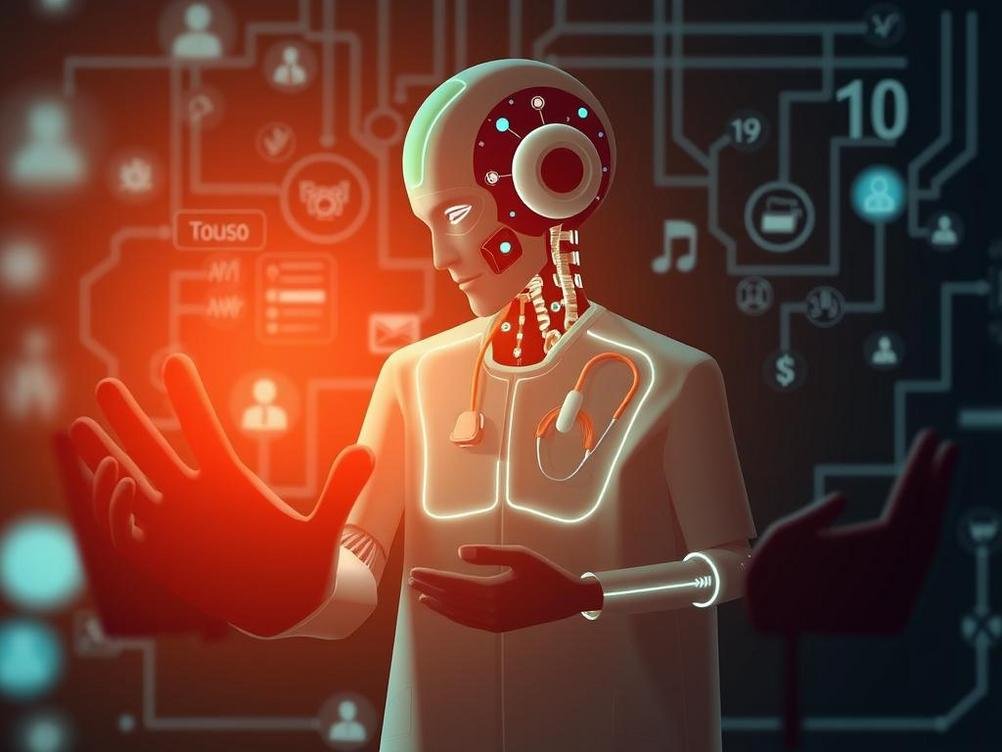
Why Healthcare is Dragging Its Feet on AI: Patient Safety Worries Taking Center Stage
Picture this: you’re at the doctor’s office, waiting for a diagnosis, and instead of a human poring over your scans, an AI system zips through it in seconds. Sounds futuristic and efficient, right? Well, that’s the dream, but in reality, healthcare is moving slower than a snail on a treadmill when it comes to adopting artificial intelligence. Why? The big bad wolf here is patient safety concerns. I’ve been digging into this topic, and it’s fascinating how something as revolutionary as AI hits a brick wall in medicine. You see, in other fields like finance or retail, AI is everywhere—predicting stock trends or recommending your next binge-watch on Netflix. But healthcare? It’s a different ballgame. Lives are on the line, and one wrong move could spell disaster. Think about it: would you trust a machine to spot a tumor as accurately as a seasoned radiologist? Or prescribe meds without a glitch? These questions keep industry leaders up at night. And let’s not forget the horror stories of AI gone wrong in trials. This lag isn’t just about tech aversion; it’s rooted in genuine fears of harming patients. In this post, we’ll unpack why healthcare is lagging, dive into the safety issues, and maybe even chuckle at some of the absurd hurdles along the way. Buckle up—it’s going to be an eye-opening ride through the world of AI in medicine.
The Allure of AI in Healthcare: What Could Possibly Go Wrong?
Okay, let’s start with the shiny side of things. AI has the potential to revolutionize healthcare in ways that make sci-fi movies look tame. Imagine algorithms that predict disease outbreaks before they happen, or virtual assistants that handle routine check-ups, freeing up doctors for the tough stuff. It’s like having a super-smart sidekick that never gets tired or cranky after a long shift. Studies show that AI can analyze medical images with accuracy rivaling top experts—sometimes even better. For instance, Google’s DeepMind has made waves in detecting eye diseases from retinal scans faster than humans.
But here’s the kicker: while the promises are huge, the risks feel even bigger. Healthcare pros aren’t Luddites; they’re just cautious. After all, a faulty AI in your shopping app might suggest ugly shoes, but in a hospital? It could misdiagnose a heart condition. I’ve chatted with a few docs who say they’d love to use AI, but the what-ifs keep them hesitant. It’s like jumping into a pool without checking if there’s water first—exciting, but potentially disastrous.
And don’t get me started on data privacy. AI thrives on mountains of patient data, but mishandling that could lead to breaches bigger than the Equifax hack. Yikes!
Patient Safety: The Ultimate Buzzkill for AI Enthusiasts
At the heart of this slowdown is patient safety, and boy, is it a valid concern. AI systems are only as good as the data they’re trained on, and if that data is biased or incomplete, you’re in trouble. Take, for example, skin cancer detection AIs that perform poorly on darker skin tones because they were mostly trained on lighter ones. That’s not just an oopsie; that’s a safety hazard that could cost lives.
Then there’s the black box problem—AI decisions can be opaque, like a magician’s trick you can’t figure out. Doctors need to understand why an AI suggests a certain treatment, not just take its word for it. Without transparency, it’s like driving blindfolded. Funny in a cartoon, terrifying in real life.
Regulators are stepping in too. The FDA has approved some AI tools, but the approval process is rigorous, and for good reason. One slip-up, and public trust plummets. Remember the Therac-25 radiation machine incidents in the 80s? Software bugs led to overdoses. AI could amplify such errors exponentially.
Real-Life AI Fumbles in Medicine That Make You Cringe
Let’s get real with some examples, because nothing drives the point home like a good old cautionary tale. IBM’s Watson for Oncology was hyped as a game-changer, promising personalized cancer treatments. But reports surfaced that it sometimes gave incorrect advice, like suggesting treatments contraindicated for certain patients. Oof, that’s the kind of mistake that keeps oncologists up at night.
Another gem: during the COVID-19 pandemic, AI models for predicting patient outcomes flopped spectacularly in some cases because they were trained on early, incomplete data. It’s like trying to predict the weather with yesterday’s forecast—bound to rain on your parade.
And hey, let’s not forget the humorous side. There was an AI chatbot designed for mental health that ended up telling a simulated patient to ‘kill themselves’ in a role-play gone wrong. Dark humor aside, it highlights how AI can lack the nuance humans bring to sensitive situations.
- Watson’s overconfidence in unproven treatments.
- Biased algorithms missing diagnoses in underrepresented groups.
- Over-reliance leading to ignored human intuition.
Regulatory Roadblocks: Navigating the Maze
Regulations are like that overprotective parent who means well but slows everything down. In the US, the FDA treats AI as a medical device, which means jumping through hoops of clinical trials and validations. It’s not a bad thing—think of it as quality control—but it does make adoption sluggish compared to, say, the tech industry’s ‘move fast and break things’ motto.
Europe’s GDPR adds another layer with strict data rules, making AI developers tiptoe around privacy mines. And globally, there’s no unified standard, so companies have to customize for each region. It’s exhausting, like herding cats on a worldwide scale.
But there’s hope: frameworks like the EU’s AI Act are emerging to classify AI by risk levels. High-risk medical AI gets extra scrutiny, which is smart. Still, it means healthcare lags while other sectors sprint ahead.
Ethical Quandaries: Who’s to Blame When AI Messes Up?
Ethics in AI healthcare is a philosophical minefield. If an AI errs and a patient suffers, who gets the blame? The developer? The doctor who trusted it? The hospital? It’s like a bad game of hot potato.
There’s also the job displacement fear—will AI replace doctors? Probably not entirely, but it could shift roles, leading to unease. Plus, ensuring equitable access: what if fancy AI tools are only in rich hospitals, widening the health gap?
I once read about a study where AI was better at diagnosing but patients preferred human doctors for empathy. It’s a reminder that medicine isn’t just science; it’s human connection. AI might crunch numbers, but it can’t hold your hand during bad news.
Bridging the Gap: Steps Toward Safer AI Integration
So, how do we speed this up without sacrificing safety? First off, better data—diverse, high-quality datasets to train AI fairly. Collaborations between tech giants and hospitals, like Microsoft’s work with Nuance, are promising.
Education is key too. Training healthcare workers on AI literacy so they can use it as a tool, not a crutch. And ongoing monitoring: post-approval, AI systems need audits like cars need oil changes.
Let’s not forget pilot programs. Start small, test in controlled environments, and scale up. It’s like dipping your toe in the water before diving in. Oh, and involving patients in the conversation—transparency builds trust.
- Gather diverse training data.
- Implement explainable AI models.
- Foster interdisciplinary teams of tech and medical experts.
Conclusion
Whew, we’ve covered a lot of ground here, from the tantalizing promises of AI in healthcare to the very real fears holding it back, especially around patient safety. It’s clear that while AI could be a game-changer—saving time, reducing errors, and even predicting health issues before they blow up—the risks are too high to ignore. But here’s the inspiring part: this lag isn’t permanent. With smarter regulations, ethical frameworks, and a dash of human oversight, we can usher in an era where AI enhances, rather than endangers, patient care. Imagine a world where your doctor has an AI buddy spotting things they might miss, all while keeping safety front and center. It’s not about rushing in blindly; it’s about moving forward thoughtfully. So, next time you hear about AI in medicine, remember—patience might just save lives. What do you think—ready to trust AI with your health, or still team human all the way?








Leave a Reply