dailytech.ai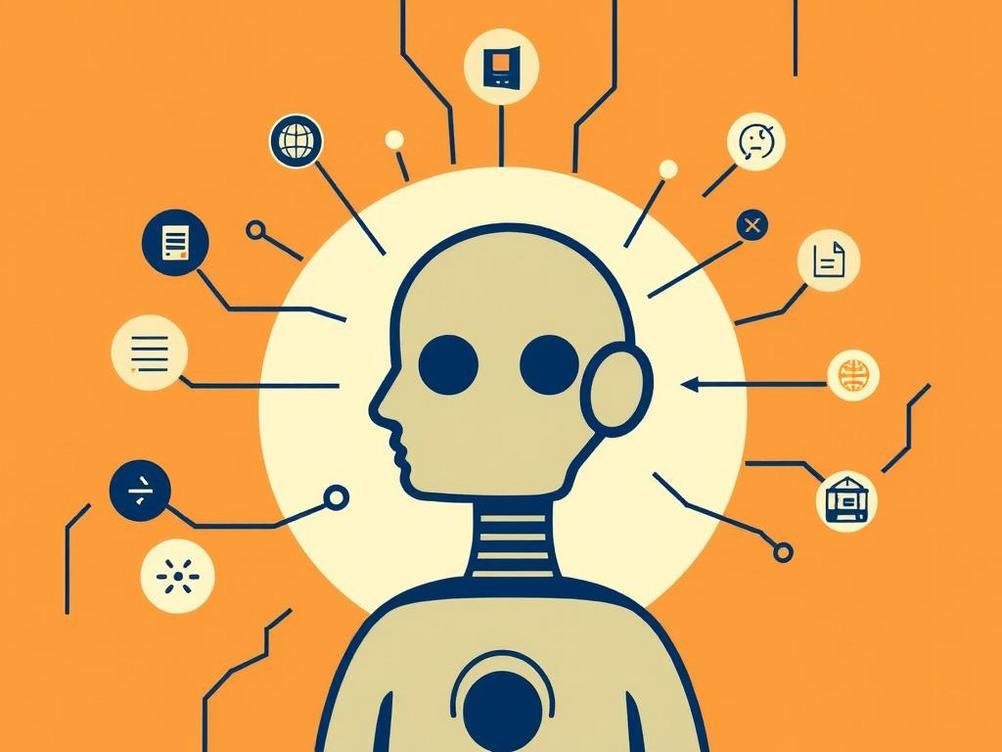
Why Old-School Mental Health Apps Can’t Ignore the AI Chatbot Revolution
Imagine this: You’re dealing with a tough day, your mind’s a whirlwind of worries, and you pull out an app that’s supposed to help you chill out and talk things through. But instead of feeling heard, it’s like chatting with a robot from the Stone Age—one that gives you the same canned advice every time. That’s the reality for a lot of folks using first-gen mental health apps these days. Now, enter the scene of next-gen AI chatbots, these smarty-pants digital buddies that actually learn from you, adapt to your mood, and offer advice that feels, well, almost human. It’s 2025, and we’re not just talking tech upgrades; we’re talking a total game-changer for mental health support. Why should those old-school apps care? Because if they don’t hop on this train, they’re going to get left in the dust, watching users flock to something more personalized and effective. Think about it— we’ve all been there, scrolling through apps that promise the world but deliver meh results. This isn’t just about keeping up; it’s about making sure mental health tools evolve to meet real people’s needs in a world that’s moving faster than ever. From my own dives into the tech world, I’ve seen how AI is flipping the script on everything from therapy to daily coping strategies, and it’s exciting, scary, and necessary all at once. So, let’s unpack why ignoring these AI wonders could be a massive mistake for the mental health app scene.
The Good Old Days of First-Gen Mental Health Apps
First off, let’s give credit where it’s due—these pioneer apps were like the unsung heroes of the early 2010s. They popped up when mental health was still a bit of a taboo topic, offering anonymous chats, mood trackers, and basic coping exercises that helped a ton of people get started on their wellness journey. Remember how revolutionary it felt to have something in your pocket that could guide you through a panic attack or suggest breathing techniques? It’s like comparing a flip phone to a smartphone; those early apps got the ball rolling, but man, they’ve got their limits now.
For instance, take apps like the original versions of Calm or Headspace—they’re great for quick meditations but often stick to one-size-fits-all approaches. You input your feelings, and out comes a generic response that might not hit the mark if you’re dealing with something super specific, like work stress versus relationship drama. It’s like asking a friend for advice and getting the same stock phrase every time. And don’t even get me started on data privacy; some of these apps collect info like it’s going out of style, without the fancy encryption that makes you feel secure. In a world where we’re all paranoid about our data, that’s a big oops. Still, they’ve built a loyal fanbase, which is why they can’t afford to ignore what’s coming next.
- They provided accessible entry points for mental health support, especially for those without access to therapists.
- Many included features like daily journals or progress trackers that helped users build habits.
- But let’s face it, they lack the depth to handle complex emotions or personalize interactions beyond basic algorithms.
What Makes Next-Gen AI Chatbots a Big Deal?
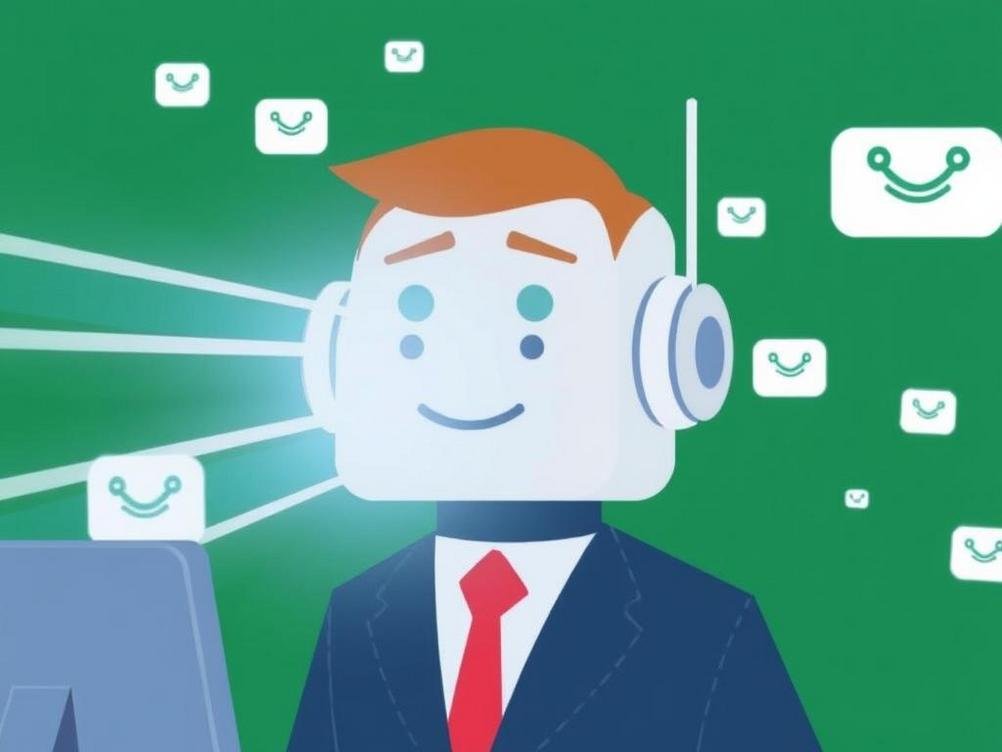
Okay, so what’s all the fuss about these AI chatbots? Well, they’re like the cool kids on the block, armed with machine learning that actually evolves with you. Unlike their predecessors, these bots—think of tools like Woebot or even more advanced ones from companies like Replika—can analyze your language patterns, remember your past chats, and suggest tailored strategies that feel spot-on. It’s not just about responding; it’s about predicting what you might need next, almost like having a digital therapist who’s always on call.
From what I’ve read and tested, these AI systems use natural language processing to pick up on nuances in your tone and context. For example, if you’re venting about a bad day at work, it might not just say “Take a deep breath”—it could recommend a specific exercise based on your history. That’s a far cry from the static scripts of old apps. And humor me here: It’s like upgrading from a basic calculator to one that does your taxes for you. But with great power comes great responsibility, right? These chatbots are getting smarter by the day, thanks to vast datasets from real user interactions, making them a must-watch for anyone in the mental health space.
- They offer 24/7 availability, which is a lifesaver for people in different time zones or irregular schedules.
- Advanced ones can integrate with wearables, like pulling data from your smartwatch to track stress levels in real-time.
- Plus, they’re often more affordable, scaling up without the need for human therapists, though they’re not a replacement—just a helpful sidekick.
The Downsides of Sticking with the Basics
Look, I’m not here to bash first-gen apps—they served a purpose, but ignoring the AI wave means they’re playing catch-up in a race that’s already heating up. One major flaw? They’re not adaptive. If you use the same app for months, it might feel repetitive, like eating the same meal every day when you crave variety. In mental health, that can lead to user burnout, where people ditch the app altogether because it doesn’t grow with them. We’ve got studies showing that engagement drops off after a few weeks with static tools, and that’s a red flag in an industry where consistency is key.
Take a real-world example: During the pandemic, apps like BetterHelp saw a surge, but many users complained about the lack of personalization. Fast-forward to today, and AI chatbots are stepping in with features that address this, like sentiment analysis that detects if you’re spiraling and escalates to professional help. It’s a metaphor for life— you wouldn’t wear the same outfit every day, so why use mental health tools that don’t evolve? If first-gen apps don’t innovate, they’re risking not just relevance but also user trust in an era where options are plentiful.
- Static content leads to lower retention rates, as per reports from Pew Research.
- They often overlook cultural nuances, making them less effective for diverse users.
- Without AI’s learning capabilities, they can’t provide the proactive support that’s become the norm.
How AI Chatbots Are Shaking Up Mental Health Support
Let’s dive into the fun part: how these AI chatbots are turning the tables. They’re not just chatty; they’re insightful, pulling from massive datasets to offer evidence-based advice that’s as current as today’s news. For instance, if you’re anxious about global events, an AI could reference recent studies on coping with uncertainty and tailor it to your situation. It’s like having a friend who’s read every psychology book and knows exactly what you need—without the judgment.
I remember trying out an AI chatbot last year; it picked up on my sarcasm and responded in kind, which made the session feel less clinical and more like a real convo. That’s the magic—building rapport through personality. Companies like OpenAI are pushing boundaries with models that simulate empathy, and it’s forcing traditional apps to rethink their strategies. If you’re in the mental health app biz, ignoring this is like ignoring the internet in the ’90s—sure, you might survive, but you’ll miss out on the boom.
- AI can analyze trends in user data to predict mental health risks, potentially saving lives.
- They incorporate gamification, making therapy feel less like a chore and more like a game—think rewards for completing exercises.
- Early adopters report higher satisfaction, as highlighted in a 2024 study by the American Psychological Association.
The Ethical Tightrope: Risks and How to Handle Them
Alright, let’s not gloss over the elephant in the room—these AI chatbots aren’t perfect. There’s a real risk of misinformation if they’re not trained right, or worse, they could make users feel isolated by replacing human interaction. It’s like relying on a GPS that sometimes leads you off the road; helpful, but you need backups. First-gen apps might lack the flash, but they often have stricter oversight, which is a point in their favor. The key is for them to integrate AI without ditching those human elements entirely.
From regulations to user feedback, we’ve seen pushes for ethical AI in mental health, with guidelines from organizations like the World Health Organization emphasizing transparency. Imagine an app that combines AI’s smarts with human oversight— that’s the sweet spot. If first-gen apps play their cards right, they could evolve into hybrids that address these risks, rather than getting steamrolled. It’s all about balance, folks; tech should enhance, not replace, the human touch.
- Potential for bias in AI algorithms, as noted in a 2025 report from WHO.
- Ensuring data privacy through encrypted systems.
- Training AI with diverse datasets to avoid cultural blind spots.
Looking Ahead: The Future of Mental Health Tech
As we wrap up this chat, it’s clear that the future is bright for mental health tech, but only if everyone’s on board. First-gen apps have a golden opportunity to collaborate with AI developers, creating ecosystems that blend the best of both worlds. We’re talking seamless integrations where your old faithful app gets an AI upgrade, making it more intuitive and effective. In 2025, with AI advancing at warp speed, it’s not about survival; it’s about thriving together.
Just picture it: A world where mental health support is as personalized as your favorite playlist. That’s the potential, and it’s within reach if we don’t let egos or outdated tech hold us back. From startups to big players, the innovation wave is here, and it’s exciting to think about what’s next.
Conclusion
In the end, first-gen mental health apps can’t afford to turn a blind eye to next-gen AI chatbots—it’s like trying to win a race with last decade’s sneakers. We’ve explored how these AI tools bring personalization, adaptability, and real-time support that could transform lives, while acknowledging the risks and the need for ethical integration. The takeaway? Embrace the change, mix in some human wisdom, and keep pushing for better mental health solutions. Who knows, maybe in a few years, we’ll all be wondering how we ever got by without them. Let’s keep the conversation going and make mental health tech work for everyone—your mind will thank you.