dailytech.ai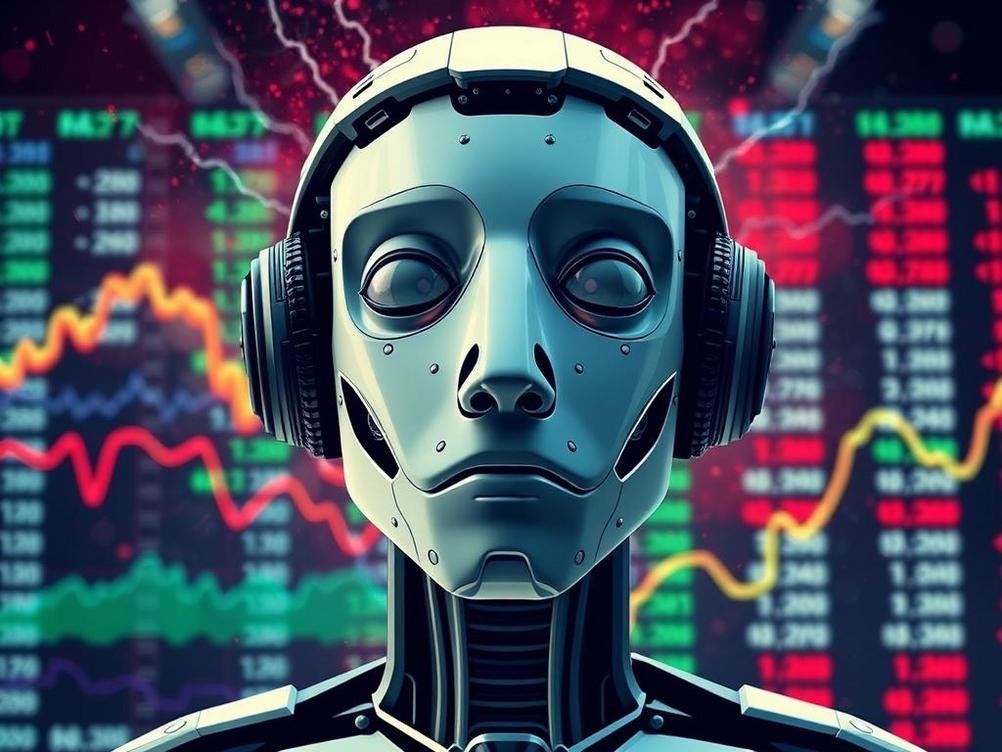
Why Stocks Just Took a Nose Dive: Decoding the AI Panic and What It Means for Your Wallet
Have you ever woken up to a market meltdown and thought, “What on earth happened overnight?” Well, that’s exactly how a lot of folks felt when stocks closed sharply lower, thanks to this weird cocktail of AI anxiety making its grand return. Picture this: It’s 2025, and we’re all buzzing about how AI is supposedly going to fix everything from your daily commute to predicting the next big stock surge. But suddenly, it’s like someone hit the panic button. Investors are selling off shares like they’re hot potatoes, worrying that AI’s rapid growth could lead to job losses, economic shake-ups, and even some wild ethical dilemmas. It’s not just about the tech giants anymore; this wave is rippling through everything from Wall Street to your neighborhood coffee shop. As someone who’s been following these trends for years, I can’t help but chuckle at how AI, which we hailed as the hero of innovation, has turned into the villain du jour. In this article, we’re diving deep into what sparked this latest downturn, why AI fears are more than just hype, and how you can navigate this chaos without losing your shirt. We’ll explore real examples, sprinkle in some humor to keep things light, and maybe even uncover a few silver linings that could turn this into an opportunity. After all, if there’s one thing history teaches us, it’s that markets are like rollercoasters—scary at first, but often rewarding if you hang on tight. So, grab a cup of coffee, settle in, and let’s unpack this mess together. By the end, you’ll have a clearer picture of whether this is just another blip or a sign of bigger things to come in our AI-dominated world.
What Sparked the Latest Market Meltdown?
You know, it’s funny how one little headline can send the entire stock market into a tailspin. In this case, it all boils down to a flurry of reports about AI advancements that had investors second-guessing their portfolios. We’re talking about things like massive layoffs in tech companies due to AI automation, or even regulatory rumblings from governments worried about AI’s unchecked power. Remember back in 2023 when ChatGPT first blew up and everyone was obsessed? Fast forward to late 2025, and it’s like the shine has worn off—people are now freaking out about job security and economic stability. According to recent data from financial analysts at Bloomberg (you can check it out here), the S&P 500 dropped over 2% in a single session, largely pinned on AI-related fears. It’s not just one sector; everything from big tech stocks like Nvidia and Google to broader indices took a hit.
Let me break this down with a quick analogy: Imagine you’re at a party, and someone starts spreading rumors that the punch is spiked. Suddenly, everyone’s rushing for the door, even if it’s not true. That’s the stock market for you—irrational at times, but driven by collective fear. Factors like earnings reports from AI-heavy companies showing slower growth than expected added fuel to the fire. For instance, if a company like OpenAI announces they’re pivoting away from consumer apps due to regulatory hurdles, it sends shockwaves. And don’t forget the global angle; with AI developments in China and the EU, international tensions are ramping up, making investors jittery about trade wars or data privacy issues. It’s a perfect storm, really, and it’s reminding us that while AI promises progress, it can also stir up some serious uncertainty.
- Key triggers: Poor earnings from tech firms, regulatory announcements, and media hype around AI risks.
- Historical parallels: Think back to the dot-com bust in the early 2000s—overhyped tech led to a crash, and we’re seeing echoes of that today.
- Immediate impacts: Stocks in AI-related sectors plummeted, with some dropping as much as 5-10% in a day.
Is AI Anxiety All Hype or a Legit Threat?
Alright, let’s get real—is this AI panic just people overreacting, or is there actual meat to the bone? I’ve got to say, it’s a bit of both. On one hand, AI has been this magical buzzword for years, promising to revolutionize everything from healthcare to finance. But lately, it’s like everyone’s waking up to the downsides, like how AI could wipe out millions of jobs. I mean, studies from the McKinsey Global Institute (check their site for more) estimate that up to 400 million jobs worldwide could be automated by 2030. That’s not just scary; it’s a wake-up call for workers everywhere. So, when stocks dive because of ‘AI anxiety,’ it’s not entirely unfounded—investors are betting that this tech could disrupt economies faster than we can adapt.
But here’s where it gets humorous: Remember how we all joked about robots taking over the world in sci-fi movies? Well, now it’s seeping into real life, and suddenly it’s not so funny. Take self-driving cars, for example—they’re cool until you realize they might put truck drivers out of work. The anxiety isn’t just about jobs; it’s about inequality, too. If AI boosts productivity for the rich while leaving the rest behind, that’s a recipe for social unrest. Yet, I’m optimistic—humans have always adapted to change, whether it was the industrial revolution or the internet boom. So, while the hype might be amplified by 24/7 news cycles, there’s enough evidence to suggest we should pay attention.
In my view, it’s like that friend who always cries wolf—sometimes it’s real, sometimes not, but you’d be foolish not to check. The key is balancing excitement about AI’s potential with a healthy dose of skepticism.
How AI is Shaking Up Industries Left and Right
If you’ve been keeping an eye on the news, you’ll see AI isn’t just messing with stocks—it’s flipping entire industries on their heads. Take healthcare, for instance; AI tools are diagnosing diseases faster than doctors, which is great, but it’s also making some medical pros nervous about their roles. Or consider retail: Amazon’s AI-driven warehouses are churning out orders at warp speed, but at what cost to human workers? It’s like AI is this double-edged sword—sharpening efficiency while dulling employment prospects. In finance, algorithms are trading stocks autonomously, which might explain why markets are so volatile these days. A report from the World Economic Forum (visit here) predicts that by 2025, AI could contribute over $15.7 trillion to the global economy, but that’s only if we handle the disruptions smartly.
Let me throw in a metaphor: AI is like that new neighbor who mows your lawn for free but might steal your job. In entertainment, AI is generating scripts and music, potentially sidelining creators, while in education, it’s personalizing learning but raising questions about cheating. Real-world example? Look at how companies like Duolingo use AI for language apps—it’s revolutionized learning, but traditional tutors are feeling the squeeze. The point is, AI’s influence is everywhere, and when investors see these shifts, they panic, leading to days like the one we’re discussing.
- Healthcare: AI in diagnostics could save lives but displace radiologists.
- Retail and logistics: Automation is efficient, yet it’s cutting jobs in warehouses.
- Finance: Algo-trading speeds things up, but increases market instability.
Smart Investment Moves in This AI-Crazed World
So, you’re probably thinking, “Great, stocks are dropping—what should I do with my money?” First off, don’t freak out; markets have ups and downs, and this AI anxiety might just be a blip. But if you want to play it smart, diversify your portfolio away from pure AI stocks. For example, instead of dumping all your cash into Nvidia, consider balanced funds that mix in sustainable energy or healthcare—sectors that could benefit from AI without being solely dependent on it. I’ve learned from experience that timing the market is like trying to catch a falling knife; it’s risky and often ends badly. Sites like Investopedia (head over to this link) offer solid advice on building resilient portfolios.
Here’s a tip: Think about long-term plays, like investing in AI ethics companies or those developing regulations. It’s like hedging your bets at a casino—you want to cover all angles. Plus, with AI anxiety comes bargains; stocks that plummeted might bounce back once the dust settles. Remember the crypto crash a few years back? Early birds who bought the dip made a killing. So, stay informed, maybe join some online forums for investor chats, and don’t let fear drive your decisions.
- Assess your risk tolerance before making moves.
- Look for undervalued stocks in non-AI sectors.
- Consider AI-focused ETFs for exposure without going all-in.
The Bright Side: Opportunities Hiding in the Chaos
Amid all this doom and gloom, let’s not forget that every crisis has a flip side. AI anxiety might be tanking stocks now, but it’s also sparking innovation and investment in areas we wouldn’t have thought of otherwise. For instance, the pushback against AI could lead to better regulations, creating new jobs in compliance and ethics. Companies are already adapting; think about how firms like IBM are pivoting to AI safety, which could be a goldmine for investors. It’s almost like nature’s way—destruction followed by rebirth. According to a Gartner report (available at Gartner’s site), AI could create 2.3 million new jobs by 2025 in fields like data analysis and AI development.
I like to say, if life’s a game, AI is just leveling up the playing field. Entrepreneurs are jumping on board with AI startups focused on human-AI collaboration, and that’s exciting. So, while the market’s dipping, keep an eye out for those hidden gems—they might just turn your portfolio around.
Real-World Stories and What We Can Learn From Them
Let’s ground this in some real stories to make it hit home. Take the case of Waymo, Alphabet’s self-driving arm; their tech is advancing, but recent accidents have fueled AI fears, leading to dips in Google’s stock. Or look at how artists are suing AI companies for using their work without credit—it’s a mess that’s affecting creative industries and investor confidence. These examples show that AI isn’t some abstract concept; it’s impacting real people and businesses right now.
What can we learn? Well, for one, the importance of ethical AI development. It’s like building a house—if the foundation’s shaky, the whole thing crumbles. By studying these cases, investors can spot trends and avoid pitfalls, turning anxiety into informed decisions.
Looking Ahead: What’s Next for AI and the Market?
As we wrap up, it’s worth pondering where all this is headed. With AI evolving at breakneck speed, predictions are tricky, but experts from sources like Forbes (see here) suggest that by 2030, AI could drive 10% of global GDP. Still, if we don’t address the anxiety, we might see more volatile markets ahead.
The key is staying adaptable. Whether it’s through education or diversification, you can turn this into a win. After all, every downturn has led to comebacks—just ask anyone who weathered the 2008 crash.
Conclusion
In the end, the sharp drop in stocks due to AI anxiety is a reminder that progress comes with its share of potholes. We’ve explored the triggers, the real threats, and even some opportunities, and I hope this has given you a fresh perspective. Remember, markets are cyclical, and AI, for all its scares, is shaping a brighter future. So, stay curious, keep learning, and who knows—you might just come out ahead in this wild ride. Let’s turn that anxiety into action and build a smarter tomorrow together.