 dailytech.ai
Will Quantum Computing Outshine AI? Let’s Dive into the Future of Tech
Okay, picture this: you’re scrolling through your feed, and bam—another headline screaming about how AI is changing everything from your morning coffee routine to global economies. But hold up, what’s this whispers about quantum computing sneaking up from the shadows? Is it poised to steal the spotlight from AI, or is it just another tech buzzword destined to fizzle out? I’ve been geeking out over this stuff for a while, and honestly, it’s like comparing apples to quantum oranges. AI has been our trusty sidekick, powering everything from chatbots that argue with you to algorithms that know your shopping habits better than your spouse. But quantum? It’s that wild card promising to crack problems we’ve deemed impossible. In this post, we’re gonna unpack whether quantum could actually become bigger than AI. We’ll look at the tech behind it, the hype, the hurdles, and yeah, maybe throw in a few laughs along the way because, let’s face it, quantum mechanics sounds like something from a sci-fi flick. By the end, you might just rethink where the real tech revolution is heading. Stick around—it’s gonna be a fun ride through bits, qubits, and everything in between. (Word count check: about 180 words here, but we’re just getting started!)
What Even Is Quantum Computing, Anyway?
Alright, let’s break this down without making your brain hurt too much. Traditional computers, the ones running your AI apps right now, use bits that are either 0 or 1. Simple, right? Quantum computing flips the script with qubits, which can be 0, 1, or both at the same time thanks to this funky thing called superposition. It’s like your computer is juggling multiple realities. Then there’s entanglement, where qubits link up so what happens to one instantly affects another, no matter the distance. Spooky, as Einstein called it.
Now, why does this matter? Because quantum machines can solve super complex problems way faster than classical computers. Think optimizing traffic in a mega-city or simulating molecular interactions for new drugs. AI is great at pattern recognition and learning from data, but it chugs along on regular hardware. Quantum could supercharge that, making AI even smarter. But is it bigger? Well, companies like IBM and Google are pouring billions into it—Google’s Sycamore chip made headlines in 2019 for achieving “quantum supremacy,” doing a task in 200 seconds that would take a supercomputer 10,000 years. Mind-blowing, huh?
Of course, it’s not all rainbows. Quantum computers are finicky beasts, needing near-absolute zero temps to work, and errors creep in like uninvited guests at a party. Still, the potential is huge, and it’s got folks wondering if this is the next iPhone-level disruption.
AI’s Rise to Fame: A Quick Recap
Before we pit quantum against AI, let’s give AI its due. Artificial intelligence has exploded in the last decade, thanks to machine learning and neural networks. From Siri helping you set reminders to Netflix recommending your next binge-watch, AI is everywhere. It’s transformed industries: healthcare with predictive diagnostics, finance with fraud detection, and even art with tools like DALL-E generating images from text prompts.
Stats-wise, the AI market is projected to hit $407 billion by 2027, according to some reports from Fortune Business Insights. That’s no small potatoes. And it’s not just hype—AI is solving real problems, like climate modeling or personalized education. But here’s the rub: AI relies on massive data and computing power, which is where things get bottlenecked. Enter quantum, which could provide that exponential leap in processing.
I’ve seen friends in tech rave about how AI changed their workflows, but they’re starting to eye quantum as the upgrade. It’s like AI is the reliable sedan, and quantum is the sports car waiting in the garage—flashy, but does it handle the daily drive?
The Hype Train: Quantum vs. AI Popularity Contest
If we’re talking “bigger” in terms of buzz, AI is winning hands down right now. Everyone’s talking about ChatGPT and its ilk, with memes flooding social media. Quantum? It’s more niche, like that indie band only your hipster friend knows about. But give it time—experts predict quantum tech could add $1.3 trillion to the global economy by 2035, per McKinsey. That’s bigger than AI’s current projections in some sectors.
Search trends tell a story too. Google Trends shows AI searches skyrocketing since 2022, while quantum is steadily climbing but not exploding yet. Why? AI is accessible—you can play with it on your phone. Quantum requires labs and PhDs. But as hardware improves, that could change. Imagine quantum apps on your device, optimizing your fantasy football lineup in seconds.
Humor me for a sec: If AI is the overachieving kid in class, quantum is the mysterious transfer student who’s brilliant but skips school a lot due to “technical issues.” Who ends up valedictorian? Time will tell.
Potential Impacts: Where Quantum Could Eclipse AI
Let’s get into the meaty stuff. Quantum computing shines in areas where AI struggles, like cryptography. It could break current encryption methods, forcing a rethink of cybersecurity. That’s huge—think protecting bank accounts or national secrets. AI enhances security through pattern detection, but quantum could render it obsolete or, conversely, create unbreakable codes with quantum key distribution.
In drug discovery, quantum simulations could model molecules at an atomic level, speeding up cures for diseases like Alzheimer’s. AI is already helping, but it’s like using a map versus teleporting there. A real-world example? In 2020, researchers used quantum methods to simulate caffeine molecules, a step toward bigger breakthroughs.
Don’t forget climate change. Quantum could optimize renewable energy grids or simulate weather patterns with insane accuracy. AI does this too, but quantum’s speed could make models run in hours instead of weeks. If quantum delivers, it might just save the planet faster than AI alone.
Challenges and Roadblocks: Why Quantum Might Not ‘Win’
Hold your horses—quantum isn’t without its demons. The biggest hurdle is error correction. Qubits are unstable, decohering faster than you can say “Schrödinger’s cat.” Building a fault-tolerant quantum computer is like herding cats on ice—tricky and frustrating.
Cost is another beast. These machines are expensive to build and maintain. IBM’s quantum systems are cloud-based for a reason—not everyone can afford a fridge colder than outer space in their basement. AI, on the other hand, runs on standard GPUs, making it more democratized.
Plus, there’s the talent gap. We need more quantum experts, and training them takes time. AI has a head start with bootcamps and online courses everywhere. If quantum stumbles on these, AI might keep its crown for decades.
Synergy Over Rivalry: Could They Team Up?
Here’s a plot twist: maybe it’s not about one being bigger, but how they play together. Quantum machine learning is an emerging field where quantum computers enhance AI algorithms. Imagine AI that learns from quantum data sets, solving optimization problems in logistics or finance overnight.
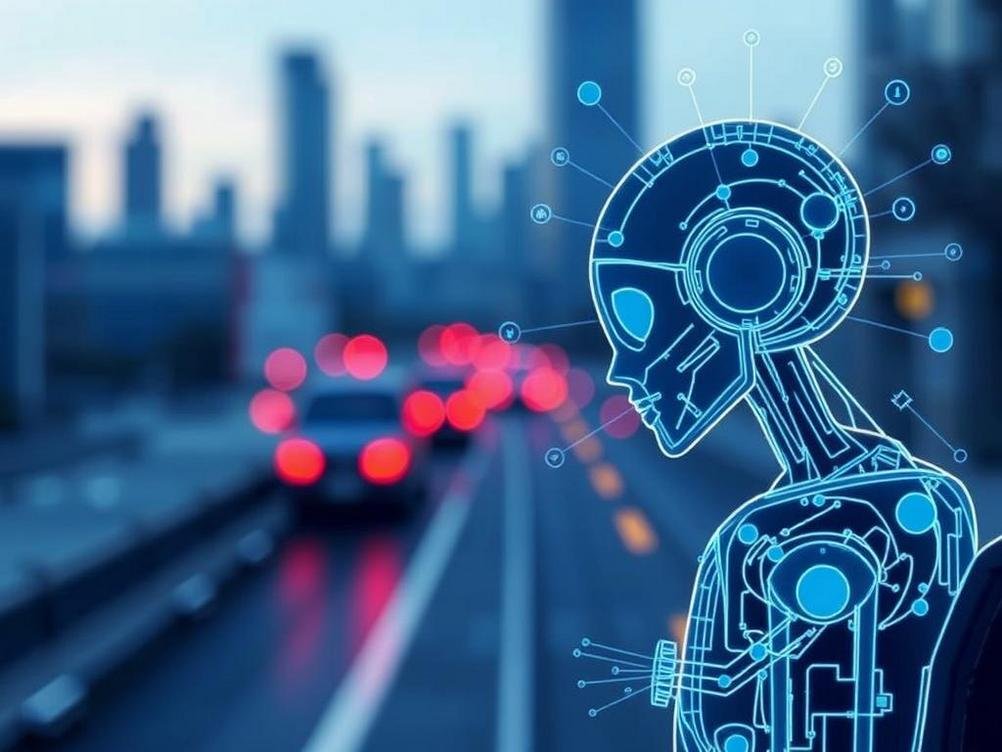
Companies like Xanadu and Rigetti are already blending the two. For instance, quantum neural networks could process vast datasets more efficiently. It’s like giving AI a turbo boost—suddenly, self-driving cars plan routes accounting for quantum-level probabilities.
From a personal angle, as someone who’s tinkered with both, I see them as Batman and Robin. AI handles the detective work, quantum the high-tech gadgets. Together, they could revolutionize everything from personalized medicine to space exploration.
Conclusion
Whew, we’ve covered a lot of ground here, from the basics of qubits to wild speculations about saving the world. So, will quantum be bigger than AI? In sheer impact, it might just edge out if it overcomes its teething problems—think trillion-dollar markets and game-changing innovations. But AI isn’t going anywhere; it’s the foundation quantum could build upon. The real winner? Us, the users, as these techs evolve and intertwine. If you’re into this stuff, keep an eye on announcements from giants like Google or startups pushing boundaries. Who knows, maybe in a few years, we’ll look back and laugh at how we ever doubted quantum’s rise. What’s your take? Drop a comment below—I’d love to hear if you’re team AI, team quantum, or team “let’s just see what happens.” Until next time, stay curious!







Leave a Reply