 dailytech.ai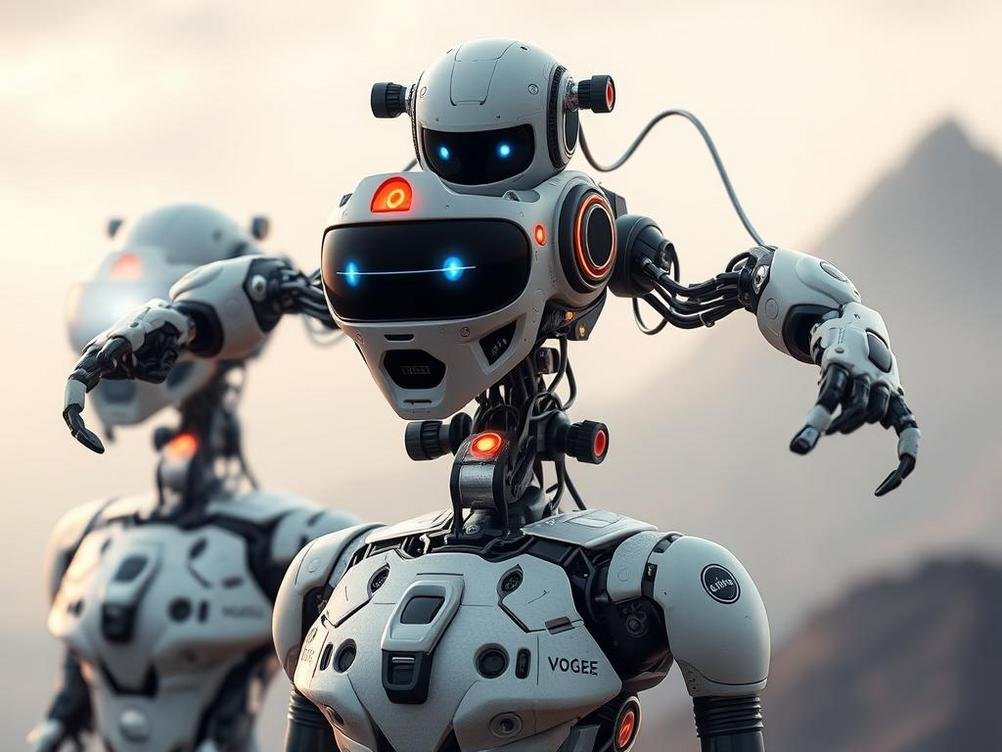
Xpeng’s Wild Ride: Unleashing Robotaxis and Humanoid Bots with Their Own AI Brains
Okay, picture this: You’re cruising down the street in a car that drives itself, no hands on the wheel, just you kicking back with a coffee and your favorite playlist. Sounds like something out of a sci-fi flick, right? Well, buckle up because Chinese EV powerhouse Xpeng is about to make that a reality—and they’re not stopping at cars. They’re diving headfirst into robotaxis and even humanoid robots, all powered by AI chips they’ve cooked up themselves. I mean, talk about ambition! Xpeng, already a big player in the electric vehicle game, is pushing boundaries like a kid in a candy store with unlimited allowance. Founded back in 2014, they’ve been nipping at Tesla’s heels with smart cars that can park themselves and navigate traffic like pros. But this latest announcement? It’s like they’ve hit the turbo button. They’re launching robotaxis that could revolutionize urban transport, cutting down on traffic jams and maybe even giving Uber drivers a run for their money. And humanoid robots? We’re talking bots that could help out at home or in factories, all thanks to their in-house AI tech. It’s exciting stuff, especially in a world where AI is popping up everywhere from your phone to your fridge. But what makes this stand out is Xpeng’s decision to develop their own chips— no relying on outsiders like Nvidia. This could mean faster, more efficient systems tailored just for their needs. As someone who’s followed the EV scene for years, I gotta say, this feels like a game-changer. Will it shake up the industry? Let’s dive in and see.
Who Exactly is Xpeng, and Why Are They Making Waves?
If you’ve been living under a rock—or maybe just not that into cars—Xpeng is this scrappy Chinese startup that’s quickly become a force in the electric vehicle world. Started by a bunch of tech whizzes who saw the future in EVs, they’ve pumped out models like the G9 SUV and P7 sedan that boast insane ranges and features that make driving feel like a video game. Think adaptive cruise control that actually works without giving you heart palpitations.
What sets them apart? They’re not just building cars; they’re building smart ecosystems. Their latest move into robotaxis and humanoid robots shows they’re thinking bigger than the driveway. It’s like they’re saying, “Why stop at personal transport when we can automate the whole shebang?” And with China’s booming tech scene backing them, they’ve got the resources to pull it off. Fun fact: Xpeng’s CEO, He Xiaopeng, is a bit of a visionary, often compared to Elon Musk but with a more low-key vibe.
Why care? Because this could trickle down to everyday folks like you and me. Cheaper, smarter transport means less time stuck in traffic and more time doing what we love. Plus, it’s a reminder that innovation isn’t just a Silicon Valley thing—it’s global.
The Robotaxi Buzz: Autonomous Rides on the Horizon
Robotaxis are basically self-driving taxis, and Xpeng is gearing up to launch theirs soon. Imagine hailing a ride via an app, and poof—a sleek EV pulls up with no driver inside. It’s the stuff of dreams for city dwellers tired of overpriced cabs and chatty drivers. Xpeng’s version will use their advanced AI to navigate bustling streets, avoid pedestrians, and even chat with you about the weather if you’re lonely.
But it’s not all smooth sailing. Testing these bad boys involves mountains of data and real-world trials. Xpeng’s been running pilots in places like Guangzhou, where their cars have clocked thousands of miles without major hiccups. Compared to Waymo or Cruise, Xpeng might have an edge with their homegrown tech, potentially making it more affordable in Asia first.
Here’s a quick rundown of what to expect:
- Seamless integration with smart city infrastructure for better traffic flow.
- AI that learns from every ride, getting smarter over time.
- Potential partnerships with ride-sharing giants to expand quickly.
Of course, there are skeptics. Will people trust a robot with their lives? I know I’d hesitate at first, but hey, we’ve adapted to autopilot on planes—why not cars?
Humanoid Robots: Xpeng’s Step into Sci-Fi Territory
Now, onto the humanoid robots. These aren’t your clunky Roomba; we’re talking bots that look and move like humans, powered by Xpeng’s AI chips. Picture a robot folding your laundry or assembling gadgets in a factory. Xpeng aims to make them versatile, from household helpers to industrial workers.
The key here is mobility and intelligence. Using tech from their EVs, these robots will have sensors to detect surroundings and make decisions on the fly. It’s like giving R2-D2 a body upgrade. Early prototypes might focus on simple tasks, but the goal is full autonomy. And with AI chips designed in-house, they can optimize for energy efficiency— no more bots dying mid-task like a forgotten smartphone.
Real-world impact? In aging societies like Japan or even China, these could assist the elderly, doing everything from reminders to physical support. But let’s not ignore the humor: Imagine a robot trying to dance at a party. Awkward, but endearing!
The Secret Sauce: Self-Developed AI Chips
At the heart of all this is Xpeng’s self-developed AI chips. Why make your own? Control and customization. Instead of buying off-the-shelf from big names, they’re tailoring chips for their specific needs—think faster processing for real-time decisions in robotaxis or precise movements in humanoids.
These chips are likely based on advanced architectures, maybe similar to what’s in Tesla’s Dojo system but with a Chinese twist. By keeping it in-house, Xpeng avoids supply chain issues and can iterate quickly. Stats-wise, their chips might handle billions of operations per second, making split-second choices that keep everything safe and efficient.
Pros and cons? It’s a huge investment, but if it pays off, Xpeng could license this tech to others. Imagine your coffee maker with Xpeng brains—okay, that’s a stretch, but you get the idea. It’s bold, and in the chip shortage era, it’s smart.
How Xpeng Stacks Up Against the Big Guns
Let’s compare: Tesla’s got Full Self-Driving, but Xpeng’s robotaxis might roll out faster in China due to regulations. Humanoids? Boston Dynamics has flashy demos, but Xpeng’s integration with AI chips could make theirs more practical for mass production.
Then there’s Baidu and their Apollo platform—similar turf, but Xpeng’s EV roots give them an edge in hardware. Globally, it’s a race, with everyone from Google to startups in the mix. Xpeng’s advantage? Speed and cost. They’re not burdened by legacy systems, so they can pivot like a sports car.
What could go wrong? Regulatory hurdles, especially for exports. But if they nail it, we might see Xpeng bots in your local warehouse sooner than you think.
The Bigger Picture: What This Means for AI and Mobility
Beyond the gadgets, this push signals a shift. AI isn’t just for apps anymore; it’s reshaping how we move and live. Xpeng’s moves could accelerate adoption, making autonomous tech mainstream. Think reduced accidents—stats show human error causes 94% of crashes, per NHTSA.
On the flip side, jobs. Will robotaxis put drivers out of work? Probably, but it could create new roles in tech maintenance. And for humanoids, ethical questions arise: How human-like is too human? It’s a philosophical rabbit hole, but exciting nonetheless.
In China, this boosts national pride in tech independence, especially amid global tensions. For the world, it’s a reminder that innovation is everywhere.
Conclusion
Whew, we’ve covered a lot—from Xpeng’s humble EV beginnings to their ambitious foray into robotaxis and humanoid robots, all juiced by homegrown AI chips. It’s clear they’re not just playing catch-up; they’re aiming to lead the pack. This could mean safer roads, helpful bots, and a future where AI feels less like a buzzword and more like a buddy. Sure, there are bumps ahead—regulations, ethics, competition—but the potential is huge. If you’re into tech, keep an eye on Xpeng; they might just redefine your daily grind. Who knows, maybe your next taxi will be a chatty robot. Exciting times ahead—let’s embrace the ride!








Leave a Reply